




Smart Residential Interior Architecture Ideas for Home
In today’s rapidly evolving world of home design, the concept of residential interior architecture design has become a central pillar of creating functional, aesthetic, and emotionally engaging living spaces. Homeowners are no longer satisfied with standard layouts or generic finishes; instead, they are turning to more thoughtful and strategic approaches rooted in residential interior architecture design. This shift highlights a growing desire for personalized spaces that enhance daily comfort, improve mental well-being, and support an efficient lifestyle. By understanding the principles of residential interior architecture design, households can create environments that respond intuitively to their habits, preferences, and long-term needs.
Modern homeowners increasingly recognize that residential interior architecture design is far more than choosing décor or arranging furniture. It encompasses spatial flow, lighting strategy, functional zoning, and the seamless integration of architectural and interior elements. As families grow, habits change, and technology evolves, the role of residential interior architecture design becomes even more essential in shaping homes that remain adaptable and timeless. Whether it involves converting underutilized areas, maximizing natural light, or rethinking interior circulation, the right residential interior architecture design approach ensures long-lasting value and satisfaction.
Transform Your Space with BUILPIRE – Book Your Consultation Today!
One of the most appealing aspects of residential interior architecture design today is its ability to merge creativity with purpose. Homeowners are embracing multifunctional layouts, smart technologies, eco-friendly materials, and minimal structural interventions that make spaces both beautiful and practical. This trend reflects how residential interior architecture design continues to bridge the gap between style and utility. Every decision — from selecting materials and finishes to defining room proportions — contributes to a cohesive environment that supports sustainable living and enhances everyday experiences.
As the demand for well-organized, efficient homes increases, professionals who specialize in residential interior architecture design are focusing on solutions that maximize space while maintaining harmony between function and flow. This meticulous attention to detail leads to homes that reflect the personality and lifestyle of their occupants. In a world where nearly every room must serve multiple purposes, the importance of residential interior architecture design cannot be overstated. Whether designing small apartments or expansive villas, the principles embedded within residential interior architecture design act as a roadmap for creating spaces that feel balanced, inviting, and intuitively aligned with modern living.
1. Maximizing Natural Lighting and Spatial Flow
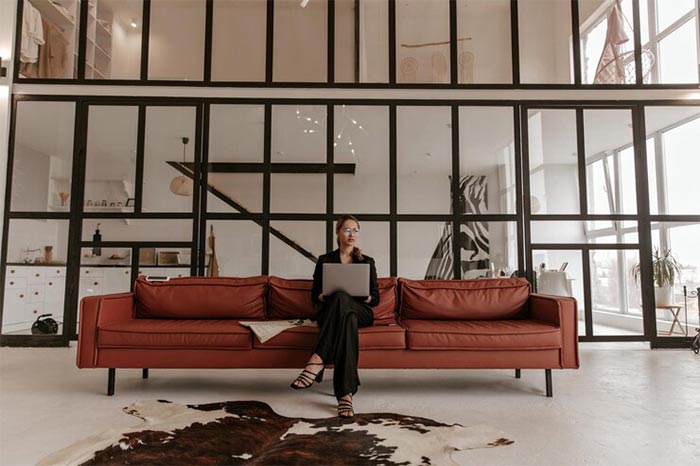
One of the most important concepts in smart home design is optimizing natural light. Architectural choices such as larger windows, skylights, interior glass partitions, and open-plan layouts significantly increase visual comfort and energy efficiency. Homes that embrace daylight feel more spacious, healthier, and more welcoming. Strategic placement of reflective materials, soft neutral colors, and mirrors can further amplify natural light.
Spatial flow plays an equally crucial role. Eliminating unnecessary partitions and ensuring a seamless visual connection between living areas create a calm and continuous movement across the home. Designers often incorporate subtle zoning techniques — such as ceiling height variations, rug placements, or partial dividers — to maintain openness without sacrificing functional separation.
2. Multifunctional Spaces for Modern Living
Smart residential interiors prioritize versatility. With remote work, hybrid lifestyles, and compact urban housing becoming more common, multifunctional areas are essential. A single space may serve as an office, reading corner, entertainment area, or guest room. Built-in cabinetry, foldable desks, sliding walls, and modular seating arrangements allow homeowners to adapt rooms to changing needs throughout the day.
Living rooms, for example, often benefit from dual-function layouts that include concealed storage solutions, transformable furniture, and flexible lighting. Similarly, bedrooms can incorporate small workstations, cozy reading nooks, or exercise areas without crowding the space.
3. Smart Technology Integration and Automation
Technology has become a defining feature of contemporary interior architecture. Smart lighting controls, automated blinds, intelligent thermostats, and voice-activated assistants streamline daily routines and improve energy performance. Integrated sound systems, smart appliances, and programmable LED lighting add comfort and sophistication while reducing manual workload.
In kitchens, automation contributes to greater efficiency through sensor-activated faucets, smart refrigeration systems, and app-controlled cooking appliances. In bathrooms, heated floors, digital shower controls, and humidity-responsive ventilation enhance convenience and hygiene.
4. Sustainable Material Selection and Eco-Friendly Solutions
Environmental awareness has shifted the focus toward sustainable materials and eco-conscious design practices. Homeowners increasingly choose renewable resources like bamboo flooring, recycled wood, natural stone, VOC-free paints, and organic textiles. Beyond material selection, insulating walls, optimizing natural ventilation, and installing energy-efficient windows help reduce utility costs and carbon footprint.
Green interior elements such as indoor plants act as natural air purifiers, contribute to thermal comfort, and bring a calming biophilic touch to living spaces.
5. Space-Saving Solutions for Smaller Homes
Urban living often means limited square footage, making space-saving design essential. Techniques such as floating shelves, built-in wardrobes, under-stair storage, compact kitchen layouts, and wall-mounted workstations help maximize functionality without clutter.
Vertical storage is particularly useful in small homes. Designers frequently utilize unused wall height with tall cabinets or shelving systems that maintain visual balance while enhancing storage.
6. Architectural Highlights That Add Character
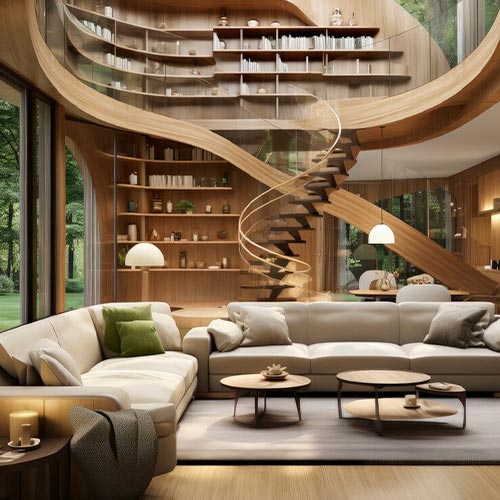
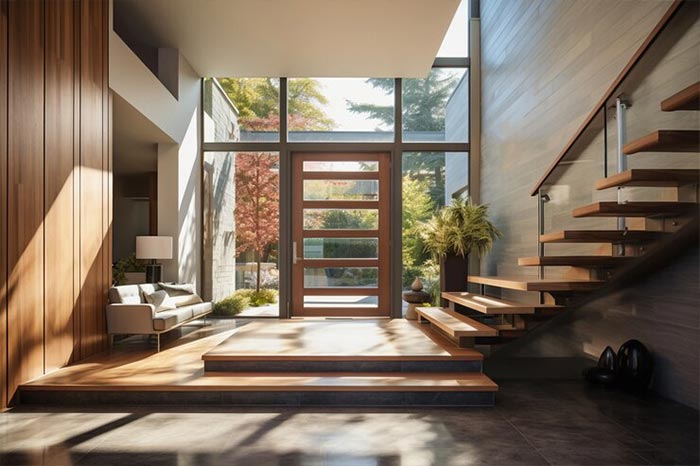
Statement architectural features can dramatically elevate the identity of a home. Archways, recessed niches, textured accent walls, ceiling beams, and modern staircases add depth and personality. These elements not only serve an aesthetic purpose but assist in defining space hierarchy and visual flow.
Accent lighting, such as wall washers or hidden LED strips, can be strategically placed to highlight architectural details and create an inviting atmosphere.
7. The Importance of Color Psychology and Material Harmony
Colors influence emotional responses and overall mood. Soft neutrals promote calmness, while bold tones bring energy and contrast. Combining warm and cool palettes can create balance, while material harmony ensures that wood, metal, fabrics, and stone complement each other.
Texture layering — through fabrics, surfaces, rugs, and decorative elements — provides visual richness without overwhelming the space.
8. Kitchen and Bathroom Architectural Enhancements
Both kitchens and bathrooms benefit greatly from thoughtful interior architecture. In kitchens, the triangle layout (sink, stove, refrigerator) remains a cornerstone of efficient design. Adding islands, breakfast counters, or glass-front cabinets increases usability and charm.
Bathrooms can be transformed through floating vanities, walk-in showers, backlit mirrors, and frameless glass enclosures. Smart ventilation, moisture-resistant materials, and proper lighting ensure durability and comfort.
9. Personalized Touches to Elevate Home Identity
Modern homeowners seek to express individuality through custom elements such as handmade décor, bespoke furniture, curated artwork, and personalized shelving. These details give the home a unique narrative and reflect the occupants’ taste and lifestyle.
Combining handmade items with clean architectural lines creates a sense of authenticity and warmth while maintaining sophistication.
For more ideas and guidance, follow us on Instagram.
Conclusion
Smart residential interior architecture relies on a thoughtful combination of creativity, strategy, comfort, and practicality. Whether redesigning an existing home or planning a new one, thoughtful interior architecture transforms daily living and adds long-term value. For homeowners seeking expert guidance in designing, remodeling, or fully revitalizing their interiors, Builpire stands out as a professional company specializing in renovation and high-quality interior design services.
FAQs About “residential interior architecture design”
1. What is residential interior architecture design and how does it differ from interior design?
Residential interior architecture design focuses on the structural and spatial configuration of a home — including walls, circulation, lighting integration, and functional zoning. Interior design, however, deals mainly with décor, color, furniture, and styling elements. Architecture defines the structure; interior design refines the experience.
2. Why is residential interior architecture design important for modern homes?
It ensures that spaces are efficient, adaptable, comfortable, and aligned with the homeowner’s lifestyle. Good architectural planning improves natural lighting, enhances movement flow, supports multifunctional living, and increases property value.
3. How can smart technology be integrated into residential interior architecture design?
Smart solutions include automated lighting, climate control, voice-activated systems, smart appliances, and security features. These can be seamlessly embedded into architectural plans to improve comfort, safety, and energy efficiency.
4. What materials are recommended for sustainable residential interior architecture design?
Bamboo, reclaimed wood, recycled composites, low-VOC paints, natural stones, and eco-friendly textiles are popular choices. Sustainable insulation and energy-efficient windows also contribute to environmental responsibility.
5. How do homeowners choose the right professional for residential interior architecture design?
They should review past projects, assess the firm’s design style, read client reviews, and ensure the company offers both architectural planning and interior design expertise. A reliable firm communicates clearly, respects budgets, and provides innovative yet practical solutions.