





Kitchen Restoration After Damage: How to Do It Right the First Time
When a kitchen is damaged by water, fire, or flooding, the disruption goes far beyond visible surfaces. In many American homes, the kitchen is one of the most used and valuable spaces. Poor or rushed restoration can lead to recurring issues, health risks, and costly repairs down the line.
This guide explains kitchen restoration after damage in a clear, practical way—helping homeowners understand what needs to be done, why it matters, and how to restore a kitchen properly instead of just covering up the damage.
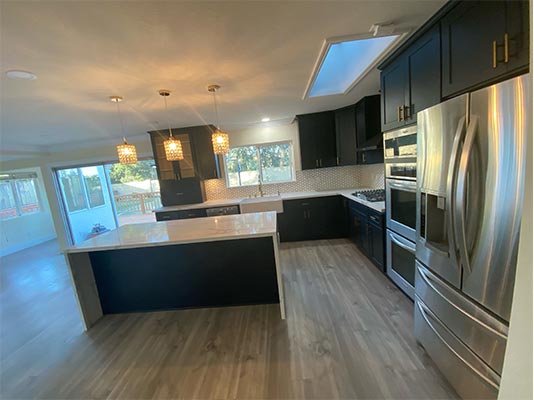
Transform Your Space with BUILPIRE – Book Your Consultation Today!
What Counts as Kitchen Damage?
Kitchen damage often starts small but spreads quickly if not handled correctly.
Common Causes of Kitchen Damage in Homes
-
Burst pipes or appliance leaks
-
Dishwasher or refrigerator water line failures
-
Flooding from storms or sewer backups
-
Kitchen fires or smoke damage
-
Long-term moisture trapped under cabinets or flooring
Each type of damage requires a specific restoration approach. Treating all damage the same way usually leads to incomplete repairs.
Kitchen Restoration vs. Kitchen Renovation
One of the biggest misconceptions is that restoration and renovation are the same.
Kitchen restoration after damage focuses on:
-
Removing moisture and contaminants
-
Preventing mold and structural decay
-
Restoring safety and usability
-
Repairing hidden damage behind walls and cabinets
Renovation focuses on appearance. Renovating without proper restoration often results in hidden problems resurfacing months later.
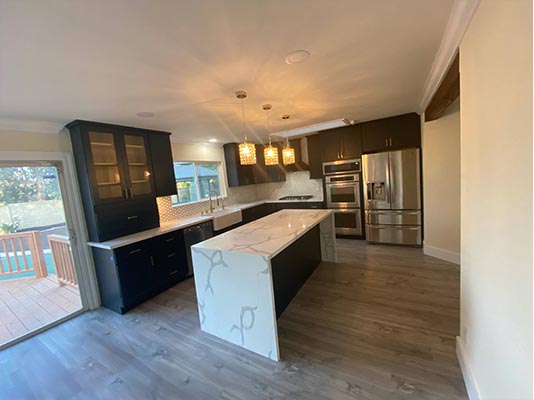
Step-by-Step Kitchen Restoration After Damage
1. Safety Comes First
Before any work begins:
-
Electricity and gas should be shut off
-
Appliances should not be used
-
Structural and electrical safety must be confirmed
After water or fire damage, professional assessment is essential—even if the damage looks minor.
2. Full Damage Inspection
A proper inspection goes beyond visible damage:
-
Moisture inside walls and subfloors
-
Swollen or delaminated cabinets
-
Electrical system exposure
-
Compromised plumbing connections
Documentation at this stage is also important for insurance claims.
3. Emergency Kitchen Restoration Services
Fast response prevents secondary damage.
Emergency kitchen restoration services typically include:
-
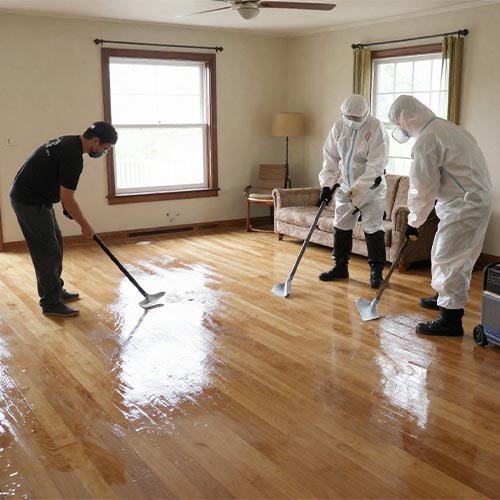
Water extraction
-
Industrial drying and dehumidification
-
Smoke and odor control
-
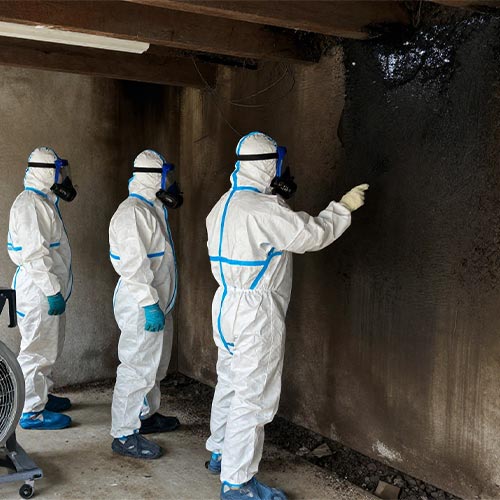
Mold prevention treatments
Delays can lead to mold growth within 24–72 hours, especially in enclosed kitchen spaces.
Water Damaged Kitchen Restoration: What Really Matters
Why Hidden Moisture Is the Biggest Risk
In water damaged kitchen restoration, surface drying is not enough. Water travels under flooring, behind cabinets, and into drywall.
Effective restoration includes:
-
Professional-grade dehumidifiers
-
Moisture meters to verify dryness
-
Removal of water-damaged materials
-
Antimicrobial treatments
Replacing cabinet doors without addressing moisture behind them almost always leads to odor and mold issues later.
Fire Damaged Kitchen Repair: More Than Burned Surfaces
Fire damage doesn’t end where flames stop.
Common Fire-Related Kitchen Issues
-
Heat-damaged wiring and plumbing
-
Smoke residue on walls and ceilings
-
Soot contamination on surfaces
-
Warped metal fixtures
Fire damaged kitchen repair requires deep cleaning, deodorization, and system inspections—not just repainting.
Painting over smoke stains without proper cleaning is one of the most common restoration failures.
Kitchen Renovation After Flood: Timing Matters
Renovation should only begin after restoration is complete.
Smart Renovation Choices After Flooding
-
Water-resistant cabinet materials
-
Raised or protected appliance bases
-
Improved drainage and access panels
-
Mold-resistant drywall and adhesives
A well-planned kitchen renovation after flood reduces the risk of future damage instead of repeating past vulnerabilities.
Choosing the Right Kitchen Damage Restoration Services
Not all contractors specialize in restoration.
What to Look For
-
Experience with water and fire damage restoration
-
Professional drying and testing equipment
-
Clear scope of work
-
Transparent timelines and documentation
Warning Signs
-
Immediate focus on cosmetic upgrades
-
No moisture testing
-
Unrealistically fast completion promises
-
No discussion of hidden damage
Restoration expertise matters more than speed.
Common Kitchen Restoration Mistakes
-
Using household fans instead of industrial drying equipment
-
Keeping water-damaged MDF cabinets
-
Ignoring lingering odors
-
Skipping electrical or plumbing inspections
-
Renovating before the kitchen is fully dry
Most long-term issues come from skipping critical steps early on.
How Long Does Kitchen Restoration Take?
Timelines vary based on damage severity.
| Damage Type | Typical Timeframe |
|---|---|
| Minor water damage | 3–7 days |
| Flood damage | 2–4 weeks |
| Fire and smoke damage | 3–6 weeks |
| Full restoration + renovation | 1–3 months |
Quality restoration prioritizes safety and durability over speed.
What Affects the Cost of Kitchen Restoration?
Key cost factors include:
-
Extent of hidden damage
-
Cabinet and flooring materials
-
Appliance replacement
-
Electrical and plumbing repairs
-
Local labor and access conditions
Cutting corners often leads to higher costs later.
Preventing Future Kitchen Damage
After restoration, prevention is critical.
Practical Prevention Tips
-
Install leak detectors under sinks and appliances
-
Use moisture-resistant materials in high-risk areas
-
Maintain plumbing connections regularly
-
Ensure proper kitchen ventilation
A properly restored kitchen should be more resilient than before.
Conclusion: Restore the Kitchen the Right Way
Kitchen restoration after damage is about fixing the cause, not just improving appearance. Proper restoration protects your home’s value, prevents health risks, and ensures your renovation lasts.
Before replacing cabinets or choosing new finishes, make sure the kitchen has been fully restored. Doing it right the first time saves money, time, and stress.
For more ideas and guidance, follow us on Instagram.
Frequently Asked Questions (FAQ)
Can I stay in my home during kitchen restoration?
For minor damage, yes. After flooding or fire damage, temporary relocation is often safer due to moisture, odors, and electrical risks.
Is mold always visible?
No. Mold frequently grows behind cabinets and inside walls. Odors and high humidity are common warning signs.
Do all cabinets need replacement after water damage?
Not always. Solid wood cabinets may be salvageable. MDF and particleboard usually are not.
How do professionals confirm restoration is complete?
Moisture readings return to normal levels, odors are eliminated, and all systems are tested before renovation begins.
Can renovation hide unresolved damage?
Visually, yes—but underlying problems almost always return.