

The Art of Kitchen Interior Design
The kitchen has evolved far beyond its traditional role as a place to prepare meals. Today, it serves as the heart of the home—a space where families gather, conversations happen, and everyday moments become lasting memories. Thoughtful kitchen interior design creates an environment that blends beauty, functionality, and comfort while supporting the way you live.
A successful kitchen is more than attractive cabinetry and premium finishes. Every design decision, from the layout and storage solutions to lighting, materials, and appliance placement, directly affects how efficiently your kitchen performs. Whether you’re planning a complete kitchen remodel or updating specific features, investing in smart design improves daily convenience, increases energy efficiency, and can significantly enhance your home’s resale value.
Modern homeowners are looking for kitchens that combine timeless style with practical innovation. Open-concept layouts, multifunctional islands, sustainable materials, custom storage solutions, and smart appliances have become essential elements of contemporary kitchen design. Rather than following short-lived trends, professional designers focus on creating spaces that remain functional, adaptable, and visually appealing for years to come.
In this guide, you’ll discover the essential principles of professional kitchen interior design, explore today’s leading design trends, learn how to avoid costly remodeling mistakes, and find expert recommendations for choosing layouts, materials, lighting, and finishes. Whether your goal is maximizing a compact kitchen or designing a luxury culinary space, these insights will help you create a kitchen that perfectly fits your lifestyle while adding lasting value to your home.
Kitchen Design Essentials
- ✔ Prioritize an efficient layout before selecting finishes.
- ✔ Maximize storage with custom cabinetry and smart organization solutions.
- ✔ Choose durable materials that balance beauty and long-term performance.
- ✔ Layer ambient, task, and accent lighting for better functionality.
- ✔ Invest in energy-efficient appliances to reduce operating costs.
- ✔ Select timeless designs that increase both comfort and home value.
Transform Your Space with BUILPIRE – Book Your Consultation Today!
Key Elements of Kitchen Interior Design
Layout Planning:
-
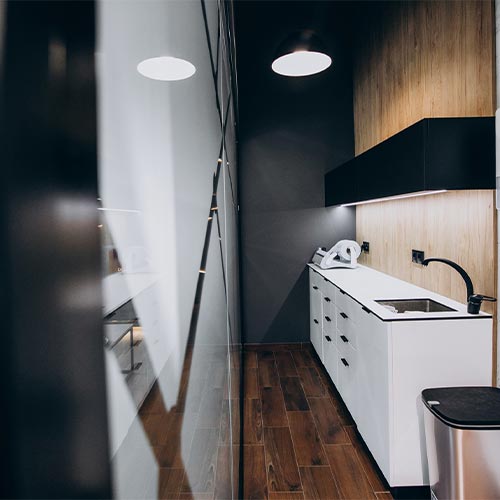
- The foundation of any successful kitchen interior design is its layout. Popular layouts include U-shaped, L-shaped, galley, and open-plan kitchens. The layout should prioritize the “work triangle,” ensuring seamless movement between the sink, stove, and refrigerator.
- A well-thought-out layout not only optimizes functionality but also influences the overall flow of the kitchen. For instance, open-plan designs are ideal for homes that emphasize social interaction, while galley kitchens are perfect for compact spaces. The secret to great kitchen interior design lies in balancing style with practicality.
Expert Tip: Prioritize Workflow Before Finishes
“Choose your layout before selecting colors, countertops, or cabinet styles. A beautiful kitchen cannot compensate for poor functionality.”
Reference
National Kitchen & Bath Association (NKBA)
Storage Solutions:
-
- Efficient storage is essential in kitchen interior design. Utilize cabinets, drawers, and shelves to maximize space. Pull-out pantries, corner carousel units, and vertical storage can help keep your kitchen organized and clutter-free.
- Customizable storage options, like modular cabinets and drawer dividers, enhance organization. Innovative solutions, such as under-cabinet racks and wall-mounted hooks, make every inch of space count. Smart storage is the backbone of a clutter-free kitchen.
Material Selection:
-
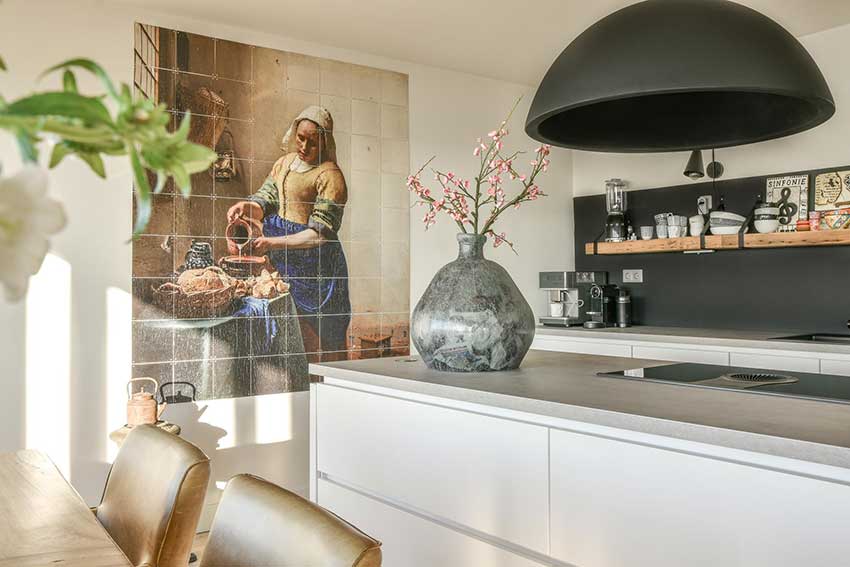
- From countertops to flooring, material choice is crucial in kitchen interior design. Durable options like quartz, granite, and hardwood are popular for their longevity and aesthetic appeal.
-
- Incorporating sustainable materials such as bamboo or recycled wood aligns with eco-friendly trends. These choices not only benefit the environment but also add a unique charm to your kitchen. Durability, aesthetics, and sustainability should guide your material selection.
Lighting:
Lighting can make or break your kitchen interior design. Combine ambient, task, and accent lighting to create a well-lit and inviting space.
Pendant lights over islands, under-cabinet LED strips, and recessed ceiling lights are excellent choices. Proper lighting enhances functionality and adds ambiance, making your kitchen both practical and visually appealing.
Expert Tip: Layer Your Lighting for Better Functionality
“Successful kitchens combine ambient, task, and accent lighting to improve visibility, safety, and overall comfort.”
Reference
Color Palette:
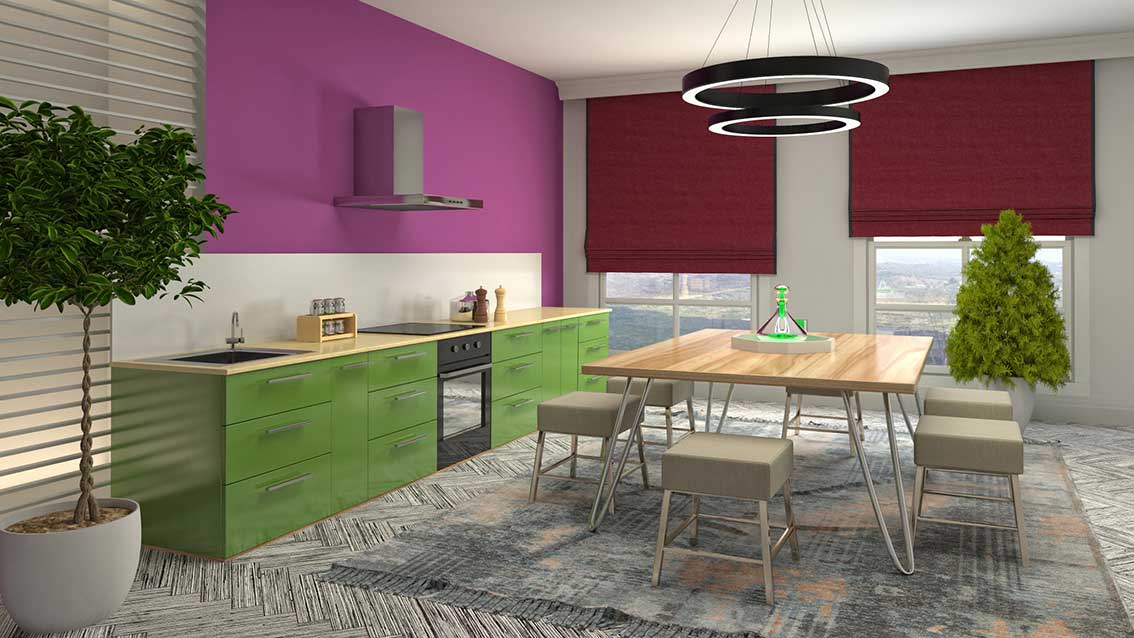
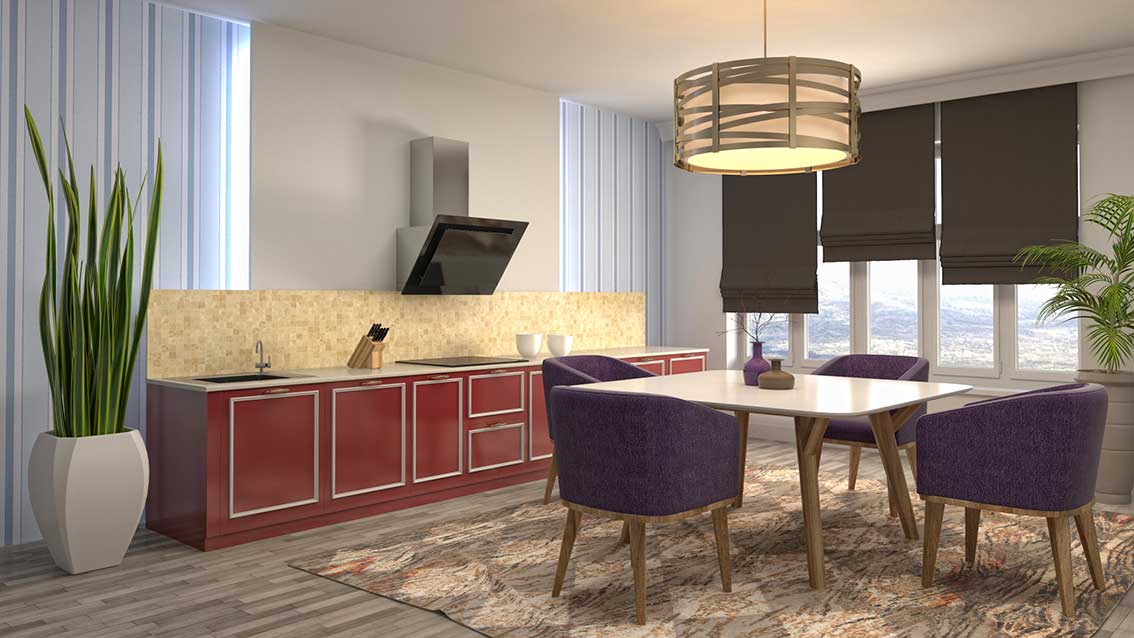
The colors you choose set the tone for your kitchen. Neutral shades like white, beige, and gray are timeless, while bold colors like navy blue or emerald green can add a modern touch.
Two-tone cabinets, where upper cabinets feature lighter shades and lower cabinets darker hues, are a growing trend. The right color palette creates harmony and elevates the kitchen’s overall appeal.
Appliances and Technology:
-
- Modern kitchen interior design often incorporates smart appliances and tech features like touchless faucets, integrated refrigerators, and voice-controlled lighting systems.
- Energy-efficient appliances not only reduce your carbon footprint but also save on utility bills. From smart ovens to advanced ventilation systems, technology enhances convenience and elevates your kitchen experience.
Expert Tip: Invest in Energy-Efficient Appliances
“ENERGY STAR certified appliances reduce long-term operating costs while improving environmental performance.”
Reference
Current Trends in Kitchen Interior Design
-
Minimalist Designs:
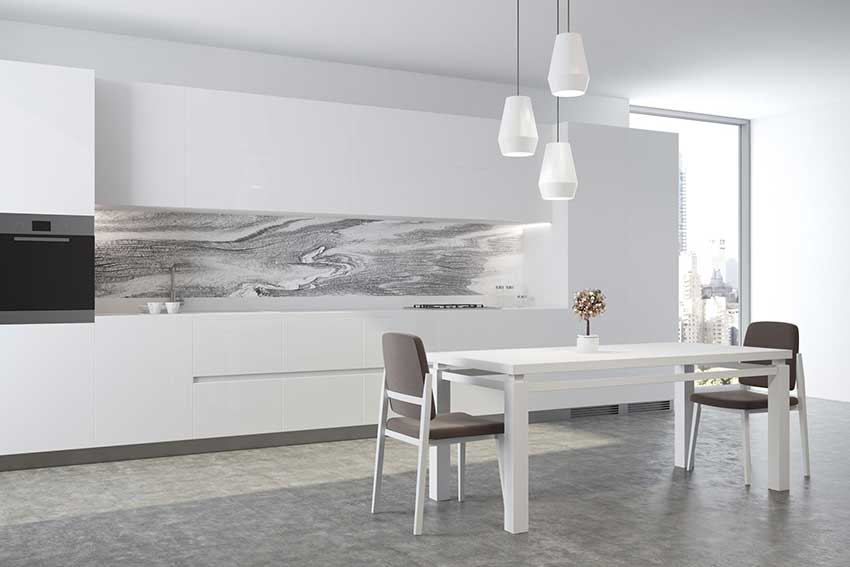
- Sleek lines, handleless cabinets, and a clutter-free aesthetic define minimalist kitchen interior design.
- Minimalism emphasizes simplicity and functionality. Open spaces, hidden storage, and neutral tones characterize this trend, making it perfect for modern lifestyles.
-
Eco-Friendly Materials:
- Sustainable materials like bamboo, recycled glass, and low-VOC paints are gaining popularity.
- Using eco-friendly materials not only reduces environmental impact but also creates a healthier indoor environment. Incorporating green practices is a hallmark of contemporary kitchen interior design.
-
Bold Backsplashes:
- Statement backsplashes with geometric patterns or vibrant colors are a focal point in modern designs.
- These bold elements serve as artistic expressions, adding depth and personality to your kitchen. From intricate mosaics to large-format tiles, the possibilities are endless.
-
Open Shelving:
- Replacing traditional cabinets with open shelves adds a contemporary and airy feel to the kitchen.
- Open shelving allows homeowners to showcase decorative items and create a personalized touch. It’s a trend that blends functionality with style.
-
Smart Kitchens:
- Integration of smart home technology, including automated lighting, smart ovens, and connected appliances, is revolutionizing kitchen interior design.
- These advancements make kitchens more intuitive and efficient, providing unparalleled convenience. Smart kitchens are a glimpse into the future of home living.
How to Plan a Kitchen Remodel That Adds Long-Term Home Value
A beautiful kitchen is important, but a successful kitchen interior design project should also increase the long-term value of your home. According to industry experts, kitchens remain one of the highest-return remodeling investments because they improve both everyday functionality and buyer appeal.
Before choosing materials or finishes, homeowners should define their priorities. Some families need additional storage, while others prioritize entertaining guests or creating an open-concept living space. Understanding how the kitchen will be used every day helps determine the ideal layout, cabinetry, lighting, and appliance selection.
Budget planning is equally important. Instead of spending excessively on decorative elements, professionals recommend investing in features that improve durability and daily performance. High-quality cabinetry, premium countertops, energy-efficient appliances, and durable flooring provide lasting value while reducing future maintenance costs.
Another critical consideration is workflow. A well-designed kitchen should allow smooth movement between food preparation, cooking, cleaning, and storage areas. Professional designers evaluate traffic patterns to eliminate bottlenecks and create a comfortable environment for multiple users.
Flexibility should also be part of every kitchen interior design strategy. Adjustable shelving, oversized drawers, hidden storage compartments, and multifunctional islands make the kitchen adaptable to changing family needs over time.
Ultimately, the most valuable kitchens are those that successfully combine aesthetics, efficiency, and practicality. Rather than chasing short-term design trends, homeowners should focus on timeless materials, thoughtful layouts, and quality craftsmanship that continue delivering value for years.
Choosing the Right Countertop Material for Your Lifestyle
Countertops are one of the most frequently used surfaces in any kitchen, making material selection a major decision during kitchen interior design. While appearance matters, durability, maintenance requirements, and daily usability should guide the final choice.
Quartz remains one of the most popular countertop materials because it offers exceptional durability, stain resistance, and minimal maintenance. Since engineered quartz is non-porous, it does not require sealing and performs well in busy family kitchens.
Natural granite continues to attract homeowners who appreciate unique patterns and natural beauty. Although highly durable, granite requires periodic sealing to protect against staining and moisture penetration.
Marble delivers timeless elegance and luxury but demands greater care. It is more susceptible to scratching and etching, making it better suited for homeowners who prioritize appearance over heavy-duty performance.
Butcher block countertops introduce warmth and natural texture into kitchen spaces. When properly maintained, wood surfaces can last for decades while complementing both modern and traditional kitchen designs. Regular oiling helps preserve their appearance and durability.
Porcelain countertops have recently gained popularity due to their resistance to heat, scratches, UV exposure, and stains. Their versatility makes them suitable for indoor and outdoor kitchen applications alike.
Selecting the right countertop ultimately depends on cooking habits, maintenance preferences, budget, and desired aesthetic. A professional kitchen designer can help balance these factors to achieve the ideal combination of beauty and functionality.
Mistakes to Avoid During Kitchen Interior Design
Even premium materials cannot compensate for poor planning. Avoiding common mistakes during kitchen interior design helps homeowners save money while creating a space that functions efficiently for years.
One of the biggest mistakes is prioritizing appearance over functionality. While trendy finishes may look impressive, poor storage planning or inefficient layouts often create daily frustration.
Insufficient lighting is another frequent problem. Relying solely on ceiling fixtures creates shadows over work surfaces. Combining ambient, task, and accent lighting significantly improves both safety and usability.
Many homeowners also underestimate storage requirements. Deep drawers, pull-out pantry systems, corner organizers, and vertical storage solutions maximize every inch of available space while keeping countertops clutter-free.
Poor ventilation is another issue that affects both comfort and indoor air quality. Choosing an appropriately sized range hood helps remove heat, moisture, grease, and cooking odors more effectively.
Another costly mistake involves ignoring electrical planning. Today’s kitchens often include smart appliances, charging stations, coffee machines, and multiple small appliances. Installing sufficient outlets and planning electrical circuits early prevents expensive modifications later.
Finally, selecting materials based solely on trends rather than durability can increase long-term maintenance costs. Timeless finishes combined with quality construction provide a better return on investment and remain visually appealing even as design trends evolve.
Kitchen Design Timeline: What to Expect from Start to Finish
Kitchen Design Timeline: What to Expect from Start to Finish
Understanding the remodeling timeline helps homeowners set realistic expectations and avoid unnecessary delays. While every project is unique, most professional kitchen renovations follow a similar sequence.
The process typically begins with consultation, measurements, and design planning. After selecting materials, cabinetry, appliances, and finishes, contractors prepare the space through demolition and structural work if necessary.
Electrical, plumbing, and HVAC updates are completed before drywall, flooring, cabinetry, and countertops are installed. The project concludes with appliance installation, lighting fixtures, finishing details, inspections, and a final walkthrough.
Working with an experienced design-build company streamlines communication throughout every phase, minimizes unexpected issues, and keeps the project on schedule.
Why Choose Builpire for Your Kitchen Interior Design?
If you’re looking to elevate your home with expert kitchen interior design, Builpire is your trusted partner. Specializing in bespoke interior solutions, Builpire combines innovation with craftsmanship to create kitchens that are both functional and stunning. Whether you want a sleek modern design or a cozy traditional kitchen, Builpire’s team of professionals ensures every detail is tailored to your vision. From initial consultation to final installation, Builpire delivers excellence at every step. Let us transform your kitchen into the heart of your home.
With years of experience and a passion for perfection, Builpire offers a seamless design-to-build process. Our experts work closely with you to understand your preferences, budget, and goals. By choosing Builpire, you’re investing in a kitchen that combines innovation, quality, and timeless beauty. Contact us today to start your journey toward a dream kitchen that exceeds expectations.
For more ideas and guidance, follow us on Instagram.
FAQs About Kitchen Interior Design
1. What is the ideal kitchen layout for improving resale value?
Open-concept kitchens with efficient work zones continue to attract homebuyers because they improve functionality, natural light, and social interaction. While the best layout depends on the home’s footprint, designs that maintain a clear work triangle between the sink, cooktop, and refrigerator generally provide the best long-term value. Homeowners should prioritize workflow and storage rather than simply maximizing square footage.
2. Which kitchen countertop material requires the least maintenance?
Engineered quartz is widely considered one of the easiest countertop materials to maintain. Unlike natural stone, quartz does not require sealing, resists stains, and offers excellent durability for busy households. It provides a balance of performance, appearance, and long-term value, making it one of the most popular choices for modern kitchen interior design.
3. How much should I budget for a kitchen remodeling project?
Kitchen remodeling costs vary depending on project scope, material selection, labor, and geographic location. Rather than focusing solely on the total budget, homeowners should allocate spending toward cabinetry, countertops, lighting, and quality installation, as these elements have the greatest impact on durability, functionality, and overall home value.
4. How can I make my kitchen feel larger without expanding the space?
Strategic design decisions can significantly improve the perception of space. Light-colored cabinetry, reflective surfaces, under-cabinet lighting, large-format flooring, glass elements, and thoughtful storage solutions create a brighter and more open environment. Eliminating visual clutter is often more effective than increasing the physical size of the kitchen.
5. Is hiring a professional kitchen designer worth the investment?
Working with an experienced kitchen designer helps homeowners avoid costly mistakes related to layout, material selection, electrical planning, lighting, and storage. Professional guidance often results in a more functional design, improved project efficiency, and a finished kitchen that better supports both daily living and future resale value.