








Understanding the Insurance Home Restoration Process
When a home is damaged by fire, water, storm, or other unexpected events, the restoration process can feel overwhelming. Homeowners are often unsure where to start, what insurance actually covers, and how long the process will take.
The insurance home restoration process is designed to help property owners repair and restore their homes after insured damage. However, success largely depends on understanding each step, proper documentation, and clear communication with both the insurer and restoration professionals.
This guide explains the full process clearly and practically, based on real-world scenarios, so you can avoid delays, reduce stress, and protect your financial interests.
Transform Your Space with BUILPIRE – Book Your Consultation Today!
What Is Home Restoration After an Insurance Claim?
Home restoration after an insurance claim refers to repairing or rebuilding parts of a home that were damaged due to a covered event, such as:
-
Water leaks or flooding
-
Fire and smoke damage
-
Storms, hail, or wind damage
-
Earthquakes (if covered separately)
Insurance typically covers returning the property to its pre-loss condition, not upgrading or remodeling beyond what existed before the damage.

Common Types of Property Damage Covered by Insurance
Coverage varies by policy, but most standard policies include:
-
Water damage (excluding long-term neglect)
-
Fire and smoke damage
-
Storm and wind damage
-
Falling objects
-
Sudden pipe bursts
In Iran, many homeowners rely on combined property and fire insurance policies, often issued by companies such as Iran Insurance, Asia Insurance, or Alborz Insurance. Coverage details should always be reviewed before a claim is filed.
Home Insurance Restoration Steps (Complete Breakdown)
Step 1: Ensure Safety and Prevent Further Damage
Before contacting your insurance provider:
-
Turn off electricity or gas if needed
-
Remove valuables from affected areas
-
Take temporary measures to prevent further damage
Insurance companies expect homeowners to mitigate additional losses.
Step 2: Document the Damage Thoroughly
Proper documentation is critical for insurance claim home restoration approval.
Recommended actions:
-
Take clear photos and videos from multiple angles
-
Record dates, causes, and visible impact
-
Keep receipts for emergency repairs
Tip: Many claims are delayed simply due to insufficient documentation.
Step 3: File the Insurance Claim Promptly
Contact your insurance company as soon as possible. You’ll need:
-
Policy number
-
Description of damage
-
Evidence (photos, videos, reports)
Delays in filing may reduce compensation or result in claim rejection.

Step 4: Damage Inspection and Adjuster Assessment
The insurer will send an adjuster to:
-
Inspect the property
-
Estimate repair costs
-
Confirm policy coverage
Be present during the inspection if possible. Point out all visible and hidden damage.
Step 5: Claim Approval and Scope of Work
Once approved, the insurer issues:
-
A damage report
-
Approved repair scope
-
Payment terms (partial or full)
This document defines what insurance-covered home repairs are allowed.
Step 6: Hiring a Restoration Contractor
You can:
-
Choose your own contractor, or
-
Use an insurance-approved provider
Always select contractors experienced in property damage restoration insurance cases. They understand documentation, pricing standards, and insurer communication.

Step 7: Restoration and Repair Work Begins
This may include:
-
Water extraction and drying
-
Structural repairs
-
Electrical and plumbing fixes
-
Painting and finishing
Restoration timelines depend on damage severity and material availability.
Step 8: Final Inspection and Claim Closure
After completion:
-
Contractor submits final invoices
-
Insurance releases remaining payment
-
Claim is officially closed
Keep all documents for future reference.

What Does Insurance Usually Cover in Home Restoration?
Typically covered:
-
Structural repairs
-
Electrical and plumbing restoration
-
Flooring replacement (same quality)
-
Wall and ceiling repairs
Usually not covered:
-
Luxury upgrades
-
Pre-existing damage
-
Poor maintenance issues
Understanding these limits prevents unrealistic expectations.
Real-World Example: Water Damage Claim
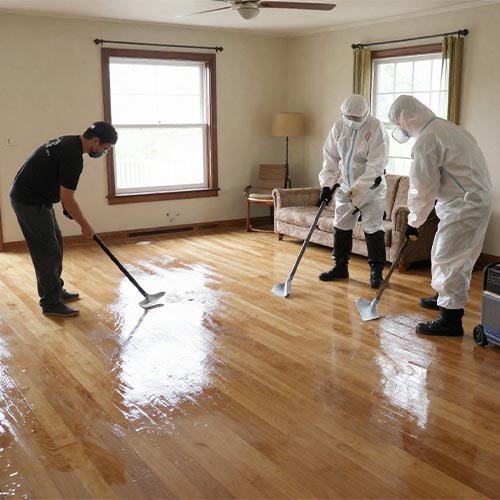
A homeowner in Tehran experienced a burst pipe that flooded the living room and bedrooms. By documenting damage immediately and hiring an insurance-experienced contractor, the claim was approved within 10 days, and full restoration was completed in under a month.
Key success factors:
-
Fast reporting
-
Clear evidence
-
Contractor familiar with insurer standards
Common Mistakes That Delay Insurance Home Restoration
-
Starting repairs before approval
-
Disposing of damaged items too early
-
Incomplete documentation
-
Hiring unlicensed contractors
Avoiding these mistakes can save weeks or even months.

Tips to Speed Up the Insurance Claim Home Restoration Process
-
Read your policy before filing
-
Communicate in writing when possible
-
Keep a claim checklist
-
Follow up regularly but professionally
Persistence and organization make a real difference.
Final Thoughts: Navigating Home Restoration with Confidence
The insurance home restoration process doesn’t have to be confusing. With proper documentation, timely action, and experienced professionals, homeowners can restore their property efficiently and fairly.
The key is understanding your policy, knowing your rights, and managing the process proactively.
For more ideas and guidance, follow us on Instagram.
Frequently Asked Questions (FAQ)
How long does the insurance home restoration process take?
Typically between 2 weeks and 3 months, depending on damage severity and claim approval speed.
Can I choose my own contractor for insurance-covered home repairs?
Yes, most insurers allow this, but the contractor must follow approved scopes and pricing.
What if the insurance payout is lower than repair costs?
You can request a reassessment or submit additional evidence to support a higher estimate.
Are temporary repairs covered by insurance?
Yes, emergency repairs to prevent further damage are usually reimbursed.
Does insurance cover full home renovation?
No. Insurance restores, not renovates. Only damaged areas and original conditions are covered.