







How to Stop a Roof Leak Before It Gets Worse: Powerful 9-Step Homeowner Guide
A roof leak is one of those problems that starts small and quietly, then suddenly becomes a homeowner’s nightmare. One day it’s a tiny stain on the ceiling; the next day, water is dripping onto your floor. The good news? If you act fast, you can stop a roof leak before it gets worse and avoid costly structural damage.
In this guide, you’ll learn exactly how to stop a roof leak using practical, proven steps. We’ll cover early warning signs, emergency fixes, long-term solutions, and prevention strategies. The language is simple, the steps are clear, and the advice is based on real-world roofing experience. Let’s get into it.
Transform Your Space with BUILPIRE – Book Your Consultation Today!
Understanding Why a Roof Leak Happens
Before you can stop a roof leak, you need to understand why it started in the first place. Roofs are tough, but they’re not invincible.
Common Causes of Roof Leak in Residential Homes
Most roof leak issues come from a few common sources:
-
Damaged or missing shingles due to wind or aging
-
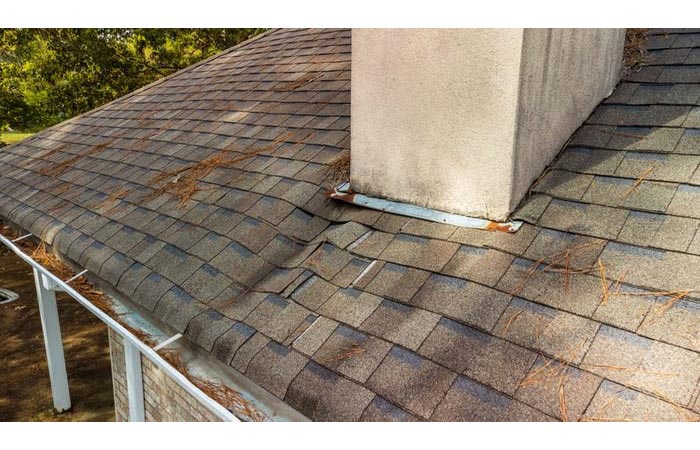
Cracked flashing around chimneys, vents, or skylights
-
Clogged gutters causing water to back up under shingles
-
Improper roof installation from the start
-
Old roofing materials that have reached the end of their lifespan
Even a small gap can allow water to sneak in. Once moisture finds a path, gravity does the rest.
How Weather Conditions Make a Roof Leak Worse
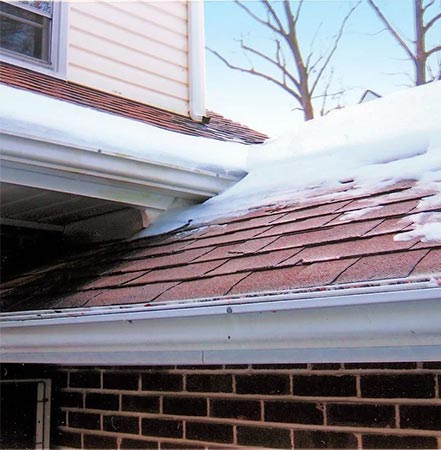
Weather plays a big role in turning a minor issue into a major roof leak. Heavy rain, snow buildup, ice dams, and strong winds all increase pressure on your roof. Over time, repeated exposure weakens materials, making it harder to stop a roof leak without proper repairs.
According to the National Roofing Contractors Association, regular inspections after severe weather are critical to preventing leaks from spreading.
Early Warning Signs You Shouldn’t Ignore
Catching a roof leak early can save you thousands of dollars. The trick is knowing what to look for.
Interior Signs of a Roof Leak
Inside your home, a roof leak often shows up as:
-
Water stains on ceilings or walls
-
Peeling paint or bubbling drywall
-
Musty odors in the attic
-
Dripping water during or after rain
If you notice any of these, don’t shrug them off. They’re your roof’s way of asking for help.
Exterior Red Flags on Your Roof
Outside, signs of a roof leak include:
-
Missing, curled, or cracked shingles
-
Rusted or loose flashing
-
Sagging roof sections
-
Granules collecting in gutters
A quick visual check from the ground can sometimes reveal enough to prompt action and stop a roof leak before it spreads.
Immediate Actions to Stop a Roof Leak Temporarily
Sometimes, you need a quick fix to stop a roof leak until professional repairs are possible.
How to Minimize Damage Inside Your Home
First things first—control the water:
-
Place buckets under drips
-
Move furniture and electronics away
-
Puncture bulging ceiling drywall to release trapped water
-
Use fans or dehumidifiers to dry the area
These steps won’t fix the roof leak, but they’ll limit damage.
Emergency Outdoor Fixes for a Roof Leak
If it’s safe to access your roof, you can try temporary measures:
-
Apply roofing tape or sealant over cracks
-
Use a tarp secured with nails or boards
-
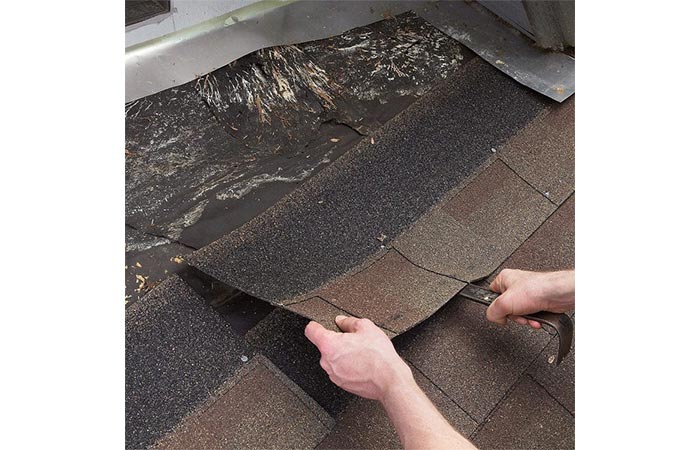
Replace a single missing shingle if you have a match
These are short-term solutions, but they can effectively stop a roof leak during an emergency.
Long-Term Solutions to Stop a Roof Leak Permanently
Temporary fixes buy time. Permanent solutions protect your home.
Professional Roof Repair vs DIY
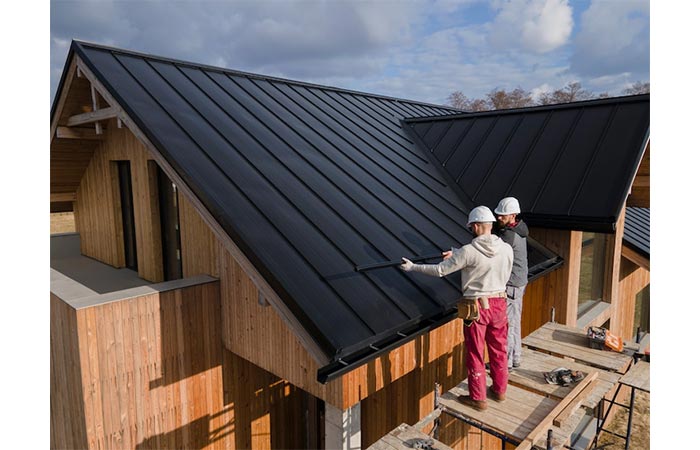
DIY repairs work for minor issues, but larger or recurring roof leak problems need a professional. Roofing experts can:
-
Identify hidden moisture damage
-
Repair flashing correctly
-
Ensure proper sealing and drainage
If you’re unsure, it’s safer—and often cheaper long-term—to call a pro to stop a roof leak correctly the first time.
Materials Commonly Used to Fix a Roof Leak
Common repair materials include:
-
Asphalt shingles
-
Metal flashing
-
Roofing underlayment
-
Waterproof sealants
Using the right materials ensures the roof leak doesn’t come back.
Cost, Prevention, and Maintenance Strategies
Understanding cost and prevention helps you plan smarter.
Average Cost to Repair a Roof Leak
Repair costs vary depending on severity:
| Type of Repair | Average Cost |
|---|---|
| Minor shingle repair | $150 – $400 |
| Flashing repair | $200 – $600 |
| Major roof leak repair | $1,000+ |
Acting early almost always costs less.
Preventive Maintenance to Avoid Future Roof Leak
To prevent another roof leak:
-
Inspect your roof twice a year
-
Clean gutters regularly
-
Trim overhanging branches
-
Schedule professional inspections
A little maintenance goes a long way when trying to stop a roof leak for good.
Conclusion
A roof leak doesn’t have to turn into a disaster. With early detection, smart temporary fixes, and proper long-term repairs, you can stop a roof leak before it gets worse. Stay proactive, keep up with maintenance, and don’t hesitate to call a professional when needed. Your roof protects everything beneath it—taking care of it is always worth the effort.
Frequently Asked Questions About Roof Leaks
1. Can a small roof leak fix itself?
No. A roof leak always gets worse over time if ignored.
2. How fast can a roof leak cause damage?
In as little as 24–48 hours, moisture can damage insulation and drywall.
3. Is insurance likely to cover a roof leak?
If it’s caused by sudden damage, often yes. Wear-and-tear usually isn’t covered.
4. Can I stop a roof leak without replacing the roof?
Yes, many leaks are repairable without full replacement.
5. Is a roof leak dangerous?
Yes. It can lead to mold, electrical hazards, and structural damage.
6. How often should I check my roof for leaks?
At least twice a year and after major storms.