






Understanding Home Restoration Cost Factors
When a property is damaged by water, fire, mold, or natural disasters, one of the first questions homeowners ask is simple: How much will it cost?
The home restoration cost can vary dramatically depending on the type of damage, the size of the property, materials involved, and urgency of service. Whether you’re dealing with burst pipes, storm damage, or a full property rebuild, understanding cost factors helps you make smarter decisions and avoid unexpected expenses.
This comprehensive guide breaks down everything you need to know, including the average home restoration cost, how to get an accurate home restoration cost estimate, and what affects the cost to restore a house after damage.
Transform Your Space with BUILPIRE – Book Your Consultation Today!
What Is Included in Home Restoration?
Home restoration refers to returning a property to its pre-damage condition. It is different from remodeling or upgrading. Restoration focuses on repair and recovery.
Common services include:
-
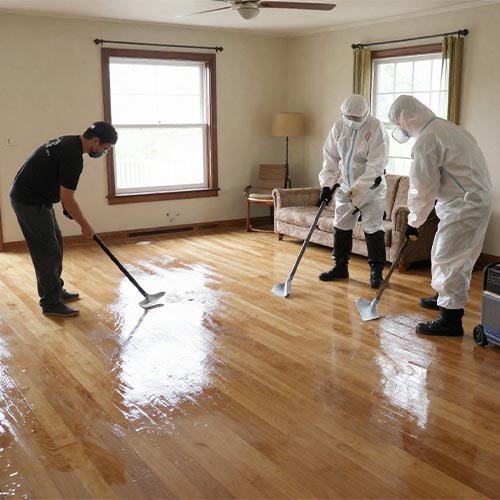
Water damage mitigation
-
Fire and smoke cleanup
-
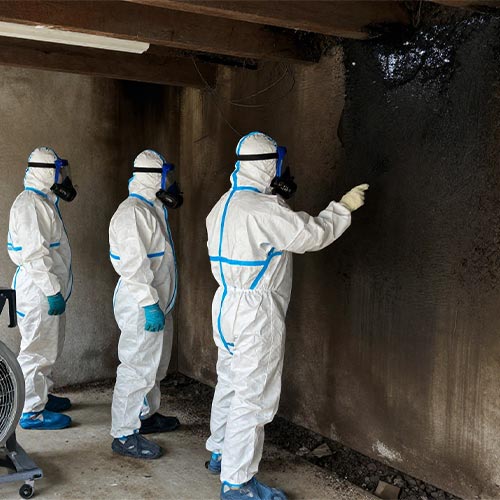
Mold remediation
-
Structural drying
-
Roof and exterior repair
-
Structural rebuilding
-
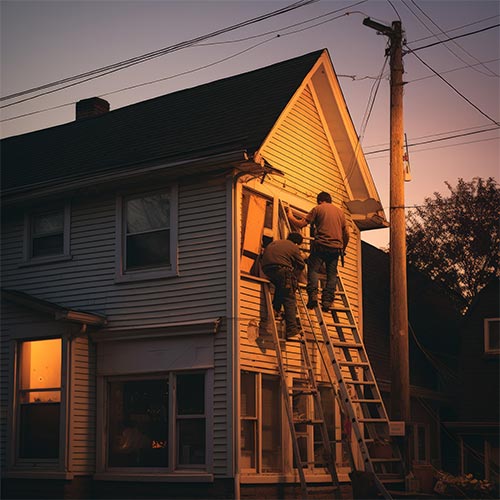
Emergency board-up and tarping
In severe cases, restoration may involve a full reconstruction.
Average Home Restoration Cost in the U.S.
The average home restoration cost depends on the type and severity of damage.
Here’s a general overview:
| Type of Damage | Average Cost Range |
|---|---|
| Minor water damage | $1,200 – $5,000 |
| Major water damage | $7,000 – $25,000 |
| Fire damage (partial) | $5,000 – $30,000 |
| Fire damage (extensive) | $30,000 – $100,000+ |
| Mold remediation | $1,500 – $6,000 |
| Storm damage repair | $3,000 – $50,000+ |
| Full house restoration | $50,000 – $200,000+ |
These figures vary based on region, labor rates, and material costs. Urban areas and states with higher labor costs typically see higher restoration pricing.
Key Factors That Affect Home Restoration Cost
Understanding cost drivers helps you anticipate expenses and evaluate contractor estimates.
1. Type and Severity of Damage
This is the biggest cost factor.
-
Clean water from a pipe leak is cheaper to handle than black water contamination.
-
Light smoke damage is far less expensive than structural fire damage.
-
Mold in drywall costs less than mold inside HVAC systems.
The longer damage sits untreated, the more expensive it becomes.
2. Size of the Affected Area
Costs scale with square footage.
Restoring 200 square feet of flooring is very different from restoring an entire 2,500 sq. ft. home. Larger areas require more materials, labor, and drying equipment.
3. Materials and Finishes
High-end materials increase restoration costs.
For example:
-
Hardwood flooring costs more to replace than laminate.
-
Custom cabinetry is more expensive than stock units.
-
Marble countertops cost more than standard quartz.
Insurance policies may only cover materials of similar grade.
4. Structural Damage
If the damage affects load-bearing walls, roofing systems, or foundations, costs rise significantly.
Structural engineering assessments, permits, and inspections may be required, adding both time and expense.
5. Emergency Services and Timing
Emergency home restoration pricing is higher when services are required after hours, during holidays, or immediately following large-scale disasters.
However, fast response reduces long-term costs. For example:
A homeowner who addresses water damage within 24 hours may avoid mold remediation, saving thousands.
6. Labor and Location
Labor rates vary by state and city. Restoration in metropolitan areas generally costs more than in rural regions.
After major hurricanes or wildfires, labor shortages may temporarily increase pricing.
7. Insurance Coverage
Insurance significantly impacts out-of-pocket expenses.
Covered events typically include:
-
Sudden water damage
-
Fire
-
Storm damage
-
Vandalism
Not typically covered:
-
Gradual leaks
-
Maintenance neglect
-
Flood damage (unless separate flood insurance exists)
Always request a detailed home restoration cost estimate before filing a claim.

Cost to Restore a House After Damage: Realistic Scenarios
Scenario 1: Burst Pipe in a Two-Story Home
-
Water extraction: $2,500
-
Drying equipment: $3,000
-
Drywall replacement: $4,000
-
Flooring replacement: $6,000
-
Paint and finishing: $2,500
Total estimated cost: $18,000
If addressed quickly, costs may stay under $10,000.
Scenario 2: Kitchen Fire Damage
-
Smoke cleanup: $5,000
-
Cabinet replacement: $12,000
-
Electrical repair: $3,500
-
Appliance replacement: $8,000
-
Structural repairs: $10,000
Total estimated cost: $38,500
Delays can increase odor removal and structural costs.

Scenario 3: Full House Restoration After Major Storm
-
Roof replacement: $18,000
-
Water damage mitigation: $12,000
-
Structural repairs: $35,000
-
Interior rebuild: $45,000
Full house renovation cost breakdown: Approximately $110,000
How to Get an Accurate Home Restoration Cost Estimate
To receive a reliable estimate:
-
Schedule an on-site inspection.
-
Request moisture and structural testing.
-
Ask for a line-by-line cost breakdown.
-
Confirm whether pricing includes debris removal and permits.
-
Clarify insurance coordination services.
Professional restoration companies often use estimating software aligned with insurance standards to provide accurate projections.

Emergency Home Restoration Pricing: What to Expect
Emergency restoration involves:
-
24/7 response
-
Immediate water extraction
-
Temporary structural stabilization
-
Board-up services
-
Rapid drying setup
Emergency pricing may be 10–25% higher than scheduled work, but early action prevents compounding damage.
In real-world cases, immediate mitigation can reduce total project costs by 30–50%.
Ways to Reduce Home Restoration Cost
-
Act immediately after damage occurs.
-
Shut off water or electricity if safe.
-
Document damage with photos.
-
Avoid DIY demolition that may void insurance coverage.
-
Choose licensed and insured contractors.
-
Request multiple written estimates.
Prevention also matters:
-
Regular roof inspections
-
Plumbing maintenance
-
Sump pump testing
-
HVAC cleaning
Preventative maintenance is significantly cheaper than full restoration.

Final Thoughts
Understanding home restoration cost factors allows homeowners to prepare financially and respond quickly after damage.
Costs depend on severity, materials, location, and urgency. Acting fast reduces long-term expenses. Getting a detailed, transparent estimate ensures you know exactly what you’re paying for.
If your property has been damaged, schedule a professional inspection immediately. Early assessment is the most effective way to control costs and protect your investment.
For more ideas and guidance, follow us on Instagram.
Frequently Asked Questions (FAQ)
How much does the average home restoration cost?
The average home restoration cost ranges from $3,000 for minor damage to over $100,000 for full structural restoration. The final price depends on damage type, size of the property, materials, and labor rates.
How long does home restoration take?
Minor restoration may take 3–7 days. Moderate damage may require 2–4 weeks. Full structural restoration can take several months depending on permitting and material availability.
Does homeowners insurance cover restoration?
Most policies cover sudden and accidental damage such as fire or burst pipes. Flooding typically requires separate flood insurance. Always review your specific policy.
What is included in a home restoration cost estimate?
A proper estimate includes labor, materials, demolition, drying equipment, debris removal, structural repairs, finishing, and permit fees. It should clearly separate emergency services from rebuild costs.
Is full house restoration more expensive than renovation?
Yes. Restoration often includes demolition, remediation, structural repairs, and code compliance. Renovation focuses on upgrades and aesthetic improvements.