







Understanding Flood Damage in Residential Properties
Flooding can turn a safe, comfortable home into a stressful and unsafe environment in a matter of minutes. Flood restoration for homes isn’t just about removing water—it’s about protecting the structure, health, and long-term value of the property. Flood damage varies depending on water source, duration, and materials affected. Unfortunately, many homeowners underestimate how deeply water can penetrate walls, floors, and foundations.
Transform Your Space with BUILPIRE – Book Your Consultation Today!
Common Causes of Home Flooding
Home flooding can occur due to natural or man-made reasons. Heavy rainfall, river overflow, burst pipes, faulty appliances, sewage backups, and even poor drainage systems are common triggers. Climate change has increased the frequency of extreme weather events, making flood restoration for homes more necessary than ever before.
Types of Flood Water and Why They Matter
Floodwater is classified into three categories: clean water, gray water, and black water. Clean water comes from broken pipes or rainwater. Gray water may contain contaminants from appliances. Black water, the most dangerous, includes sewage or river floods. Each type requires a different flood restoration for homes approach, especially when it comes to sanitization and safety.
Why Immediate Flood Restoration for Homes Is Critical
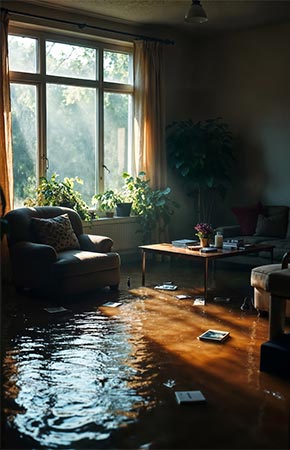
Time is not on your side after a flood. The longer water sits, the more damage it causes. Within hours, moisture seeps into drywall, wood, and insulation. Within days, mold begins to grow.
Structural Risks After Flooding
Water weakens foundations, warps wood, and corrodes metal. If flood restoration for homes is delayed, structural integrity may be compromised, leading to costly repairs or even making the home unsafe to live in.
Health Hazards and Mold Growth
Standing water becomes a breeding ground for bacteria, mold, and fungi. Mold spores can spread quickly, triggering allergies and respiratory issues. That’s why professional flood restoration for homes focuses heavily on drying and decontamination.
Step-by-Step Flood Restoration for Homes Process
Flood restoration for homes follows a systematic and proven process designed to minimize damage and restore safety.
Initial Damage Assessment
Professionals begin by inspecting the affected areas, identifying water category, and determining the extent of damage. This step helps create a clear restoration plan.
Safety Checks Before Entering
Electricity, gas leaks, and structural stability must be checked before entering a flooded home. Safety always comes first in flood restoration for homes.
Water Extraction and Drying
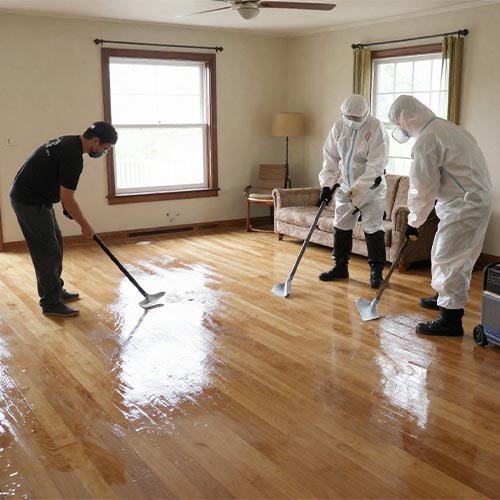
High-powered pumps and vacuums are used to remove standing water. Industrial-grade dehumidifiers and air movers then dry the area completely.
Professional Equipment Used
Moisture meters, infrared cameras, and commercial drying systems ensure hidden moisture is detected and eliminated. This is where professional flood restoration for homes truly makes a difference.
Cleaning, Sanitizing, and Deodorizing
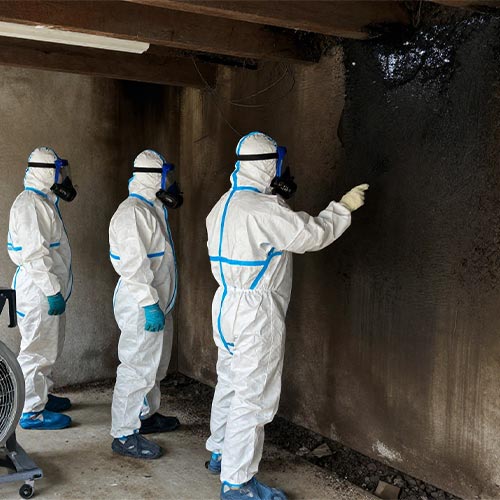
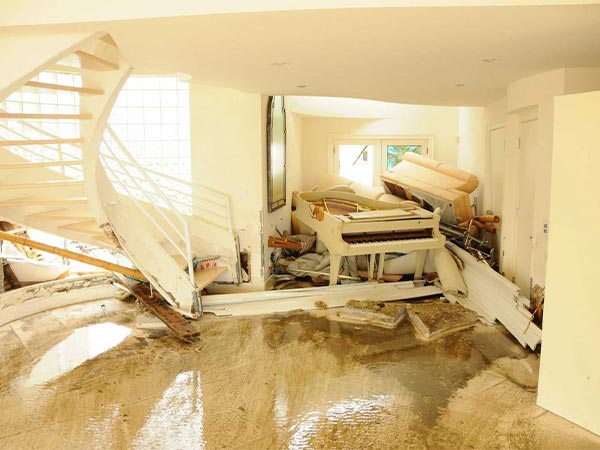
Once dry, all affected surfaces must be cleaned and disinfected. This step removes bacteria, odors, and mold spores.
Preventing Mold and Bacteria
Antimicrobial treatments are applied to prevent future growth. Flood restoration for homes isn’t complete until the environment is safe and hygienic again.
Repair, Reconstruction, and Final Restoration
This phase restores the home to its pre-flood condition—or better.
Restoring Walls, Floors, and Electrical Systems
Damaged drywall, flooring, insulation, and wiring are repaired or replaced. Professional flood restoration for homes ensures all repairs meet safety standards and building codes.
DIY vs Professional Flood Restoration for Homes
Some homeowners consider DIY cleanup to save money. However, this approach can be risky.
When DIY Is Risky
Without proper equipment and knowledge, hidden moisture and contamination can be missed. In most cases, professional flood restoration for homes saves money in the long run by preventing recurring damage.
Cost of Flood Restoration for Homes
Costs vary based on severity, water type, and affected areas. Minor flooding may cost a few thousand dollars, while severe cases can reach tens of thousands.
Insurance Coverage Explained
Standard homeowners insurance usually doesn’t cover floods, but flood insurance does. It’s important to document damage thoroughly. For more details, you can refer to FEMA’s official flood resource guide .
Choosing a Reliable Flood Restoration Company
Look for certified professionals with experience, transparent pricing, and positive reviews. A trusted company will explain each step of the flood restoration for homes process clearly and honestly.
Preventive Measures to Protect Homes from Future Floods
Installing sump pumps, improving drainage, sealing foundations, and maintaining plumbing can significantly reduce flood risk. Prevention is always cheaper than flood restoration for homes.
Conclusion
Flood restoration for homes is a complex but essential process that protects your property, health, and peace of mind. Acting quickly, choosing experienced professionals, and understanding each step can make recovery smoother and more effective. With the right approach, even severe flood damage can be reversed, allowing homeowners to rebuild stronger and safer than before.
For more ideas and guidance, follow us on Instagram.
Frequently Asked Questions (FAQs)
1. How long does flood restoration for homes take?
It usually takes 3–7 days for drying, with repairs extending the timeline depending on damage.
2. Can I stay in my home during restoration?
Minor cases, yes. Severe flooding often requires temporary relocation.
3. Does flood restoration remove mold completely?
Yes, when done professionally with proper sanitization and drying.
4. Is flood restoration for homes covered by insurance?
Only if you have flood insurance or specific endorsements.
5. What should I do immediately after a flood?
Ensure safety, stop water source if possible, and contact a flood restoration professional.
6. How can I prevent mold after flooding?
Quick drying, dehumidification, and antimicrobial treatment are essential.