


Fire Damage Home Restoration: 10 Essential Steps to Recover Your Property
Experiencing a fire is devastating, leaving homeowners in shock and uncertainty. Fire damage home restoration isn’t just about fixing what’s visibly burned—it’s about addressing hidden threats, securing your property, and ensuring safety for the long term. This guide will walk you through ten essential steps to recover effectively from fire damage, incorporating professional insights and practical advice.
Transform Your Space with BUILPIRE – Book Your Consultation Today!
Understanding Fire Damage
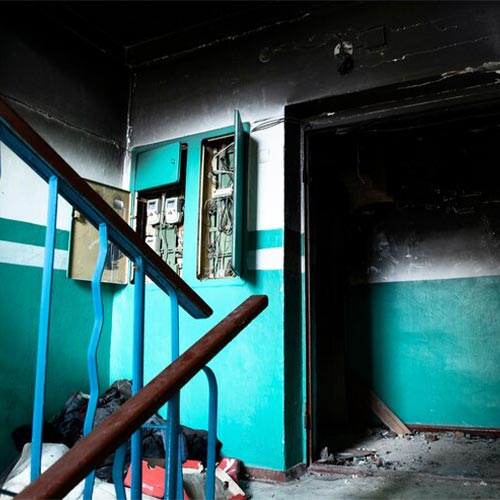
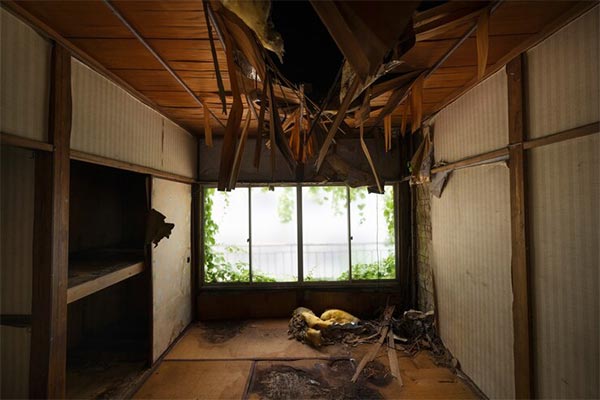
Fire damage comes in multiple forms: structural destruction, smoke, soot, and water damage from firefighting efforts. Structural damage compromises walls, floors, and ceilings, sometimes rendering a home unsafe. Smoke and soot leave lingering odors, discoloration, and potential health hazards. Water damage can cause mold growth and weaken materials. Understanding these distinctions ensures proper prioritization during restoration.
Immediate Safety Measures After Fire
Safety is paramount. Immediately after a fire:
-
Evacuate and avoid re-entering until authorities declare it safe.
-
Wear protective gear—masks, gloves, sturdy boots.
-
Check for hazards like gas leaks, exposed wiring, or structural instability.
-
Contact emergency services if needed.
-
Document the scene with photos or videos for insurance purposes.
These steps minimize risk and provide evidence for claims.
Assessing the Extent of Damage
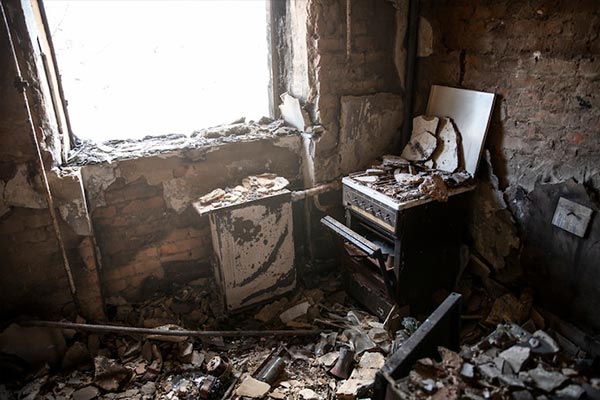
A thorough assessment is critical. Evaluate:
-
Structural damage to floors, walls, and roof
-
Smoke and soot coverage
-
Water intrusion and potential mold
-
Personal belongings and salvageable items
Use a checklist to categorize damages. Professional inspectors can uncover hidden structural weaknesses, often invisible to untrained eyes.
Tip: Keep detailed notes and photographic evidence; insurance companies rely on precise documentation.
Contacting Your Insurance Company
Promptly notify your insurance provider. Key steps:
-
File a claim immediately.
-
Submit all damage documentation.
-
Understand policy coverage: structural, personal property, temporary living expenses.
-
Schedule an adjuster visit.
Being organized accelerates your claim approval and ensures maximum coverage.
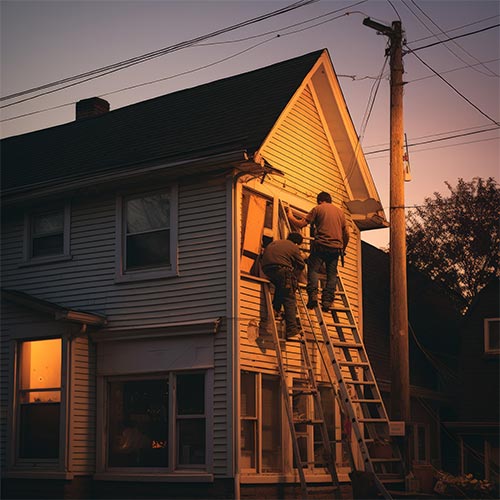
Securing the Property
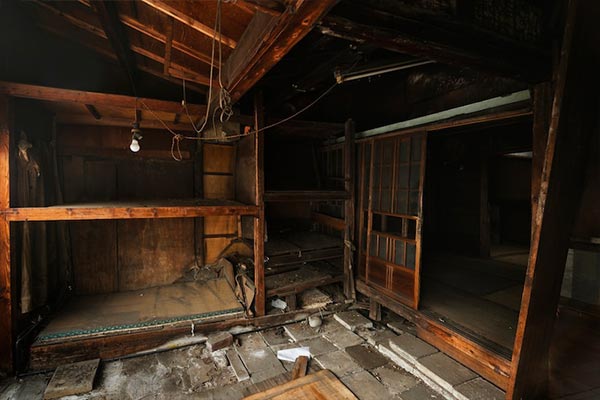
Prevent further loss by:
-
Boarding up broken windows and doors
-
Installing temporary fencing
-
Locking gates and securing entrances
-
Installing temporary tarps to cover exposed areas
Security reduces risk of theft, vandalism, and weather-related damage during restoration.
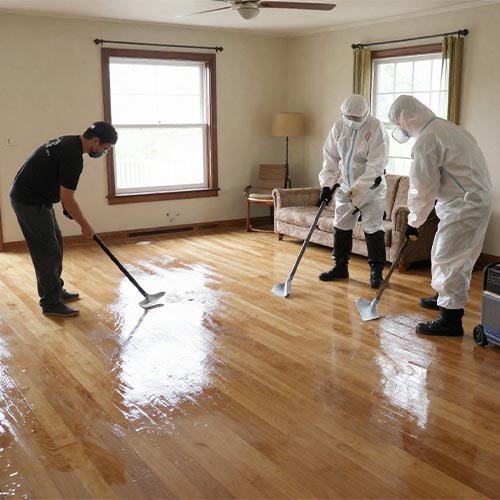
Water Damage Mitigation
Firefighting efforts often cause water damage. Steps to mitigate:
-
Remove standing water using pumps or wet vacs
-
Use dehumidifiers and fans to dry affected areas
-
Check for mold and mildew growth
-
Dispose of water-damaged materials like drywall or carpet
Prompt action prevents long-term damage and maintains air quality.
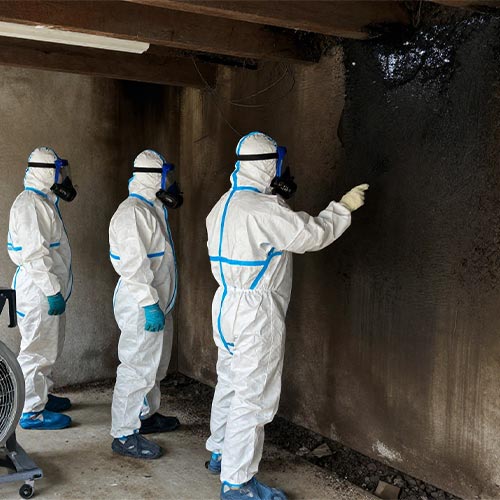
Smoke and Soot Cleanup
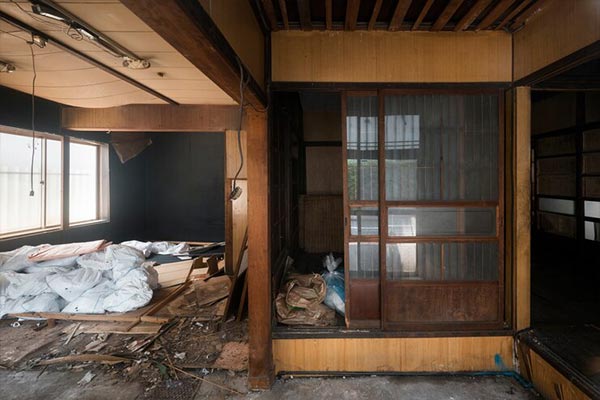
Smoke and soot are corrosive and hazardous. Cleanup involves:
-
Wearing protective masks and gloves
-
Dry-cleaning surfaces with specialized chemical cleaners
-
Removing soot from walls, ceilings, and floors
-
Washing or replacing affected fabrics and furniture
Smoke damage can persist if not addressed professionally, causing odors and health risks.
Salvaging Belongings
Sort belongings into three categories:
-
Restore: Items that can be cleaned or repaired
-
Replace: Items beyond repair but valuable for insurance
-
Discard: Irreparably damaged or unsafe items
Professional restoration services can often save electronics, documents, and furniture that appear destroyed.
Structural Repairs
Structural repair includes:
-
Replacing damaged walls, floors, and ceilings
-
Roof reconstruction
-
Repainting and refinishing surfaces
Certified contractors ensure safety standards are met and prevent hidden hazards like weak beams or unstable flooring.
Electrical and Plumbing Restoration
Fire can damage wiring and plumbing:
-
Inspect all electrical systems before reconnecting power
-
Replace burned wires or damaged panels
-
Check plumbing for leaks, corrosion, or blockage caused by heat
Electrical safety is critical to prevent future hazards.
Odor Removal and Air Quality Restoration
Lingering smoke odors affect indoor air quality. Effective methods:
-
Ozone generators or hydroxyl treatment
-
HEPA air filtration systems
-
Cleaning HVAC ducts and replacing filters
-
Professional deodorization services
Good ventilation accelerates odor removal and improves habitability.
Hiring Professional Fire Restoration Services
Professional restoration companies:
-
Offer 24/7 emergency response
-
Provide comprehensive cleaning and reconstruction
-
Handle insurance claims and documentation
-
Use specialized equipment and trained staff
Check reviews, certifications, and insurance before hiring.
(External Link: National Fire Protection Association – Guidelines for fire safety and restoration.)
DIY vs Professional Restoration
While minor cleanup may be DIY-friendly, full-scale fire damage restoration often requires experts. Consider:
| Factor | DIY | Professional |
|---|---|---|
| Safety | Moderate risk | High safety standards |
| Cost | Low upfront | Higher, but insurance may cover |
| Time | Long | Faster, efficient |
| Equipment | Basic | Specialized machinery and chemicals |
| Quality | Limited | High, guaranteed results |
Preventive Measures for Future Fires
Preventive strategies:
-
Install and maintain fire alarms
-
Use fire-resistant building materials
-
Plan emergency exits
-
Store flammable items safely
-
Maintain electrical systems
Prevention reduces risk and protects investment.
Conclusion
Fire damage home restoration is a complex, multi-step process. By understanding the types of damage, prioritizing safety, securing property, and hiring qualified professionals, homeowners can efficiently recover. Prevention measures and proactive planning further safeguard against future incidents, ensuring both safety and peace of mind.
For more ideas and guidance, follow us on Instagram.
FAQs About Fire Damage Home Restoration
How long does fire restoration take?
Typically 1–3 months depending on damage severity.
Does insurance cover all fire damage costs?
Coverage varies; consult your policy for structural and personal property limits.
Can smoke odors be completely removed?
Yes, professional deodorization and air purification usually eliminate persistent odors.
Is it safe to re-enter a fire-damaged home immediately?
No, only after authorities declare it structurally safe.
Can water-damaged materials be restored?
Some items like wood, metal, and electronics may be salvageable; others must be replaced.
Do I need a contractor for minor smoke damage?
Small, localized damage might be DIY-friendly, but professional assessment is recommended.