


Why Exterior Home Restoration Matters More Than You Think?
The exterior of a home is the first thing people see.
Before anyone steps inside, they already form an opinion.
Exterior home restoration is not just about looks.
It directly affects property value, structural durability, and long-term maintenance costs.
In many Iranian cities, homes face harsh sunlight, dust, temperature swings, and air pollution.
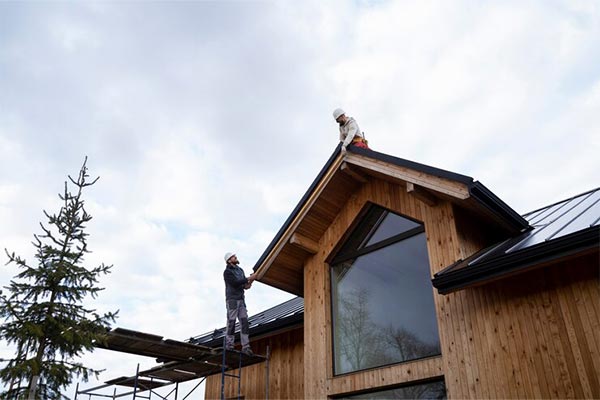
Over time, these factors wear down facades, siding, paint, and exterior finishes.
Restoring the exterior is often more cost-effective than rebuilding or selling at a lower price.
Transform Your Space with BUILPIRE – Book Your Consultation Today!
What Is Exterior Home Restoration?
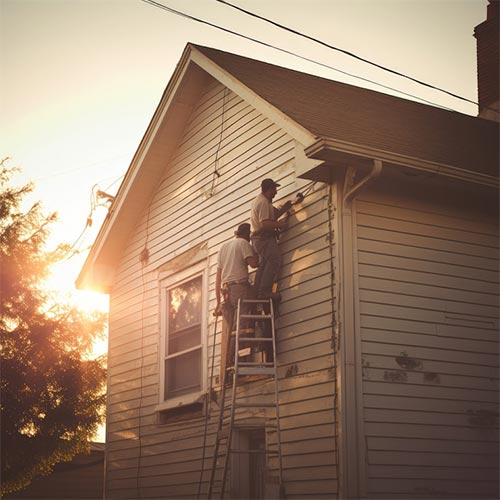
Exterior home restoration focuses on repairing, renewing, and upgrading the outer parts of a residential building without changing its original structure.
It typically includes:
-
Exterior house repair
-
Home exterior renovation
-
Exterior siding restoration
-
Exterior building refurbishment
-
Residential exterior repair
Unlike cosmetic repainting, restoration targets both function and appearance.
Key Signs Your Home Exterior Needs Restoration
Visible Cracks and Surface Damage
Small cracks in walls or facade panels often indicate deeper structural stress or moisture issues.
Faded or Peeling Paint
Strong UV exposure in Iran causes exterior paint to degrade faster than expected.
Water Stains or Damp Patches
These usually signal insulation failure or exterior leakage.
Loose or Damaged Siding
Whether stone, cement board, or composite, damaged siding reduces both safety and curb appeal.
Rising Energy Bills
Poor exterior insulation allows heat to escape in winter and enter in summer.
Step-by-Step Exterior Home Restoration Process
Step 1: Exterior Assessment and Diagnosis
A professional inspection identifies hidden issues such as moisture infiltration or material fatigue.
This step prevents unnecessary expenses later.
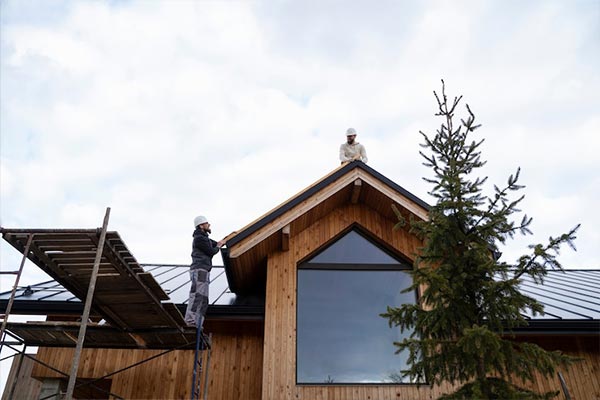
Step 2: Structural and Exterior House Repair
This stage focuses on safety and durability.
Typical residential exterior repairs include:
-
Crack sealing and masonry repair
-
Concrete patching
-
Reinforcement of weakened facade elements
Skipping this step often leads to recurring damage.
Step 3: Exterior Siding Restoration
Siding protects the building from weather and pollution.
Common siding materials in Iran include:
-
Stone cladding
-
Cement fiber boards
-
Traditional brick facades
Restoration may involve cleaning, partial replacement, or reinforcement rather than full removal.
Step 4: Surface Preparation and Protection
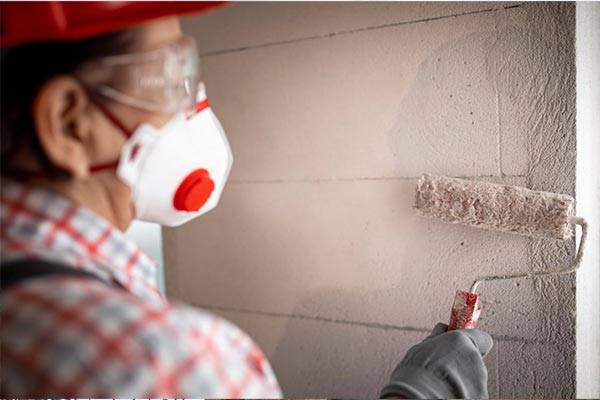
Before renovation, surfaces must be cleaned, leveled, and sealed.
This improves adhesion and ensures long-lasting results.
Step 5: Home Exterior Renovation and Finishing
This is where visual transformation happens.
Options include:
-
Weather-resistant exterior paints
-
Decorative facade coatings
-
Modern textures or traditional finishes
The goal is balance, not overdesign.
How Exterior Building Refurbishment Increases Property Value
Real estate professionals consistently report that exterior upgrades deliver one of the highest ROI among renovation projects.
Benefits include:
-
Stronger first impression
-
Higher buyer trust
-
Faster sale or rental
-
Reduced negotiation pressure
In urban Iranian markets, well-maintained exteriors stand out sharply.
Choosing the Right Materials for Iranian Climate
Heat-Resistant Coatings
Essential for southern and central regions.
Breathable Facade Systems
They reduce moisture buildup and wall damage.
Dust-Repellent Finishes
Ideal for high-traffic or industrial areas.
Material selection should always match local climate conditions.
Common Mistakes to Avoid in Exterior Restoration
Focusing Only on Appearance
Ignoring structural repairs leads to repeated costs.
Using Low-Quality Materials
Cheaper options often fail within a few years.
Poor Contractor Selection
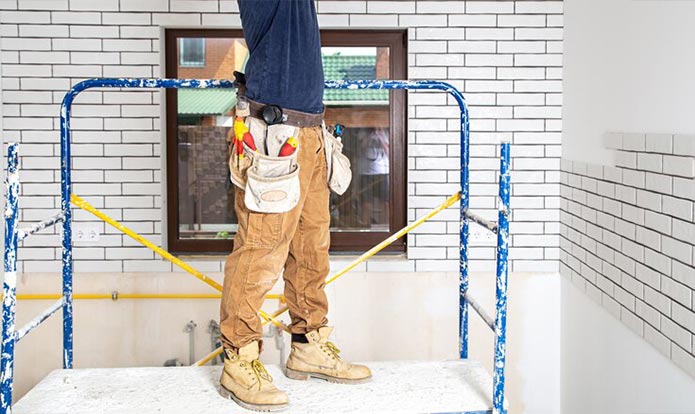
Exterior restoration requires experience, not just tools.
Over-Renovating
Design should respect the building’s original character.
Practical Example: A Typical Residential Exterior Repair
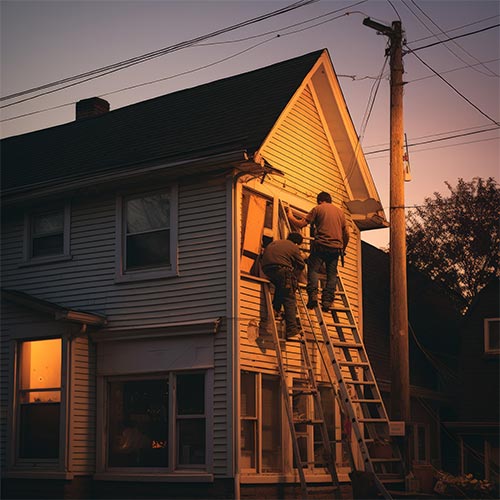
A two-story home in Tehran showed facade cracks and faded paint.
Instead of full reconstruction:
-
Cracks were sealed and reinforced
-
Stone siding was partially restored
-
Exterior insulation was improved
-
High-quality mineral paint was applied
Result:
Lower energy bills, improved appearance, and increased market value.
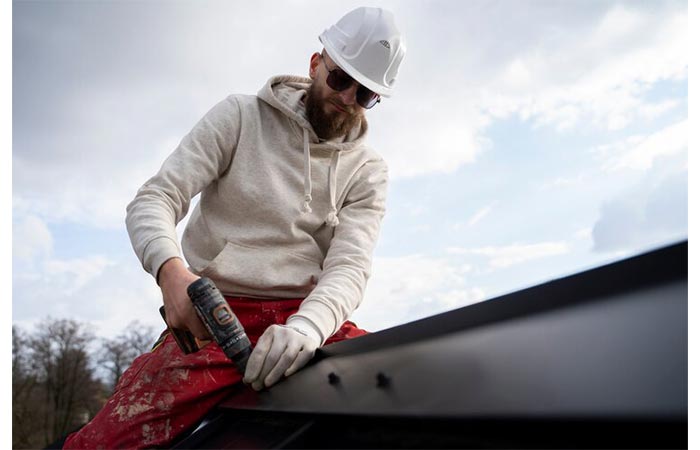
Exterior Home Restoration vs. Full Renovation
| Aspect | Restoration | Full Renovation |
|---|---|---|
| Cost | Lower | Higher |
| Time | Shorter | Longer |
| Structural Change | Minimal | Significant |
| ROI | High | Variable |
For most homeowners, restoration offers the smarter path.
For more ideas and guidance, follow us on Instagram.
Final Thoughts
Exterior home restoration is a strategic investment, not a cosmetic expense.
When done correctly, it:
-
Protects your home
-
Enhances curb appeal
-
Increases property value
-
Reduces future repair costs
If your home exterior shows early signs of damage, addressing them now saves far more later.
Frequently Asked Questions (FAQ)
How long does exterior home restoration take?
Most projects take 2 to 6 weeks, depending on damage level and materials used.
Is exterior restoration cheaper than repainting?
Not always cheaper upfront, but far more durable and cost-effective long-term.
Can exterior restoration improve insulation?
Yes. Many restoration projects include insulation upgrades.
How often should exterior siding be restored?
Typically every 10–15 years, depending on material and climate exposure.
Do I need permits for exterior building refurbishment?
In many Iranian cities, facade changes may require municipal approval.