




Does Home Insurance Cover Water & Fire Damage?
Home insurance protects your home against unexpected events, but the details of what’s covered—especially when it comes to water and fire damage—can be confusing. Let’s break it all down so you know exactly what your policy helps with and where you might need extra coverage.
Transform Your Space with BUILPIRE – Book Your Consultation Today!
Understanding How Home Insurance Works
What Is Standard Home Insurance?
A standard home insurance policy (HO-3 for most homeowners) covers your home, personal belongings, and liability if someone gets hurt on your property. Most importantly, it protects you from sudden and accidental damage—meaning anything unexpected and unintentional.
Key Components of Coverage
-
Dwelling coverage: Repairs to the structure of your home
-
Personal property: Furniture, electronics, clothing, etc.
-
Liability: Injuries or property damage to others
-
Additional Living Expenses: Hotel stays, meals, and more if you must leave your home temporarily
Common Misconceptions About Home Insurance
Many homeowners believe all water or fire damage is covered. Unfortunately, this isn’t true. Policies have limits, exclusions, and special rules you must understand to avoid surprises.
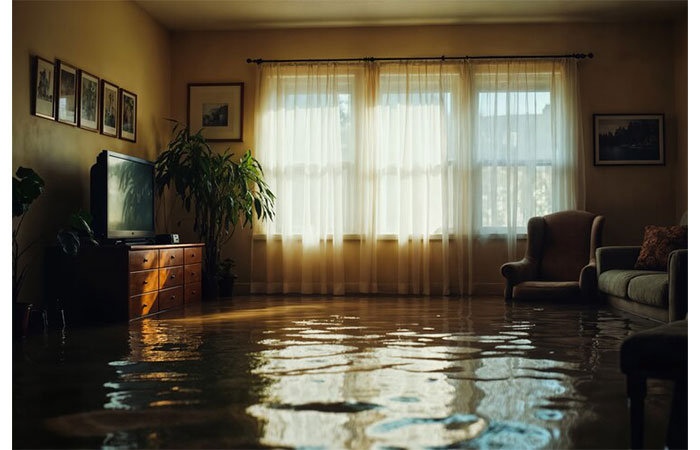
Types of Water Damage Covered by Home Insurance
Not all water damage is treated equally. Insurance covers only specific situations.
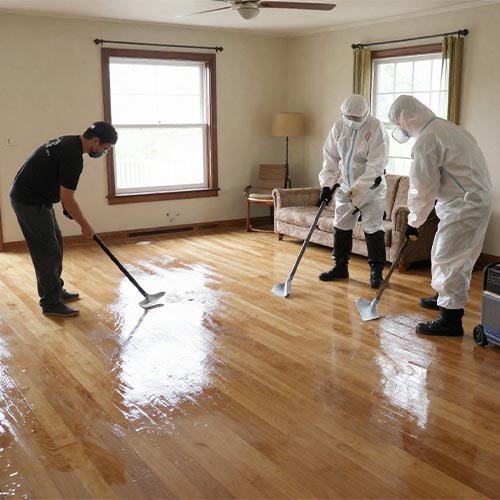
Sudden and Accidental Water Damage
This includes events like:
-
A pipe bursting unexpectedly
-
A sudden leak causing ceiling collapse
-
An accidental overflow
If it happens quickly and wasn’t preventable, you’re likely covered.
Burst Pipes and Plumbing Failures
Cold weather, pressure buildup, or aging pipes may cause sudden bursts. Home insurance typically covers both the resulting water damage and necessary repairs to walls, floors, and ceilings.
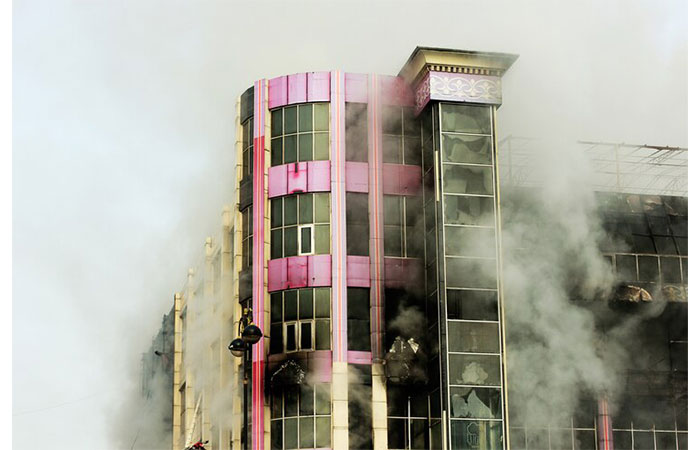
Appliance Malfunctions
If your dishwasher, washing machine, or water heater fails unexpectedly and floods your home, the resulting damage is usually covered.
Wind-Driven Rain
If wind breaks a window or damages the roof, allowing rain to enter, insurance often covers the water damage.
Water Damage That Is NOT Covered
Flood Damage
Water entering from outside—like rising rivers, overflowing lakes, or heavy rain pooling—is not covered. You need separate flood insurance.
Sewer Backup (Without Endorsement)
Sewer or drain backups require an added endorsement to be covered.
Long-Term Leaks and Neglect
If insurance finds that the issue happened over weeks or months, the claim will likely be denied.
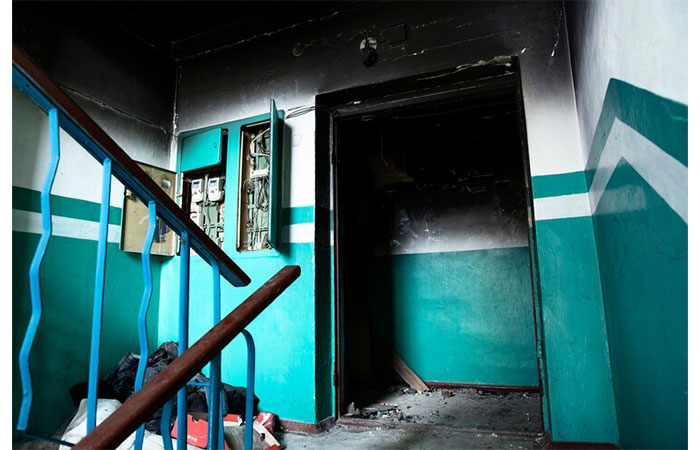
Does Home Insurance Cover Fire Damage?
Good news—fire damage is one of the most comprehensively covered events in home insurance.
What Kind of Fire Damage Is Covered?
Most policies cover:
-
Electrical fires
-
Kitchen fires
-
Wildfires
-
Fireplace-related incidents
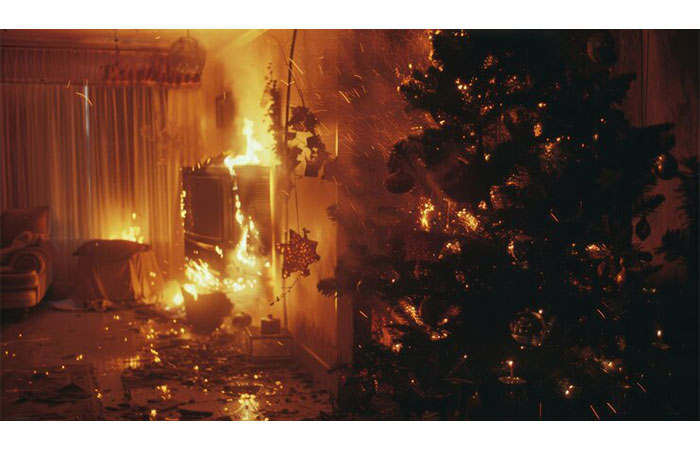
It doesn’t matter where the fire started—if it wasn’t intentional, you’re covered.
Smoke Damage Coverage
Smoke can ruin furniture, clothing, walls, and HVAC systems. Home insurance covers this cleanup as well.
Damage from Firefighting Efforts
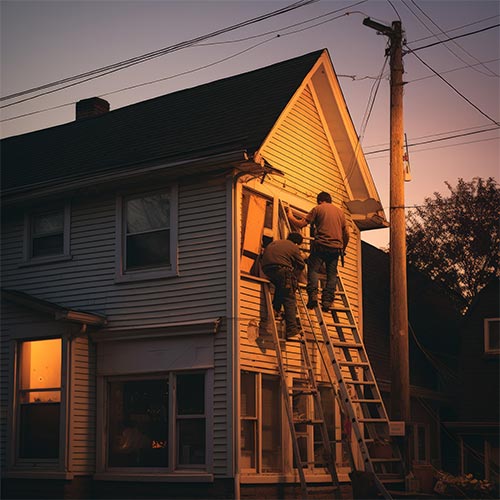
Water from firefighters, broken windows, and structural damage caused while stopping the fire are all included.
Total Loss and Rebuilding Costs
If your home is completely destroyed, the insurer may pay:
-
Replacement cost (rebuild at today’s prices)
-
Actual cash value (rebuild minus depreciation)
Additional Coverages Related to Water and Fire
Personal Property Coverage
Covers belongings damaged by water or fire—clothes, furniture, electronics, etc.
Additional Living Expenses (ALE)
If your home becomes uninhabitable, ALE pays for:
-
Hotels
-
Restaurants
-
Laundry
-
Transportation
Liability Coverage
If fire or water damage extends to a neighbor’s property (like a burst pipe flooding their unit), liability may cover the repairs.
Situations Where Claims Are Denied
Lack of Maintenance
Insurers expect homeowners to maintain their homes. Old roofs, failing pipes, and ignored leaks can lead to denied claims.
Intentional Damage
Any purposeful act is automatically excluded.
Unreported Issues
If you noticed a leak but didn’t report it promptly, insurance may push back.
How to File a Water or Fire Damage Claim
Documenting the Damage
Take photos, videos, and notes. The more detailed, the better.
Contacting Your Insurer
Report the incident as soon as possible. Early reporting speeds up the process.
Working With Adjusters
An adjuster will visit your home, assess the damage, and estimate costs.
Preventing Future Losses
Fix underlying issues (like old plumbing or faulty wiring) to avoid repeat damage.
Tips for Ensuring Maximum Coverage
Review Your Policy Regularly
Policies change annually. Review your limits and exclusions.
Add Endorsements if Necessary
Consider:
-
Sewer backup coverage
-
Flood insurance
-
Extended replacement cost
Keep Up With Home Maintenance
Routine inspections limit issues and strengthen claim approval.
Final Thoughts
Home insurance does cover most water and fire damage—but only under specific conditions. Sudden and accidental damage is usually protected, while neglect, floods, and sewer backups often are not. Understanding your policy’s limitations helps ensure you aren’t caught off guard during an emergency.
For more ideas and guidance, follow us on Instagram.
FAQs
1. Does insurance cover mold from water damage?
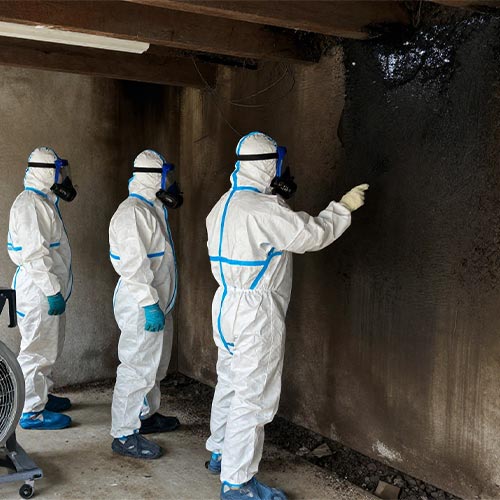
Only if the mold was caused by covered sudden water damage.
2. Will my rates increase after a water or fire claim?
Usually yes, but it depends on your insurer and claim history.
3. Does renters insurance cover water and fire damage?
Yes, it covers personal belongings but not the building structure.
4. Are wildfires fully covered under home insurance?
Yes, unless you’re in a high-risk area requiring extra coverage.
5. Does insurance cover electrical fires?
Yes, as long as the fire wasn’t caused by negligence or code violations.