









Common Mistakes in Home Renovation: What Homeowners Should Know Before They Start
A home renovation can improve your home’s comfort, functionality, appearance, and long-term value—but only when the project is planned carefully. Many renovation problems begin before construction even starts, from unrealistic budgets and unclear project scopes to rushed design decisions and choosing the wrong contractor. Understanding the most common home renovation mistakes can help homeowners make better decisions, avoid preventable costs, and create a smoother remodeling experience from planning through completion.
Key Takeaways: How to Avoid Common Home Renovation Mistakes
A successful home renovation starts long before construction begins. The biggest problems usually come from poor planning, unclear expectations, unrealistic budgets, and decisions made too quickly.
- Set a realistic budget and account for unexpected project conditions.
- Define the project scope clearly before construction begins.
- Compare qualified contractors based on experience, credentials, scope, and value—not price alone.
- Confirm applicable permits and local requirements before starting work.
- Address structural, electrical, plumbing, HVAC, moisture, and other underlying issues before cosmetic upgrades.
- Choose durable materials based on performance, maintenance, and long-term needs.
- Consider energy efficiency as part of the home’s overall building system.
- Allow enough time for planning, design, material selection, permitting, and construction.
- Communicate clearly with your remodeling team and document important project decisions.
- Plan the renovation around both your current lifestyle and future needs.
The goal of a successful renovation is not simply to create a more attractive home. It is to improve the way the home functions, performs, and supports your lifestyle while minimizing avoidable costs, delays, and surprises.
Transform Your Space with BUILPIRE – Book Your Consultation Today!
Common Mistakes in Home Renovation and How to Avoid Them
Underestimating the Budget
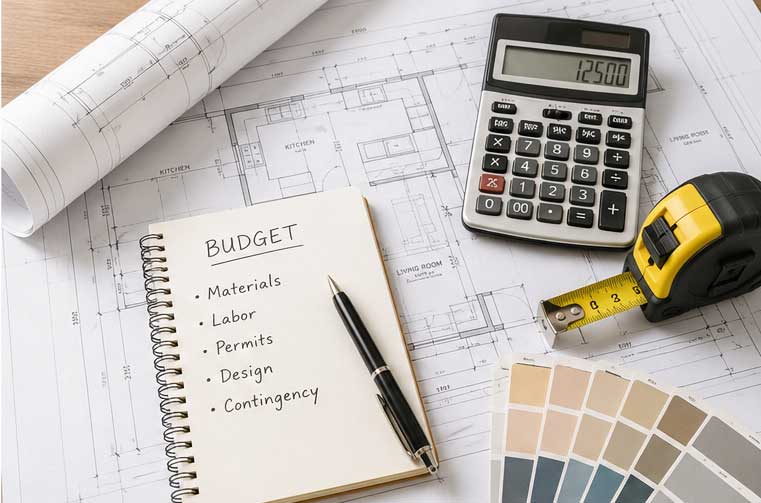
One of the most common mistakes in home renovation is setting an unrealistic budget. Many homeowners fail to account for hidden costs, such as structural repairs, permit fees, or material shortages. Always include a contingency fund of at least 20% of your total budget to cover unexpected expenses.
Additionally, homeowners should compare multiple quotes before deciding on a contractor. A single quote may not provide a full picture of potential expenses, leading to budget overruns. Financial planning apps and spreadsheets can help keep track of costs.
Choosing the Wrong Contractors
Hiring the cheapest contractor without verifying credentials is a common mistake in home renovation. Always check reviews, ask for references, and ensure that your contractor is licensed and insured. A poorly done job can cost more in repairs later.
It is advisable to interview multiple contractors before making a decision. Look for those with experience in similar projects and ask about their approach to timelines, project scope, and potential challenges.
Before hiring a remodeling contractor, do more than compare prices. The FTC recommends checking licensing and insurance, reviewing references, getting multiple written estimates, and carefully reviewing the contract before signing. A lower bid is not necessarily the better value if it leaves important work, materials, or protections out of the scope.
Ignoring Permits and Regulations
Skipping permits might seem like a shortcut, but it can lead to hefty fines or even forced removal of completed work. Check with your local building authority to ensure compliance with zoning laws and safety codes.
Failing to obtain permits can also make selling the property more difficult. Future buyers may request documentation proving that renovations were done legally and up to code.
Permit and inspection requirements can vary depending on the type and location of your renovation. For homeowners in Santa Ana, it is important
to confirm applicable requirements with the City of Santa Ana before construction begins. Depending on the project, plans, zoning requirements, building codes, and other local regulations may need to be reviewed before a permit can be issued.
Official source: City of Santa Ana – Planning & Building Agency
Poor Space Planning
Failing to plan space efficiently is another common mistake in home renovation. A well-thought-out layout enhances functionality and comfort. Consult with a designer to maximize your space’s potential.
Consider practical details, such as furniture placement, traffic flow, and storage needs. Overcrowding a room with oversized furniture can make it feel cramped, while insufficient storage may lead to clutter.
Overlooking Structural Issues
Cosmetic upgrades won’t matter if your home has underlying problems like faulty wiring, plumbing leaks, or weak foundations. Always address these concerns before focusing on aesthetics.
A professional home inspection before renovation begins can identify hidden structural issues. Addressing them early prevents costly repairs in the future.
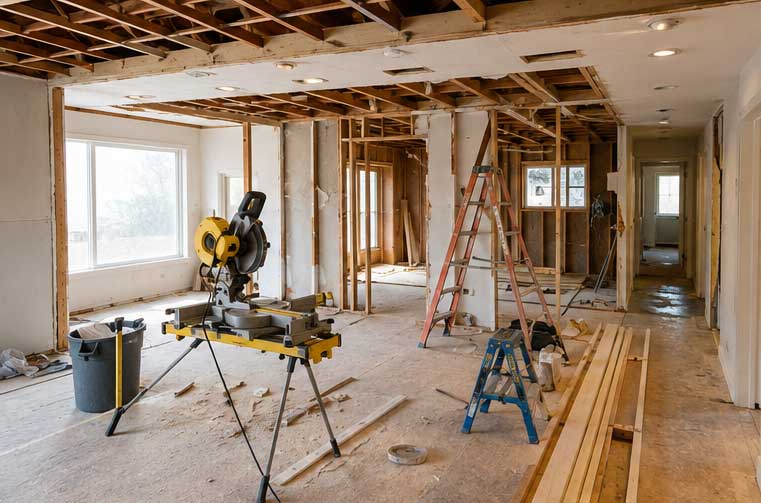
Focusing on Finishes Before Fixing the Home’s Systems
A beautiful renovation can quickly become a costly mistake if the home’s essential systems are not evaluated first. One of the most common planning errors is focusing on paint colors, flooring, cabinets, countertops, and other visible finishes before addressing electrical, plumbing, HVAC, moisture, and structural concerns.
For older homes, this step is especially important. A renovation may expose outdated wiring, deteriorated plumbing, inadequate ventilation, water intrusion, or other conditions that were hidden behind walls and ceilings.
Whenever possible, homeowners should evaluate the condition of major home systems before finalizing cosmetic upgrades. If a wall is going to be opened for a remodel, for example, it may be more practical to inspect or upgrade accessible wiring, plumbing, insulation, or air-sealing details at the same time.
Energy performance should also be considered as part of the renovation strategy. The U.S. Department of Energy recommends looking at the home as an interconnected system rather than treating insulation, air sealing, HVAC, windows, and other components as completely separate upgrades.
This does not mean every renovation requires a complete replacement of every home system. Instead, the goal is to identify problems and opportunities before they become hidden behind new finishes.
A practical renovation sequence may look like this:
- Identify structural or safety concerns.
- Evaluate plumbing, electrical, HVAC, and moisture-related issues.
- Address the building envelope where appropriate.
- Finalize the functional layout.
- Select materials, fixtures, and finishes.
- Complete cosmetic details.
Following this order can help homeowners avoid installing expensive finishes only to remove them later because an underlying problem was discovered.
The best renovation is not simply the one that looks new. It is one where the visible improvements work together with the systems behind the walls to create a home that is comfortable, functional, durable, and appropriate for the homeowner’s long-term needs.
Selecting Low-Quality Materials
While cutting costs on materials might seem like a good idea, it can lead to premature wear and tear. Investing in high-quality, durable materials will save you money in the long run.
Research materials before purchase, considering their longevity, maintenance, and warranty options. High-quality materials enhance both aesthetic appeal and functional value.
Not Thinking About Future Needs
Trendy designs may not always be practical for the long term. Ensure that your renovation choices align with future needs, such as accommodating a growing family or increasing energy efficiency.
Ignoring Energy Efficiency
Energy-efficient choices, like insulation, smart thermostats, and solar panels, may have an upfront cost but lead to long-term savings. Overlooking this is a common mistake in home renovation.
Do not treat insulation as an isolated upgrade. The U.S. Department of Energy recommends considering insulation and air sealing together as part of the home’s overall building envelope. Sealing air leaks before adding insulation can help improve comfort, energy performance, and durability.
Rushing the Renovation
Patience is key when renovating a home. Rushing through decisions often leads to regret. Take time to research, compare options, and consult with professionals.
Treating the Renovation Timeline as a Construction Schedule Only
Many homeowners think of a renovation timeline as the number of weeks or months contractors will spend working inside the house. In reality, a successful renovation involves much more than construction time.
Planning, design development, material selection, permitting, ordering products, contractor scheduling, demolition, construction, inspections, and final installation can all affect the overall timeline.
This is why starting demolition before important decisions have been made can create unnecessary delays. If cabinets, windows, specialty fixtures, appliances, or other long-lead items have not been selected or ordered, construction may reach a point where the project cannot move forward.
Recent Houzz research reinforces the importance of planning. Its 2026 U.S. Houzz & Home Study found that renovation planning can take longer than the construction phase for many projects, particularly kitchens.
Homeowners should therefore ask for more than a simple “completion date.” A useful renovation schedule should identify major project milestones and dependencies.
For example, the schedule may include:
- Initial consultation and project assessment
- Design and layout development
- Material and finish selections
- Permit applications and approvals
- Final scope and contract
- Ordering long-lead materials
- Demolition
- Rough plumbing and electrical work
- Inspections
- Installation of cabinets, flooring, and finishes
- Final walkthrough and corrections
It is also important to understand which parts of the schedule are outside the contractor’s direct control. Permit processing, product availability, weather, inspection timing, and unexpected site conditions can affect a project.
Instead of asking only, “How quickly can you finish my renovation?” homeowners should ask, “What needs to happen before construction can begin, and which factors could affect the schedule?”
A realistic timeline does not guarantee that nothing will change. It gives everyone a clearer framework for managing changes when they occur.
Lack of Communication with Contractors
Clear communication ensures that your vision is executed correctly. Regularly check on progress, provide feedback, and maintain an open dialogue with your contractor.
Failing to Define the Project Scope Before Work Begins
One of the most expensive home renovation mistakes is starting construction before the project scope is clearly defined. A renovation can begin with a simple goal, such as updating a kitchen or opening up a living area, but unclear expectations can quickly lead to additional work, design changes, and unexpected costs.
Before construction begins, homeowners should have a clear understanding of what is included in the project and what is not. The scope should identify the rooms or areas being renovated, major structural changes, materials, finishes, fixtures, appliances, and any known electrical, plumbing, or HVAC work.
It is also important to distinguish between planned work and potential discoveries. Renovation projects can reveal conditions that were not visible before demolition, such as outdated wiring, hidden water damage, or structural deficiencies. These possibilities should be discussed before work begins so homeowners understand how changes may affect the budget and timeline.
A detailed written scope also makes contractor estimates easier to compare. Two proposals may appear similar at first glance but include very different materials, labor, allowances, or exclusions. Comparing the actual scope instead of simply comparing the final price can help homeowners make a more informed decision.
Another common mistake is making major design decisions after construction has already started. Changing cabinet layouts, flooring, lighting locations, plumbing fixtures, or wall configurations during construction can create additional labor and material costs.
The goal is not to eliminate every possible change. Instead, homeowners should make as many major decisions as possible during the planning and design phase. A well-defined scope gives the contractor a clearer roadmap and gives the homeowner a better understanding of what the renovation is expected to deliver.
Before signing a renovation agreement, ask:
- What exactly is included in the project?
- Which materials and finishes are included?
- What items are excluded?
- How will unexpected conditions be handled?
- How are design changes documented and priced?
- What circumstances could change the original schedule?
Clear answers to these questions can reduce misunderstandings and help prevent a renovation from becoming more complicated and expensive than originally planned.

Choosing the Right Partner for Your Renovation
Avoiding these common mistakes in home renovation requires experience and expertise. Builpire, a leading home renovation and interior design company, provides comprehensive solutions to ensure a smooth and successful project. With skilled professionals, high-quality materials, and a commitment to customer satisfaction, Builpire helps homeowners bring their vision to life without costly errors.
For more ideas and guidance, follow us on Instagram.
Frequently Asked Questions About Home Renovation Mistakes
What should I do before starting a home renovation?
Before starting a renovation, define your goals, establish a realistic budget, determine the project scope, evaluate existing structural and mechanical conditions, and identify any applicable permit requirements. You should also finalize major design decisions and understand which materials may have longer lead times. Getting these decisions in place before construction begins can reduce changes, delays, and unexpected costs.
How can I prevent my home renovation from going over budget?
Start with a detailed scope of work rather than relying on a single total price. Get written estimates from qualified contractors, identify allowances and exclusions, and understand how changes will be priced. It is also wise to reserve part of your renovation budget for unexpected conditions. Recent Houzz research found that 37% of homeowners who renovated in 2025 exceeded their initial budgets, showing why realistic planning and scope control are important.
Should I renovate the structure and systems before choosing finishes?
In many projects, yes. Structural concerns, moisture problems, outdated electrical or plumbing systems, HVAC issues, insulation, and air leakage should be evaluated before expensive cosmetic finishes are finalized. If walls or ceilings are already being opened, it may also be an efficient opportunity to inspect or improve accessible systems. The exact priorities depend on the home’s condition and the scope of the renovation.
How do I know if a remodeling contractor is qualified?
Check whether the contractor meets the licensing requirements that apply in your state or local jurisdiction, verify insurance coverage, review references and relevant project experience, and obtain detailed written estimates. The Federal Trade Commission also recommends getting multiple estimates and reading the contract carefully before signing. Avoid choosing a contractor solely because they offer the lowest price.
How long should I expect a home renovation to take?
The timeline depends on the size and complexity of the project, permitting, design decisions, material availability, contractor scheduling, inspections, and unexpected conditions. The renovation timeline should include both planning and construction rather than focusing only on the time workers spend on site. For this reason, homeowners should ask for a project schedule with major milestones and identify potential factors that could affect completion.