







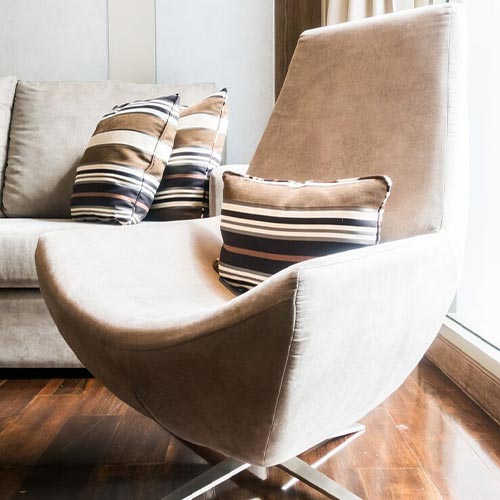
How to Choose Furniture That Matches Modern Interiors
When it comes to choosing furniture for modern homes, every detail matters — from the color palette to the textures and shapes that define your living space. Modern interior design thrives on simplicity, functionality, and elegance. It’s not just about filling your home with stylish pieces; it’s about creating harmony between design and purpose. Many homeowners today face the challenge of choosing furniture for modern homes that aligns with their lifestyle while maintaining an aesthetic balance.
In modern spaces, furniture should not only serve its function but also reflect the architectural and visual philosophy of the interior. Minimalist lines, neutral colors, and clever use of materials are essential characteristics of contemporary design. The process of choosing furniture for modern homes becomes easier when you understand the principles that guide modern décor — clean geometry, open layouts, and thoughtful lighting.
Transform Your Space with BUILPIRE – Book Your Consultation Today!
Whether you live in a compact apartment or a spacious house, choosing furniture for modern homes requires attention to proportion, practicality, and the feeling you want to create. A well-chosen piece can transform an ordinary room into a modern masterpiece. Many interior designers emphasize that the key to modern elegance is balance — not too cluttered, not too empty, but perfectly coordinated.
To make your space functional yet visually appealing, consider pieces that serve multiple purposes. For instance, a sleek coffee table with hidden storage or modular sofas that can be reconfigured offer flexibility and practicality — key aspects of choosing furniture for modern homes. As technology integrates more into our living spaces, smart furniture options are also becoming popular in modern interiors, blending innovation with design.
Ultimately, the art of choosing furniture for modern homes lies in understanding how each piece interacts with the architecture and atmosphere of your house. It’s about creating an environment that feels both timeless and contemporary — one that reflects who you are while embracing the elegance of simplicity.
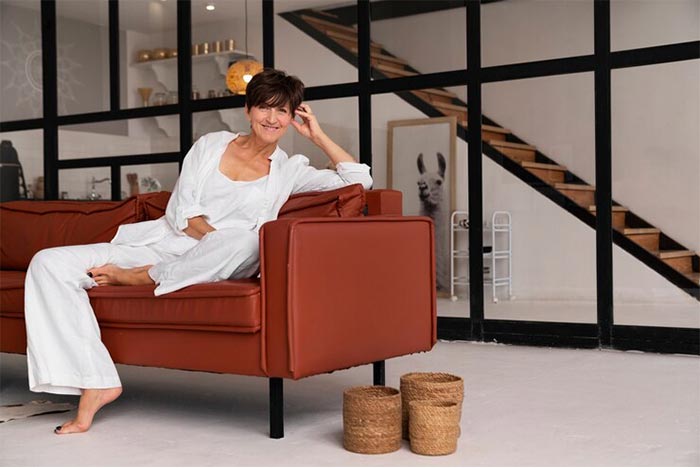
1. Understand the Core Principles of Modern Design
Before selecting any furniture, you need to understand what defines modern interior design. Clean lines, smooth surfaces, and an emphasis on functionality are essential. Avoid overly decorative or bulky items, as modern interiors prioritize simplicity and open space.
Neutral tones like white, beige, gray, or black dominate modern palettes, but accents of color — such as bold blues, greens, or metallics — can bring life to a room. Materials such as glass, steel, and light wood are commonly used. Keeping these elements in mind helps when choosing furniture for modern homes that complements the architectural theme.
2. Focus on Functionality
In modern interiors, every piece of furniture should have a purpose. A sofa should be comfortable but also proportional to the size of the room. Tables, chairs, and storage units should provide utility without crowding the space.
When choosing furniture for modern homes, think about how each item will be used daily. Avoid purchasing items purely for their looks — modern design values function as much as aesthetics.
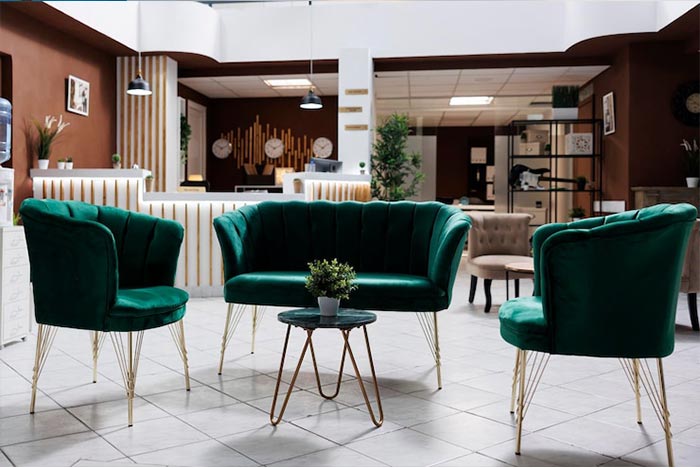
3. Embrace Minimalism and Open Space
A defining feature of modern interiors is minimalism. The fewer unnecessary objects, the better. Large, empty spaces allow furniture to stand out and give rooms a calm, organized feel.
When choosing furniture for modern homes, prioritize fewer, high-quality pieces rather than many low-quality items. This approach creates a refined, cohesive look.
4. Choose Complementary Colors and Textures
Balance is key. Mix hard and soft textures — for example, pair a steel-framed table with a soft fabric chair or a wooden console with a glass top. When choosing furniture for modern homes, focus on neutral base tones and add small color accents through cushions, rugs, or artwork.
5. Pay Attention to Proportions
Even the most beautiful piece can look out of place if its proportions don’t match the room. A massive sectional sofa may overwhelm a small living area, while too-small furniture might make a large room look empty.
When choosing furniture for modern homes, always measure your space and plan furniture layout before purchasing.
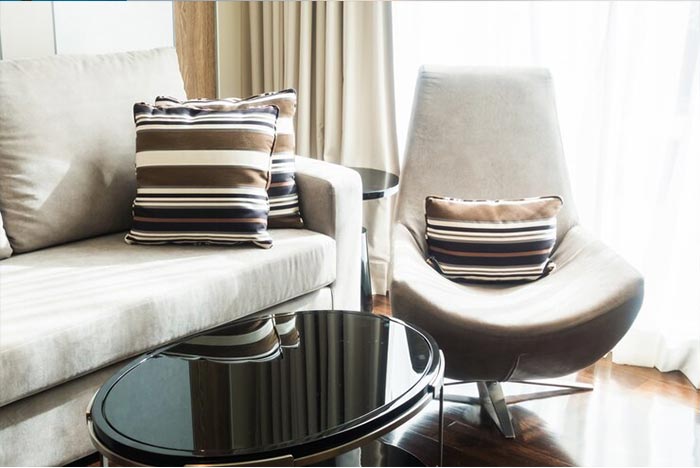
6. Mix Modern with Timeless Pieces
Although modern interiors favor contemporary designs, blending in a few classic or vintage elements can add character and depth. A mid-century modern chair or an antique wooden table can become a statement piece in an otherwise minimalist space.
This combination works well when choosing furniture for modern homes because it creates visual interest without sacrificing harmony.
7. Integrate Smart and Sustainable Furniture
Sustainability is a growing trend in modern design. Many homeowners are now choosing furniture for modern homes made from recycled materials or sourced from eco-friendly brands.
Smart furniture — like adjustable desks or lighting-responsive tables — is also transforming modern living, offering a perfect blend of technology and style.
8. Lighting Complements Your Furniture
Lighting plays a major role in how your furniture looks and feels. Modern interiors often use recessed lighting, pendant lamps, or LED accents to highlight design features.
When choosing furniture for modern homes, consider how your lighting setup will enhance materials, textures, and overall ambiance.
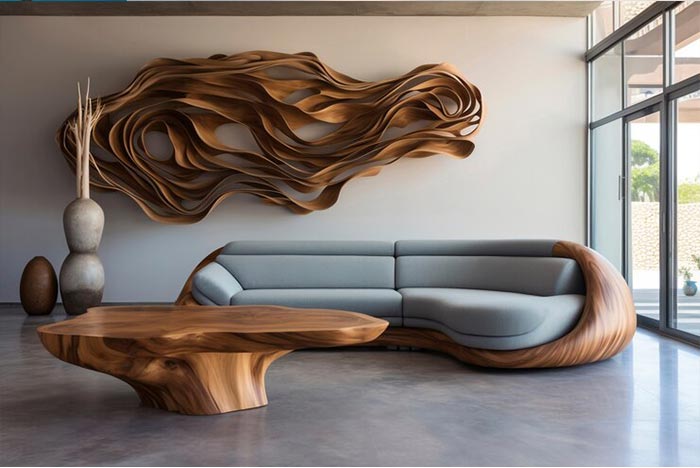
9. Balance Comfort and Aesthetics
While design matters, comfort should never be overlooked. Choose ergonomic chairs, soft cushions, and supportive seating that make your home both stylish and livable.
Remember that choosing furniture for modern homes isn’t just about visual appeal — it’s about creating spaces where you can relax, work, and live comfortably.
10. Work with a Professional Designer
If you’re unsure how to start choosing furniture for modern homes, consulting an interior designer can make a huge difference. They understand proportions, color theory, and space utilization, ensuring that every piece aligns with your vision.
Builpire: Bringing Modern Elegance to Your Home
For homeowners seeking professional guidance, Builpire is a trusted partner in interior design and home renovation. With years of experience transforming modern spaces, Builpire helps clients choose furniture, materials, and layouts that elevate the overall design of their homes. Whether you’re renovating a single room or redesigning your entire house, Builpire ensures a seamless blend of function and beauty — the essence of modern living.
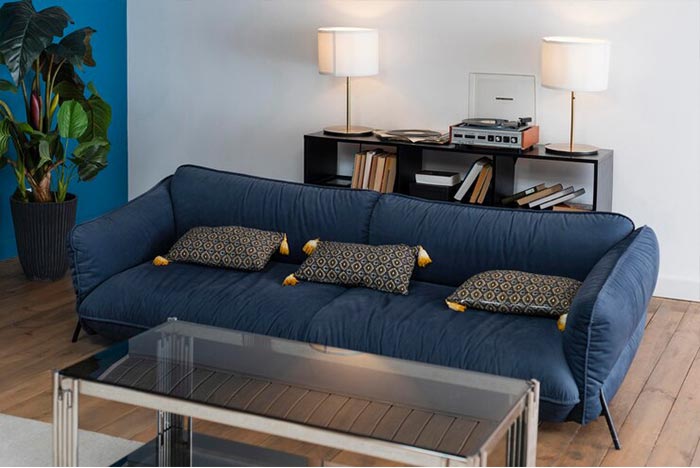
For more ideas and guidance, follow us on Instagram.
FAQs about Choosing Furniture for Modern Homes
1. What are the main principles when choosing furniture for modern homes?
The main principles of choosing furniture for modern homes revolve around simplicity, clean lines, and functionality. Modern interiors aim to create spaces that feel open, calm, and clutter-free. This means that every piece of furniture should have a purpose while also contributing to the overall visual balance. Neutral color schemes such as white, gray, beige, or black set the foundation, while small pops of color — perhaps through artwork or accent cushions — can add personality. Instead of ornate or heavily detailed furniture, opt for sleek designs made with smooth surfaces and geometric shapes. Texture also plays an important role; combining materials like metal, wood, and fabric adds warmth and visual interest without overwhelming the eye. Ultimately, the goal is to create a sense of harmony where design meets practicality, reflecting the modern philosophy of “less is more.”
2. How do I make small spaces look modern and stylish?
Designing small spaces with a modern and stylish feel requires smart planning and thoughtful furniture choices. The key is to maximize both functionality and visual openness. Choose multi-purpose furniture — for instance, a sofa bed, a coffee table with storage, or foldable dining sets — that allow flexibility without cluttering the room. Light color palettes such as off-white, pale gray, or soft beige make the space appear larger and brighter, while adding mirrors enhances depth and light reflection. Another great strategy is to use vertical space efficiently: install wall-mounted shelves or tall cabinets to create storage without taking up floor area. Keep decorations minimal and cohesive; too many objects can make the space feel busy. Lastly, invest in good lighting — a mix of natural light, spotlights, and modern floor lamps can completely transform how a compact room feels.
3. Which materials are best for modern home furniture?
Modern home furniture often combines materials that embody simplicity and sophistication. Glass, steel, and light-toned wood are the most popular options. Glass surfaces help create a sense of airiness and reflect natural light, making rooms appear more spacious and elegant. Steel or metal frames give structure and durability while maintaining a sleek, industrial edge that complements modern aesthetics. Light woods such as oak, maple, or ash introduce warmth and balance the coolness of metal or glass elements. In addition, sustainable materials like bamboo, recycled wood, or eco-friendly laminates are becoming increasingly popular, reflecting the growing interest in environmentally responsible design. For upholstery, neutral-colored fabrics or vegan leather are great options — they’re easy to clean and integrate seamlessly into minimalist interiors. The combination of these materials not only enhances the beauty of your space but also supports a timeless modern style.
4. Can I mix modern furniture with other styles?
Absolutely! Mixing modern furniture with other styles — such as mid-century, Scandinavian, or even vintage — can create a personalized and dynamic interior. The key is maintaining visual balance and consistency. Start with modern pieces as the foundation, characterized by clean lines and neutral tones, and then introduce contrasting elements sparingly. For instance, a minimalist modern sofa can be paired with a vintage wooden coffee table or a traditional rug to add warmth and depth. This blend of eras creates an inviting, curated look that feels both stylish and lived-in. Just be cautious not to overdo it — too many contrasting pieces can make your design feel chaotic. Focus on one or two statement items from other styles while keeping the rest simple and cohesive. When done right, this fusion celebrates individuality while preserving the elegance and order of modern design.
5. Why should I consider professional help when choosing furniture for modern homes?
Working with a professional designer can dramatically enhance the outcome of your interior design project. Professionals bring a trained eye for proportion, color balance, and spatial harmony — crucial factors in modern interiors. They can help you avoid common mistakes, such as purchasing oversized furniture, choosing clashing tones, or misusing space. A designer also has access to exclusive resources, suppliers, and custom furniture options that are often unavailable to the general public. More importantly, they tailor every design decision to your lifestyle, ensuring that your space is not only visually appealing but also comfortable and practical.
Companies like Builpire, for instance, specialize in modern home renovation and interior design. Their experts collaborate closely with clients to understand their needs and preferences, guiding them through every step — from selecting materials and color palettes to sourcing modern, high-quality furniture that complements the architecture of the home. By trusting professionals like Builpire, you can achieve a cohesive, functional, and beautiful modern space that truly reflects your personality and vision.