








Complete Guide to a Whole-House Plumbing Upgrade
Planning a whole house plumbing upgrade is one of the most transformative steps homeowners can take to improve long-term comfort, safety, and efficiency. Many homes—especially those built decades ago—still rely on outdated plumbing materials that are prone to leaks, corrosion, low water pressure, and poor flow distribution. As families grow, appliances change, and water quality expectations evolve, investing in a whole house plumbing upgrade becomes more than a renovation; it becomes a forward-thinking investment that ensures reliable performance for years to come. Whether your property is experiencing frequent pipe issues or you simply want to modernize your home’s infrastructure, a complete plumbing overhaul can significantly raise the value and livability of your space.
A comprehensive whole house plumbing upgrade involves replacing old pipes, optimizing water supply lines, updating drainage systems, and sometimes reconfiguring fixture locations to create better flow or accommodate new appliances. This process also offers an opportunity to integrate energy-efficient technology, reduce water waste, and eliminate hidden issues that might be developing behind walls or under floors. Modern plumbing systems are designed not only to function smoothly but also to enhance the overall sustainability of the home. They often come with improved insulation, corrosion-resistant materials, and smart features that help homeowners monitor water usage and prevent disasters such as leaks or bursts.
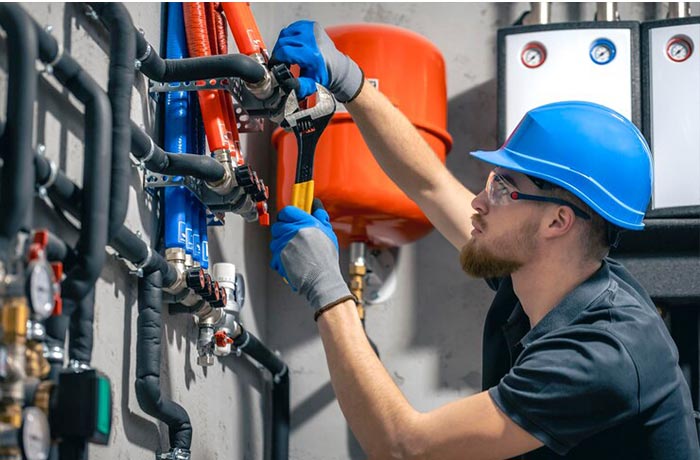
Transform Your Space with BUILPIRE – Book Your Consultation Today!
Another major benefit of a whole-home upgrade is peace of mind. Old pipes—especially galvanized steel or polybutylene—may seem harmless on the surface, but years of wear can compromise water quality and structural integrity. By replacing these pipes with modern materials such as PEX or copper, homeowners eliminate the risk of contamination, harmful buildup, and sudden failure. A well-designed plumbing system ensures better pressure balance, consistent hot water availability, and improved drainage throughout the entire property. This creates a more comfortable everyday experience, especially in multi-story homes where simultaneous water usage can otherwise lead to fluctuations.
Most importantly, undertaking a whole house plumbing upgrade is a chance to future-proof your home. With today’s advanced materials and smart plumbing technologies, homeowners can enjoy features such as leak-detection sensors, tankless water heaters, optimized filtration systems, and water-efficient fixtures. These improvements not only save money on monthly bills but also extend the lifespan of the plumbing system, minimizing the need for repairs later on. Whether you’re renovating your home, preparing for resale, or simply seeking a more reliable system, a strategically planned plumbing overhaul ensures performance, safety, and value. In this comprehensive guide, we will explore everything you need to know—from the signs that your home needs an upgrade to material options, costs, installation steps, and expert tips to help you make informed decisions.
What Is a Whole-House Plumbing Upgrade?
A whole house plumbing upgrade refers to replacing aging pipes, fixtures, valves, and drainage components throughout the entire home. Unlike small repairs or isolated fixes, this approach renews the entire plumbing infrastructure. It ensures consistent performance across all bathrooms, the kitchen, laundry room, basement, and outdoor lines. This upgrade typically includes:
-
Replacing water supply pipes
-
Updating drain and sewer lines
-
Installing modern shut-off valves
-
Adding or replacing fixtures
-
Enhancing ventilation and pressure systems
-
Integrating smart water-management devices
This comprehensive approach eliminates systemic issues that cannot be resolved with temporary repairs.

Why Homes Need a Plumbing Upgrade
There are several signs that indicate it’s time for a whole house plumbing upgrade:
1. Frequent Leaks and Pipe Bursts
If leaks occur repeatedly, it’s usually a symptom of widespread deterioration—not an isolated problem.
2. Corroded or Outdated Pipe Materials
Homes built before 1990 often use galvanized steel or polybutylene, both of which are known to fail over time.
3. Low Water Pressure
Sediment buildup or narrow old pipes restrict flow and reduce pressure.
4. Discolored or Bad-Smelling Water
This often indicates rust, mineral buildup, or bacterial contamination inside the pipes.
5. Noisy Pipes (Hammering or Vibrations)
Old pipes may shift, loosen, or accumulate air pockets, causing disruptive noises.
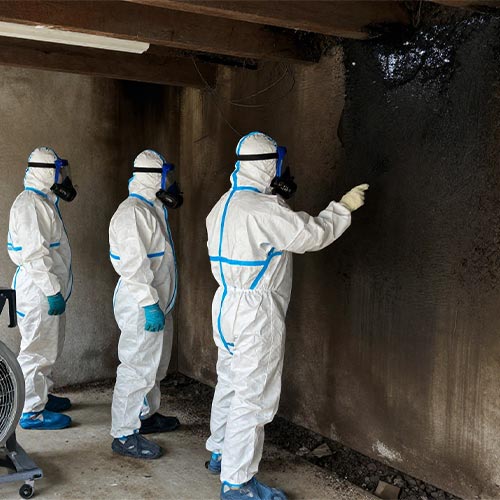
6. Mold, Dampness, or Water Stains
Hidden pipe leaks behind walls or floors can create expensive structural damage.
When these symptoms appear, a full upgrade becomes the most cost-effective long-term choice.
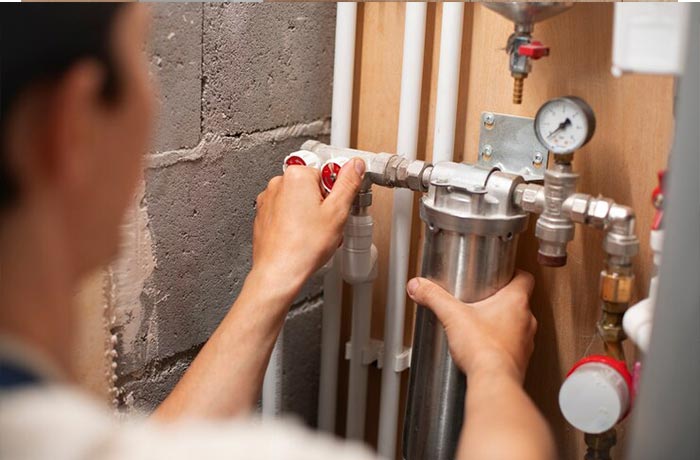
Benefits of a Whole-House Plumbing Upgrade
1. Improved Water Pressure and Flow
Newer pipes have smoother surfaces that allow water to move more efficiently.
2. Better Water Quality
Modern materials resist corrosion and contamination.
3. Increased Energy Efficiency
Upgraded systems pair well with tankless heaters and insulated hot-water lines.
4. Reduced Risk of Emergencies
Replacing fragile or outdated pipes dramatically lowers the chance of major leaks.
5. Higher Property Value
Buyers appreciate homes with modern, low-maintenance plumbing systems.
6. Compatibility With Modern Appliances
New water filtration systems, smart dishwashers, and high-efficiency washing machines require consistent pressure and reliable flow.
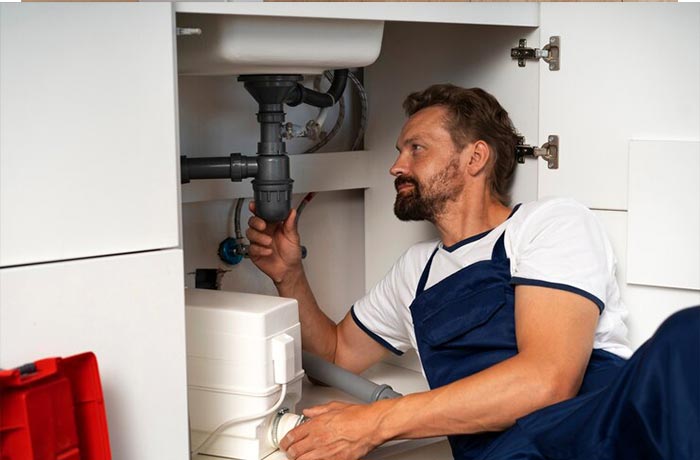
Best Piping Materials for a Whole-Home Upgrade
Selecting the right materials is crucial for a successful whole house plumbing upgrade.
PEX (Cross-Linked Polyethylene)
-
Flexible and easy to install
-
Resistant to corrosion
-
Ideal for cold and hot water
-
Affordable and long-lasting
Copper
-
Extremely durable
-
Excellent for hot water
-
Eco-friendly and recyclable
-
More expensive but highly reliable
CPVC
-
Budget-friendly alternative
-
Suitable for both hot and cold water
-
Easy to install
PVC for Drainage
-
Lightweight
-
Corrosion-resistant
-
Ideal for sewer and vent lines
Each material offers unique benefits, so homeowners often use a combination depending on their needs and local regulations.
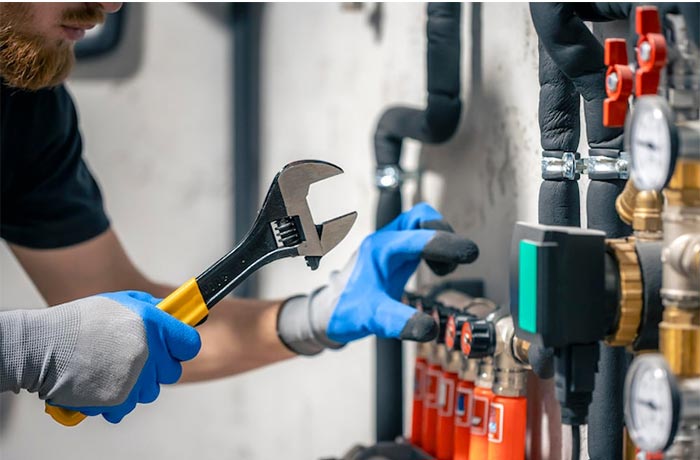
Steps Involved in a Whole-House Plumbing Upgrade
1. Inspection and Planning
A professional plumber examines existing systems, identifies problem areas, and creates a detailed plan.
2. Shutting Off the Water
The main water line is temporarily disabled to allow for safe removal of old pipes.
3. Removing Old Pipes
Outdated or damaged pipes are carefully removed from walls, floors, and ceilings.
4. Installing New Supply Lines
PEX or copper pipes are measured, fitted, and securely installed.
5. Replacing Drain & Vent Lines
PVC or ABS pipes are added to ensure proper wastewater movement and ventilation.
6. Updating Fixtures & Valves
Modern valves, faucets, and connectors are installed.
7. Testing the System
Professionals test for leaks, pressure balance, and proper flow.
8. Restoring Walls & Finishes
Drywall, flooring, and tiles are repaired after the plumbing system is complete.
Cost of a Whole-House Plumbing Upgrade
Several factors determine the final cost:
-
Size and layout of the home
-
Type of piping materials used
-
Number of bathrooms and fixtures
-
Accessibility of walls and floors
-
Labor costs in your area
Most homes can expect a range between $8,000 and $20,000, though larger or older homes may require more extensive work.
How Long Does the Upgrade Take?
A typical whole house plumbing upgrade takes:
-
3–5 days for a small home
-
5–10 days for medium homes
-
2–3 weeks for large or old homes requiring structural adjustments
Drywall restoration, painting, or additional renovations may extend the project timeline.
Future-Proofing With Modern Plumbing Technology
Smart technologies can enhance your plumbing system:
-
Wi-Fi water-leak detectors
-
Smart water shut-off valves
-
Tankless water heaters
-
High-efficiency filtration systems
-
Low-flow and smart fixtures
These enhancements significantly improve safety, efficiency, and sustainability.
Working With Professionals
A whole house plumbing upgrade should always be handled by licensed professionals. They ensure code compliance, proper installations, and long-lasting performance. DIY attempts can lead to serious issues such as leaks, water damage, and structural complications.
A Note About Builpire
If you plan to combine your plumbing upgrade with interior remodeling, the expert team at Builpire can support your project. Specializing in home renovation and interior design, Builpire provides high-quality craftsmanship and integrated solutions for homeowners who want a seamless renovation experience.
For more ideas and guidance, follow us on Instagram.
Frequently Asked Questions(FAQs)
1. How do I know if I need a whole house plumbing upgrade?
If your home has frequent leaks, low water pressure, old piping materials, or water discoloration, it’s a strong indicator that an upgrade is required. Homes older than 30 years typically benefit the most from a complete overhaul.
2. Is PEX better than copper for whole-home plumbing?
Both are excellent options. PEX is affordable, flexible, and resistant to corrosion. Copper is highly durable, long-lasting, and great for hot-water distribution. The best choice depends on your budget and home’s layout.
3. Does upgrading plumbing increase home value?
Yes. A modern plumbing system boosts property value because buyers appreciate reliability, reduced maintenance, and improved water quality. It’s especially valuable in older homes.
4. Can I live in my home during a whole house plumbing upgrade?
In most cases, yes. Water will be temporarily off during certain hours, but contractors can often stage the work to keep disruptions minimal. However, major renovations may require temporary adjustments.
5. How often should plumbing systems be replaced?
Most plumbing systems last 40–70 years depending on the materials. Galvanized steel often requires replacement sooner, while copper and PEX last significantly longer with proper care.