



Structural Home Restoration for Long-Term Safety
When it comes to maintaining a safe and durable home, structural home restoration is not just an option—it’s a necessity. Aging buildings, natural disasters, and wear-and-tear over time can compromise the integrity of your house. Proper restoration ensures your home remains safe, functional, and comfortable for years to come.
Transform Your Space with BUILPIRE – Book Your Consultation Today!
What is Structural Home Restoration?
Structural home restoration involves repairing, reinforcing, or replacing key load-bearing elements of a house. This includes foundations, beams, columns, and walls. Unlike cosmetic renovations, structural restoration focuses on the core stability of the building.
Key benefits include:
-
Preventing potential collapses
-
Increasing property value
-
Improving energy efficiency
-
Extending the lifespan of the home
In Iran, where seismic activity is common, addressing structural weaknesses is particularly important to safeguard families and investments.
Common Causes of Structural Damage
Understanding what damages a home’s structure is the first step toward effective restoration. Some common causes are:
1. Natural Disasters
Earthquakes, floods, and heavy storms can cause cracks, warping, or foundation shifts. Homes built before modern seismic codes are especially vulnerable.
2. Aging Materials
Concrete, wood, and steel degrade over time. Moisture, corrosion, and termite damage can weaken structural elements.
3. Poor Construction Practices
Houses built without proper engineering standards often face long-term structural issues. Weak foundations, uneven load distribution, and substandard materials are common culprits.
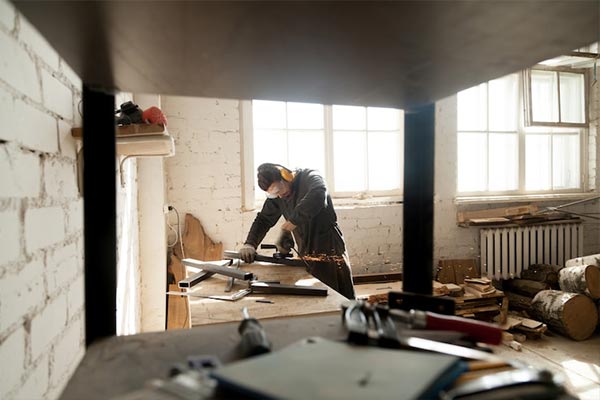
Step-by-Step Approach to Structural Home Restoration
A successful restoration project involves careful planning, assessment, and execution.
1. Professional Structural Assessment
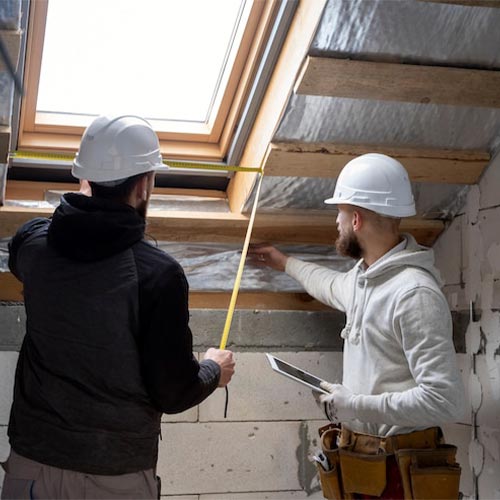
Hire a certified structural engineer to inspect your home. They can identify hidden weaknesses and provide a detailed restoration plan.
2. Foundation and Load-Bearing Repairs
Repairing the foundation or load-bearing walls is critical. This may involve underpinning, concrete reinforcement, or replacing damaged beams.
3. Water Damage Prevention
Moisture is a silent destroyer of structures. Waterproof basements, fix leaking roofs, and ensure proper drainage around the house.
4. Seismic Reinforcement
In earthquake-prone regions, retrofitting homes with modern seismic-resistant techniques is crucial. Steel braces, reinforced concrete, and flexible joints improve resilience.
5. Quality Material Selection
Use durable, local materials suitable for Iran’s climate. High-quality concrete, treated wood, and corrosion-resistant metals ensure long-term stability.
6. Regular Maintenance
Restoration doesn’t end after repairs. Inspect your home regularly for cracks, water infiltration, and signs of structural fatigue. Early detection prevents costly emergencies.
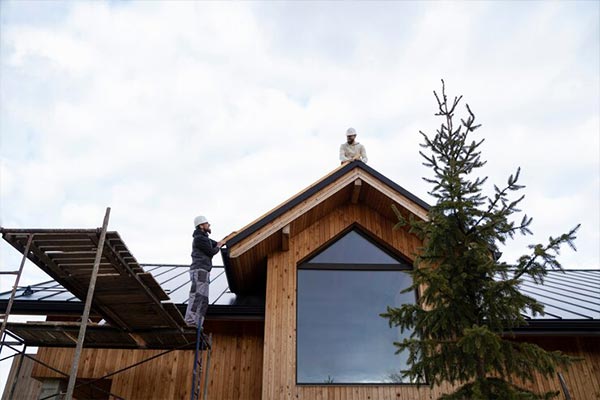
Real-Life Example
A homeowner in Tehran noticed cracks forming along the walls after minor tremors. A structural engineer assessed the house and discovered weakened beams and a shifting foundation. By reinforcing the beams, underpinning the foundation, and waterproofing the basement, the home’s safety was restored—preventing potential hazards during future earthquakes.
Conclusion
Structural home restoration is an investment in safety, durability, and peace of mind. By addressing foundational issues, using quality materials, and employing professional expertise, homeowners in Iran can protect their properties from future risks. Regular inspection and timely repairs are the keys to long-term stability.
For more ideas and guidance, follow us on Instagram.
FAQ – Structural Home Restoration
Q1: How do I know if my house needs structural restoration?
Look for cracks in walls or floors, doors that don’t close properly, sagging ceilings, or water damage near the foundation.
Q2: Can I restore the structure myself?
Structural restoration requires professional expertise. DIY attempts can be dangerous and may worsen the damage.
Q3: How much does structural home restoration cost in Iran?
Costs vary depending on the severity of damage, materials, and labor. Minor repairs can start from a few million tomans, while major reinforcement projects can be significantly higher.
Q4: How long does restoration take?
Small repairs may take a few weeks, while complete structural reinforcement can take several months.
Q5: Does restoration increase property value?
Yes. A structurally sound home is safer and more attractive to buyers, increasing both marketability and value.