




How to Remove Smoke Odor After a House Fire
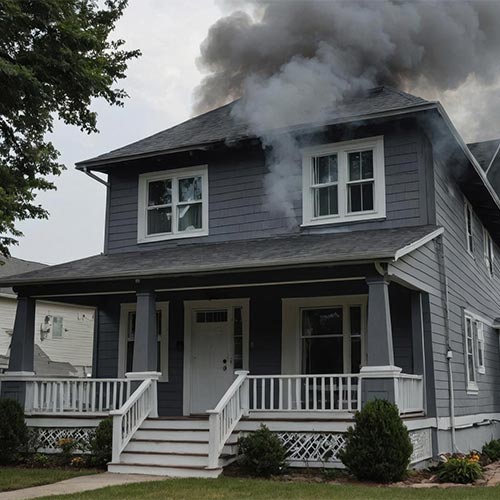
Experiencing a house fire can be one of the most traumatic events a homeowner may go through. Once the flames are out and the structural damage is addressed, a new challenge emerges — the persistent, invasive smell of smoke that lingers in every corner of the home. Smoke odor removal after fire becomes a critical step in restoring a safe and livable environment. Whether the fire was large or small, smoke can penetrate walls, ceilings, furniture, and even the HVAC system, making it difficult to eliminate without a comprehensive plan.
If you’re searching for effective methods of smoke odor removal after fire, you’re not alone. Many homeowners underestimate how stubborn smoke residue can be, often resorting to air fresheners or basic cleaning agents that only mask the smell temporarily. The reality is, smoke odor removal after fire requires specialized techniques, equipment, and sometimes professional help to completely eliminate the issue.
The reason smoke odor removal after fire is so challenging lies in the nature of smoke itself. Smoke contains microscopic particles that can embed deep into porous materials. Carpets, insulation, curtains, drywall, and upholstery are all vulnerable. Even after visible soot is cleaned, these tiny particles continue to emit that recognizable burnt odor, affecting air quality and overall comfort.
Additionally, smoke odor removal after fire isn’t just about eliminating a bad smell. Smoke contains harmful chemicals that can affect respiratory health, especially in children, the elderly, and those with pre-existing conditions. Therefore, it’s vital to treat smoke odor as a health hazard, not just a nuisance.
Throughout this guide, we’ll walk you through the most effective, step-by-step strategies for smoke odor removal after fire, from DIY techniques to professional restoration services. By the end, you’ll have a clear understanding of what’s needed to reclaim your home — both structurally and atmospherically.
Transform Your Space with BUILPIRE – Book Your Consultation Today!
Step-by-Step Guide to Smoke Odor Removal After Fire
1. Assess the Damage
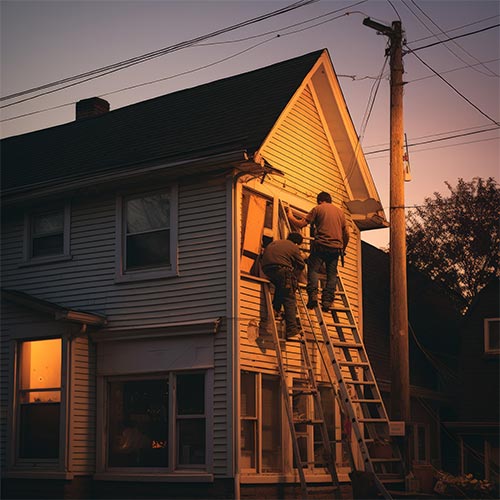
Before beginning any cleaning or restoration work, it’s essential to assess the extent of the damage. Smoke damage can vary greatly depending on the fire’s size and duration. If the damage is extensive, it’s highly recommended to call in professionals.
2. Ventilate the Entire Home
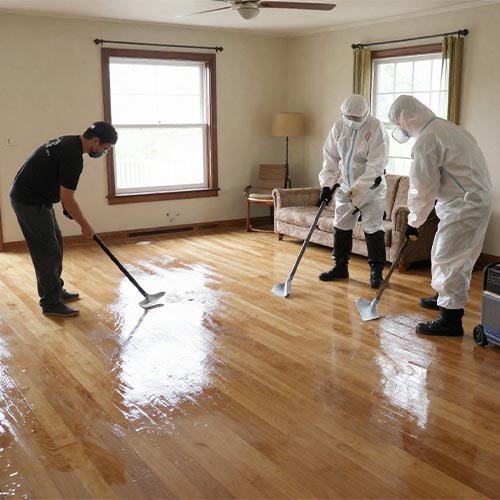
Start by opening all windows and doors to allow fresh air in. Use industrial fans to increase air circulation. Position fans near doors or windows to help blow smoke-laden air out of the home. Good ventilation is the first step in smoke odor removal after fire.
3. Clean All Surfaces Thoroughly
Use a mixture of warm water, white vinegar, and dish soap to scrub walls, ceilings, and hard surfaces. Vinegar helps neutralize smoke particles and remove soot. For painted surfaces, avoid abrasive scrubs that can cause more damage.
4. Remove and Deep Clean Soft Materials
Carpets, rugs, curtains, clothing, and upholstery absorb the most smoke. These items should be removed and either professionally cleaned or discarded if the damage is too great. Steam cleaning is often effective for smoke odor removal.
5. Replace HVAC Filters and Clean Ducts
Smoke can settle in your HVAC system and spread throughout the home each time it runs. Replace all air filters, and consider hiring a professional to clean the ductwork. This prevents the odor from circulating again.
6. Use Odor Neutralizing Products
Activated charcoal, baking soda, and commercial odor eliminators can absorb remaining odors. Place bowls of baking soda in affected areas and leave them for several days. Products like ozone generators and thermal foggers are especially effective and are often used by professionals for smoke odor removal after fire.
7. Repaint and Seal Surfaces
In severe cases, repainting may be necessary. Before painting, apply a primer specifically designed to seal in odors. This helps prevent residual smoke smells from seeping through the new paint.
Professional Help for Smoke Odor Removal After Fire
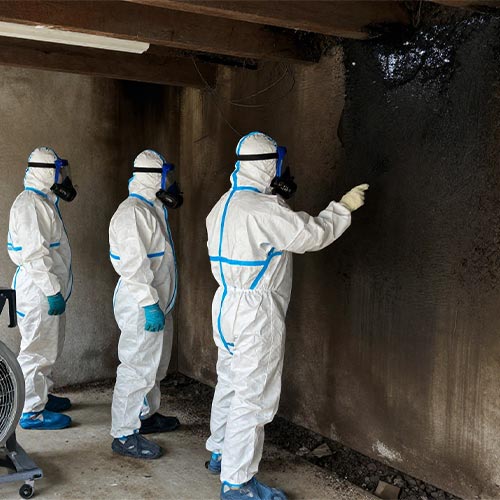
If the DIY methods don’t fully resolve the issue, or if the fire was extensive, it’s time to call in restoration experts. Companies specializing in fire damage restoration have access to advanced tools like hydroxyl generators, ozone treatments, and thermal fogging machines.
Professionals can also assess materials like insulation and subflooring that may need to be replaced. Their services often include documentation for insurance claims as well, making the process more manageable for homeowners.
Health Risks of Lingering Smoke Odor
Persistent smoke odors aren’t just unpleasant — they’re hazardous. Long-term exposure to smoke residue can cause respiratory problems, eye irritation, headaches, and skin allergies. If left untreated, the odor may also attract mold and mildew, worsening indoor air quality. That’s why timely smoke odor removal after fire is not only essential for comfort but also for your family’s well-being.
Long-Term Prevention Tips
Once you’ve successfully completed the smoke odor removal after fire, implement preventive measures:
-
Install smoke detectors and maintain them regularly.
-
Create a fire safety plan and invest in fire-retardant materials.
-
Use air purifiers with HEPA filters to maintain air quality.
-
Have your HVAC system serviced annually.
For more ideas and guidance, follow us on Instagram.
Trust the Experts at Builpire
When it comes to comprehensive home restoration after a fire, Builpire stands out as a trusted partner. Specializing in home renovation, fire damage restoration, and interior design, Builpire combines technical expertise with a commitment to quality. Whether you need full structural recovery or targeted smoke odor removal after fire, Builpire ensures your home is not only restored — but transformed.
FAQs About Smoke Odor Removal After Fire
1. How long does smoke odor last after a fire?
Smoke odor can linger for weeks or even months if not properly addressed. Without thorough cleaning, ventilation, and deodorizing, the smell may never fully go away.
2. Can I remove smoke odor from my home myself?
Yes, minor smoke damage can be addressed with ventilation, deep cleaning, and natural deodorizers. However, severe cases usually require professional services for complete smoke odor removal after fire.
3. What household items can help with smoke odor removal?
Baking soda, vinegar, activated charcoal, and coffee grounds are all natural odor absorbers. However, their effectiveness may be limited in cases of deep or widespread smoke damage.
4. Do air purifiers help with smoke odor after fire?
Yes, air purifiers equipped with HEPA and activated carbon filters can help capture smoke particles and improve indoor air quality during the smoke odor removal after fire process.
5. Will repainting my walls remove the smoke smell?
Only after cleaning and applying an odor-sealing primer. Painting alone won’t stop the smell from seeping through if smoke particles remain.
6. Is it safe to stay in a house with smoke odor?
Prolonged exposure to smoke residue can be harmful, especially for those with respiratory issues. It’s best to resolve the issue promptly or temporarily relocate during professional treatment.
7. How much does professional smoke odor removal cost?
Costs vary depending on the severity of damage and size of the home, typically ranging from $500 to several thousand dollars. Builpire offers free assessments to help you understand the scope and cost of the work needed.
If you’re looking for reliable, long-term solutions, don’t wait. Contact Builpire today to begin your path toward a clean, safe, and fully restored home after fire damage.