


How to Restore Old Homes to Their Original Beauty
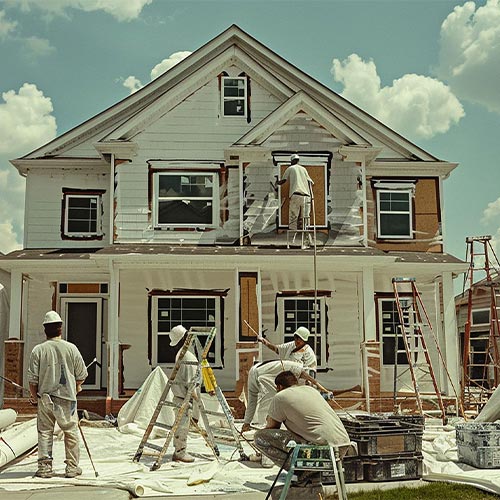
Restoring old homes to original condition is both an art and a science. Many homeowners today are discovering the charm and authenticity that older properties offer—features like crown molding, real hardwood floors, and detailed architecture that simply can’t be replicated in new builds. However, these historic gems often come with challenges: outdated systems, structural issues, or cosmetic wear and tear. That’s where the process of restoring old homes to original condition becomes essential—not just to preserve the beauty of the past but also to ensure safety and comfort for the future.
When done correctly, restoring old homes to original condition can increase property value, enhance curb appeal, and give homeowners the satisfaction of bringing history back to life. It’s not just about patching up what’s broken; it’s about honoring the craftsmanship of another era. From redoing lath and plaster walls to replicating vintage woodwork, every detail matters when restoring old homes to original condition.
Whether it’s a Victorian in need of loving attention or a 1920s bungalow losing its luster, each project presents unique considerations. Is it better to restore original flooring or replace it? Should you update the plumbing while maintaining visual integrity? These decisions define the success of restoring old homes to original condition, and having a solid strategy ensures the outcome is both beautiful and functional.
Many homeowners fear the cost or complexity of such projects. However, with the right guidance, professionals, and planning, restoring old homes to original condition can be a fulfilling journey rather than a stressful task. Understanding the steps, materials, and historical context is vital. You’ll not only be investing in a property but in a piece of history worth preserving.
In this comprehensive guide, we’ll walk through the major steps involved in restoring old homes to original condition, from evaluation to execution. Whether you’re tackling a full-scale renovation or focusing on one room at a time, this article will give you the tools and confidence to breathe life back into your historic home.
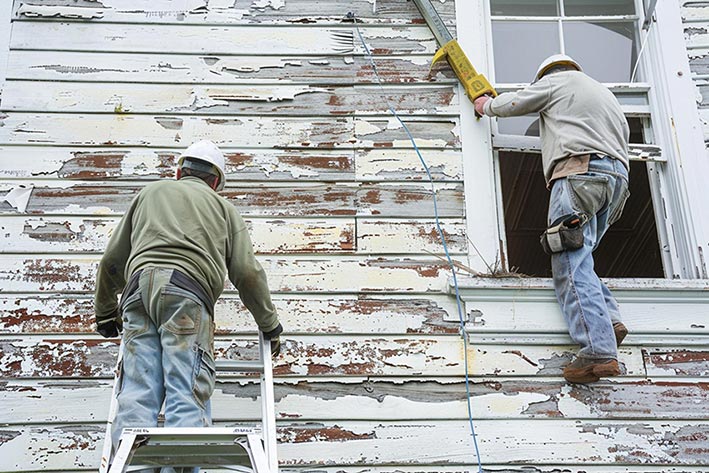
Transform Your Space with BUILPIRE – Book Your Consultation Today!
Step-by-Step Guide to Restoring Old Homes to Original Condition
1. Assess the Home’s Current State
The first and most critical step in restoring old homes to original condition is a thorough evaluation. Hire a home inspector who specializes in historical properties. Look for:
-
Foundation cracks
-
Roofing issues
-
Plumbing and electrical problems
-
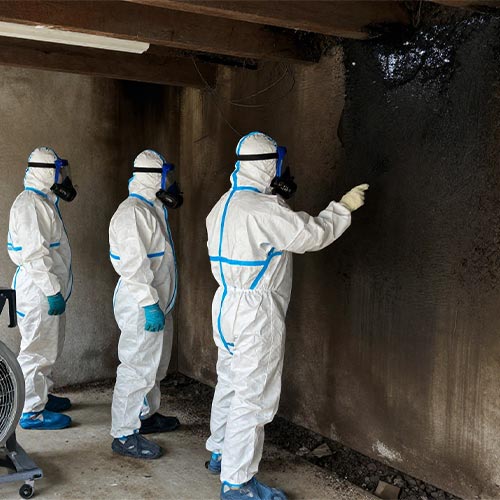
Termite or mold damage
-
Outdated or hazardous materials (like lead paint or asbestos)
This initial assessment helps prioritize tasks and establish a realistic budget.
2. Research Historical Details
If you’re serious about restoring old homes to original condition, dig into its history. Visit your local archives or talk to previous owners. Original blueprints, photographs, or even old real estate ads can reveal:
-
Original wall colors and paint types
-
Trim and molding styles
-
Period-specific hardware and fixtures
This historical research ensures that restoration efforts are accurate and respectful of the original design.
3. Structural Repairs Come First
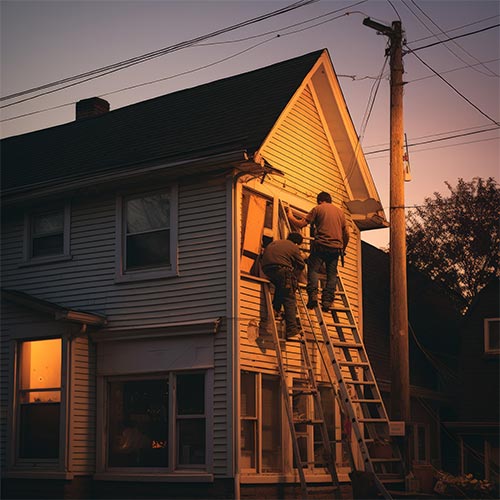
Before aesthetic restoration begins, focus on the core structure. Cracked beams, leaky roofs, and failing foundations must be addressed to preserve the safety of the home. This is especially important in restoring old homes to original condition because cosmetic updates will mean little if the home is not structurally sound.
4. Preserve and Restore Original Features
In most older homes, original elements are what give the property its charm. Consider restoring:
-
Hardwood floors
-
Crown molding and trim
-
Original doors and windows
-
Fireplace mantels
-
Built-in cabinets
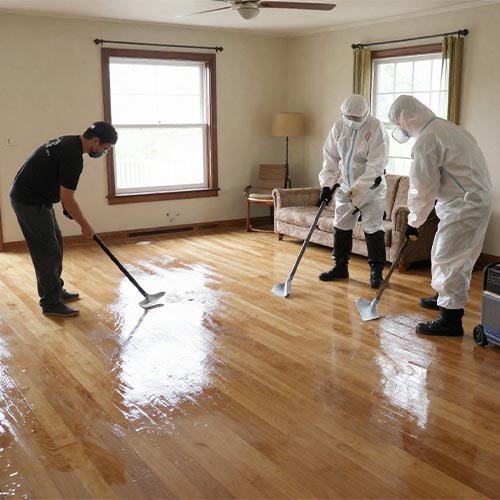
Use gentle techniques to clean, refinish, or replicate these elements. This step is the heart of restoring old homes to original condition.
5. Update Systems Thoughtfully
Modern HVAC, plumbing, and electrical systems are often necessary but should be installed in ways that preserve the home’s visual integrity. Conceal ducts and wires wherever possible. Choose period-appropriate fixtures that meet modern standards. Smart updates executed with a traditional aesthetic go a long way in restoring old homes to original condition.
6. Choose Historically Accurate Materials
When replacing any parts of the home, like siding, flooring, or hardware, aim for historically accurate options. Salvage yards and antique shops are great places to find:
-
Real wood siding
-
Wrought iron hardware
-
Vintage light fixtures
-
Traditional tile patterns
Your effort in sourcing will pay off, ensuring your project aligns with the true spirit of restoring old homes to original condition.
7. Embrace Sustainable Restoration
Historic restoration doesn’t have to come at the cost of energy efficiency. Consider:
-
Insulating walls using modern but hidden materials
-
Installing energy-efficient windows that replicate old styles
-
Adding solar panels in concealed locations
By balancing sustainability with tradition, you’ll make your home future-ready while restoring old homes to original condition.
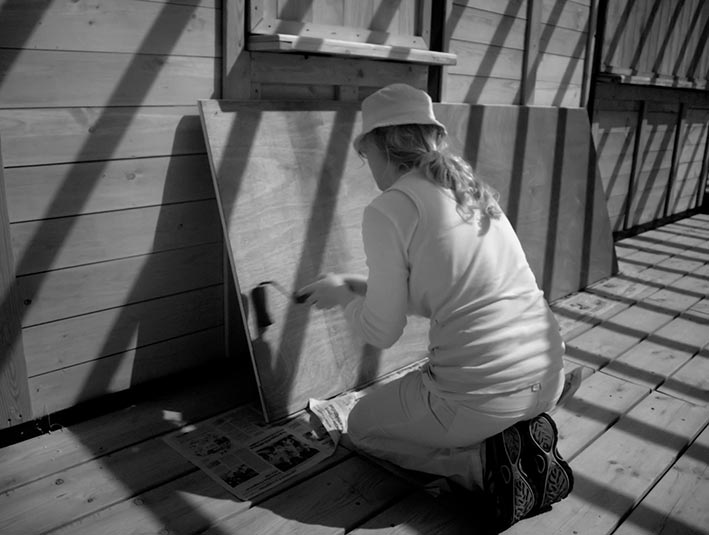
For more ideas and guidance, follow us on Instagram.
Final Touches: Bringing It All Together
Once major work is done, it’s time to focus on aesthetics:
-
Repaint using original color palettes or natural pigments
-
Add vintage furnishings or replicas
-
Incorporate décor that reflects the era
These final layers tie everything together and make your efforts in restoring old homes to original condition feel complete.
Why Restoration Is Worth the Effort
Restoring an old home offers:
-
Historic Preservation: You’re keeping architectural history alive.
-
Financial Value: Restored homes often appreciate more in value.
-
Unique Charm: No cookie-cutter design can match the soul of an old home.
-
Personal Fulfillment: It’s a deeply satisfying project for lovers of architecture and tradition.
Trust the Experts: Builpire Can Help
If you’re considering restoring old homes to original condition, partnering with professionals can make the journey smoother and more efficient. Builpire is a trusted name in home restoration and interior design. With years of experience in transforming outdated or damaged homes into breathtaking living spaces, Builpire specializes in bringing old homes back to life while maintaining historical integrity. Whether you need full-scale renovations or targeted restoration, Builpire ensures every project reflects timeless beauty and modern comfort.
FAQs: Common Questions About Restoring Old Homes to Original Condition
1. What is the average cost of restoring an old home to original condition?
Costs vary based on the size, age, and condition of the home. On average, expect to pay between $100 to $400 per square foot, depending on the complexity of the project.
2. Is it better to restore or renovate an old home?
Restoration focuses on preserving original elements, while renovation may include significant changes. If historical accuracy is important, restoration is the better choice.
3. Can I do the restoration myself, or should I hire professionals?
Small projects like painting or refinishing floors can be DIY, but major work like structural repairs, electrical, or plumbing should be handled by licensed professionals.
4. How do I know what the original home looked like?
Check historical records, talk to local preservation societies, and review old photographs or documents related to the property.
5. How long does it take to restore an old home?
A full restoration may take anywhere from 6 months to 2 years, depending on the scope and availability of materials.
6. Are there grants available for restoring old homes?
Yes, many local governments and preservation organizations offer grants or tax incentives for restoring historical properties.
7. What are the biggest challenges in restoring old homes to original condition?
Challenges include outdated systems, sourcing authentic materials, hidden damages, and navigating building codes or permits for historical properties.