






Preventive Home Restoration That Saves Money
The Complete Guide to Smart, Long-Term Home Protection
Owning a home is one of the biggest financial commitments most people ever make. Yet many homeowners wait until visible damage appears before taking action. Cracked walls, leaking roofs, mold growth, or failing systems often seem sudden—but in reality, most of these problems develop slowly over time.
Preventive home restoration maintenance focuses on early action, routine inspection, and proactive repairs that stop small issues from turning into expensive crises. Instead of reacting to damage, homeowners protect their property value, extend building life, and reduce overall costs through planned care.
This guide explains how preventive restoration works, why it saves money, and how homeowners can build a practical, long-term strategy that fits real budgets and real homes.
Transform Your Space with BUILPIRE – Book Your Consultation Today!
What Is Preventive Home Restoration Maintenance?
Preventive home restoration maintenance is a structured approach to maintaining and restoring parts of a house before serious damage occurs. It combines routine upkeep with proactive repairs and inspections to preserve the structure, systems, and appearance of a home.
Unlike emergency restoration, which responds to damage after it happens, preventive restoration focuses on early detection and long-term planning.
Key goals include:
-
Prevent structural deterioration
-
Reduce long-term repair costs
-
Extend the lifespan of building materials
-
Improve safety and energy efficiency
-
Maintain property value over time
Homeowners often think restoration means major renovations. In reality, many restoration actions are small, affordable, and scheduled throughout the year.
Why Preventive Restoration Saves Money
Ignoring minor wear can quickly lead to expensive repairs. A small roof leak, for example, may only need a simple seal today but could require full roof replacement and interior repairs if ignored.
Cost comparison example
| Issue | Early Preventive Fix | Delayed Repair |
|---|---|---|
| Roof leak | Sealant and flashing repair | Structural damage + mold remediation |
| Small foundation crack | Minor filling and sealing | Major structural reinforcement |
| HVAC maintenance | Annual service | Full system replacement |
| Gutter cleaning | Seasonal cleaning | Water damage to siding and foundation |
Preventive action spreads expenses over time rather than forcing large emergency costs.
Additional financial benefits
-
Lower insurance claims and premiums in some cases
-
Reduced energy bills due to efficient systems
-
Higher resale value during property appraisal
-
Fewer unexpected disruptions to daily life
A well-maintained home rarely surprises its owner with major repair bills.
Core Areas of Preventive Home Maintenance Services
Not every part of a house ages at the same rate. A smart preventive strategy focuses on high-risk areas first.
Roof and Exterior Protection
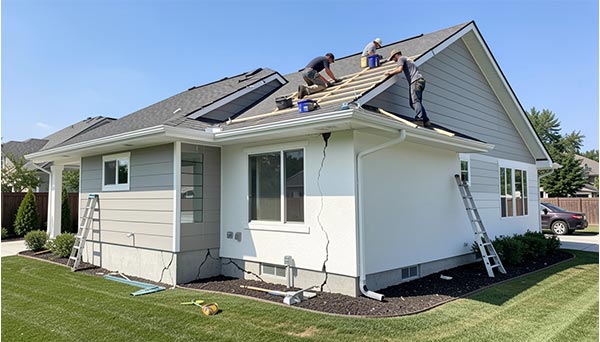
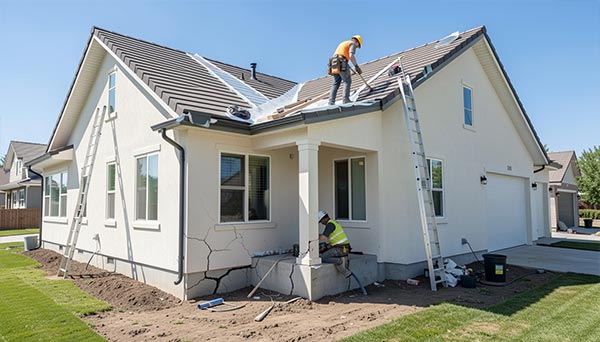
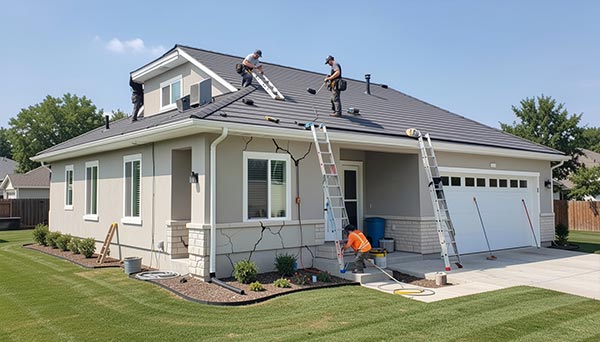
The roof is the first defense against weather. Small failures here often lead to costly internal damage.
Preventive steps include:
-
Annual roof inspections
-
Checking flashing around chimneys and vents
-
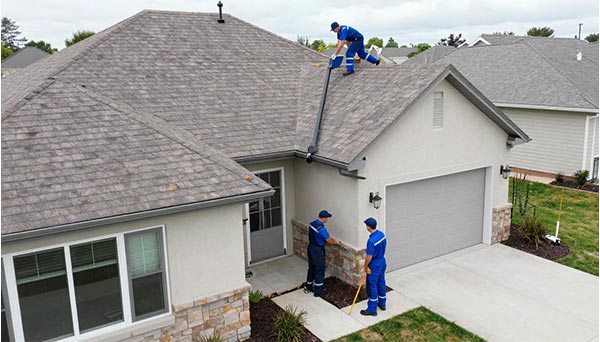
Cleaning gutters and downspouts
-
Replacing damaged shingles early
-
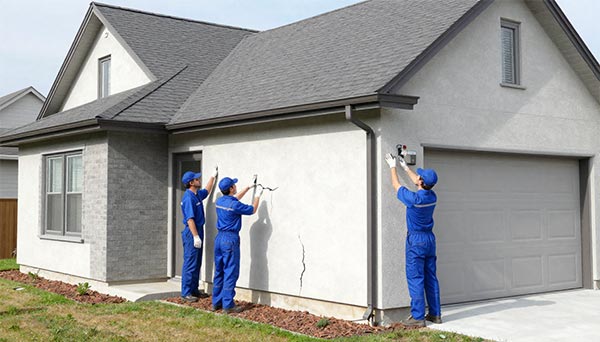
Sealing cracks in exterior walls
In climates with heavy rain or snow, proactive roof care is especially important.
Water Management and Moisture Control
Water damage is one of the most common causes of expensive home repairs.
Routine maintenance should include:
-
Inspecting plumbing connections
-
Checking under sinks and appliances for leaks
-
Monitoring basement humidity
-
Ensuring proper drainage away from the foundation
-
Installing sump pumps where needed
A simple moisture meter can detect issues before visible signs appear.
Foundation and Structural Monitoring
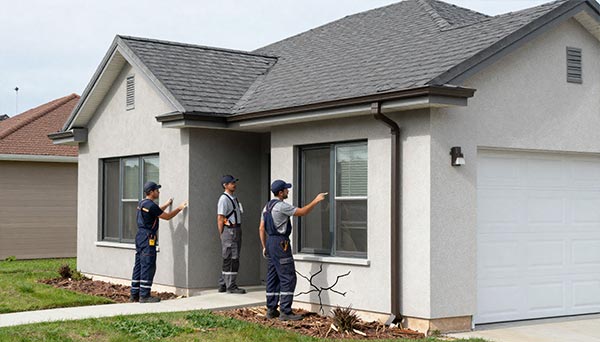
Minor foundation movement is normal, but early monitoring prevents serious problems.
Watch for:
-
Hairline wall cracks
-
Doors or windows sticking
-
Uneven flooring
-
Exterior settlement signs
Preventive repairs like sealing cracks or improving drainage can prevent major structural restoration later.
HVAC and Mechanical Systems
Heating and cooling systems often fail because of neglect rather than age.
Proactive home repair and restoration for mechanical systems includes:
-
Seasonal servicing by professionals
-
Filter replacement every 1–3 months
-
Duct inspection and cleaning
-
Thermostat calibration
Regular service improves efficiency and extends system lifespan.
Interior Surfaces and Finishes
Paint, flooring, and interior finishes protect structural elements underneath.
Preventive steps:
-
Touch-up paint to prevent moisture penetration
-
Reseal wood flooring when needed
-
Repair small drywall cracks early
-
Inspect bathrooms for grout deterioration
These small actions maintain both appearance and structural integrity.
Building a Long-Term Home Maintenance Planning System
Preventive care works best when it is organized. Random fixes rarely provide lasting protection.
Create a Seasonal Maintenance Calendar
Breaking tasks into seasons makes them manageable.
Spring
-
Roof inspection
-
Exterior cleaning
-
Foundation check
Summer
-
Exterior paint evaluation
-
Deck sealing
-
HVAC servicing
Fall
-
Gutter cleaning
-
Window sealing
-
Heating system inspection
Winter
-
Indoor moisture checks
-
Plumbing freeze prevention
-
Attic insulation review
This routine home restoration upkeep reduces workload and ensures nothing is overlooked.
Budgeting for Preventive Restoration
Many homeowners avoid maintenance because they fear costs. The reality is that planned spending is easier to control.
A common approach:
-
Set aside 1–3% of the home’s value annually for maintenance and minor restoration.
-
Prioritize safety and water-related repairs first.
-
Combine small projects to reduce contractor callout fees.
Preventive budgeting avoids financial shocks and keeps repairs predictable.
Real-Life Example: Small Repairs That Prevent Big Costs
Consider a typical suburban home where homeowners noticed slight discoloration on a ceiling. Instead of repainting and ignoring it, they scheduled an inspection.
The result:
-
Small roof flashing gap discovered
-
Repair completed in one day
-
Total cost remained minimal
Had it been ignored, moisture could have damaged insulation, framing, and interior drywall—multiplying costs several times over.
This illustrates how early intervention protects both finances and home value.
Signs You Need Preventive Restoration Now
Even without visible damage, certain warning signals indicate preventive action is necessary.
Look out for:
-
Increasing energy bills without clear cause
-
Persistent damp smells
-
Peeling exterior paint
-
Hairline wall cracks spreading
-
Uneven flooring
-
Frequent small plumbing issues
Addressing these early prevents them from becoming emergency restoration projects.
Choosing Professional Preventive Home Maintenance Services
While some tasks are DIY-friendly, professional inspections provide deeper insight.
When selecting a service provider:
-
Look for experience in restoration, not just repairs
-
Ask for inspection-based recommendations, not immediate upsells
-
Request clear maintenance schedules
-
Verify insurance and licensing
A professional partner can create a long-term plan tailored to the home’s age, materials, and climate conditions.
Preventive Restoration vs Traditional Home Repair
| Approach | Preventive Restoration | Traditional Repair |
|---|---|---|
| Timing | Before damage occurs | After damage appears |
| Cost pattern | Predictable, smaller | Sudden, larger |
| Stress level | Low | High |
| Home value | Preserved | Often reduced |
| Long-term outcome | Stable property health | Cycles of recurring issues |
Preventive strategies shift home care from reactive to strategic.
Practical Tips for Homeowners
-
Walk around your home monthly and look for changes.
-
Keep a digital record of inspections and repairs.
-
Photograph potential issues for comparison over time.
-
Address water-related problems immediately.
-
Schedule professional inspections at least once a year.
Consistency matters more than large one-time renovations.
Conclusion
Preventive home restoration maintenance is not about constant spending—it is about strategic care that protects your investment over time. By combining routine inspections, proactive repairs, and long-term planning, homeowners can avoid major damage, reduce expenses, and maintain a safer, more comfortable living environment.
The key is consistency. Small actions taken early almost always cost less than large repairs later.
For more ideas and guidance, follow us on Instagram.
FAQ – Preventive Home Restoration Maintenance
What is the difference between preventive maintenance and renovation?
Preventive maintenance focuses on preserving existing systems and preventing damage, while renovation usually upgrades or changes the space for aesthetic or functional reasons.
How often should a home be inspected for preventive maintenance?
A general inspection should happen annually, with seasonal checks for roofing, plumbing, and HVAC systems.
Is preventive home maintenance worth the cost?
Yes. Small, scheduled expenses typically cost far less than emergency repairs and help maintain property value.
Can homeowners do preventive restoration themselves?
Basic tasks like cleaning gutters or checking for leaks can be DIY. Structural, electrical, or complex issues should be handled by professionals.
What is the most important preventive maintenance task?
Water management. Most costly home damage begins with unmanaged moisture or leaks.
How does preventive maintenance affect resale value?
Well-maintained homes often sell faster and receive stronger offers because buyers perceive lower future risk.
Common Mistakes Homeowners Make
-
Waiting for visible damage before acting
-
Ignoring exterior maintenance
-
Skipping professional inspections to save money
-
Delaying small repairs repeatedly
-
Focusing only on interior appearance
These mistakes often lead to avoidable restoration expenses later.
A Simple Preventive Home Restoration Checklist
-
Inspect roof and gutters twice yearly
-
Check foundation for cracks
-
Service HVAC annually
-
Test moisture levels in basements and bathrooms
-
Seal exterior gaps and windows
-
Monitor utility bills for unusual increases
Small habits build strong long-term protection.