




Old House Restoration Without Losing Charm
A Complete Guide to Preserving Character While Upgrading Performance
Restoring an old house is not just a construction project. It’s a responsibility. Every historic trim detail, original hardwood plank, and aged brick wall tells a story. The challenge is clear: how do you modernize a property without erasing its soul?
This comprehensive guide walks you through old house restoration step by step — from structural repair to aesthetic preservation — with practical insights drawn from real restoration projects across the United States.
Transform Your Space with BUILPIRE – Book Your Consultation Today!
Why Old House Restoration Matters
Older homes were built differently. Solid wood framing, hand-crafted millwork, lime-based plaster, and architectural symmetry are difficult to replicate today. But these homes also come with aging systems, outdated layouts, and structural concerns.
A successful historic home restoration balances three goals:
-
Preserve architectural character
-
Improve structural integrity
-
Upgrade systems for safety and efficiency
Done correctly, restoration increases property value while protecting historical identity.
Step 1: Assess Before You Touch Anything
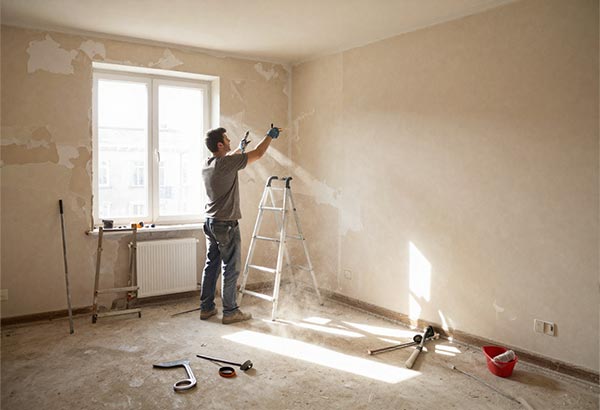
Before demolition or design begins, conduct a full property evaluation.
Structural Evaluation
Older homes often require:
-
Foundation inspection
-
Load-bearing wall assessment
-
Roof structure evaluation
-
Moisture damage review
-
Termite or pest inspection
In many U.S. heritage properties, especially those built before 1940, settling and wood rot are common. Addressing structural repair for old houses must come first. Cosmetic updates should never precede stability.
Historic Features Inventory
Create a documented list of:
-
Original windows and hardware
-
Crown molding and trim profiles
-
Staircase design
-
Fireplace mantels
-
Flooring materials
Photograph everything. Measure details. Even if restoration requires removal, you can replicate the original design accurately.
Step 2: Plan Restoration, Not Renovation
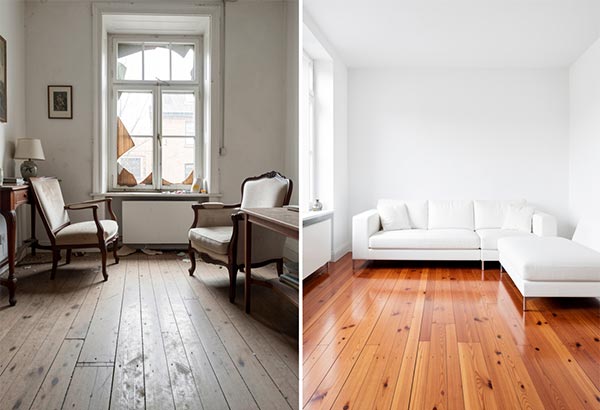
There is a difference between renovation and restoration.
Renovation changes.
Restoration preserves and improves.
When restoring a vintage home, prioritize:
-
Retaining original layout where possible
-
Repairing instead of replacing
-
Using era-appropriate materials
-
Matching architectural styles
For example, replacing solid wood doors with hollow-core modern doors may save money but destroys authenticity.
Step 3: Structural Repair for Old Houses
Structural upgrades must be discreet. The goal is invisibility.
Foundation Repair
Older foundations may require:
-
Reinforcement with steel supports
-
Concrete underpinning
-
Drainage correction
-
Crawl space moisture control
Modern reinforcement techniques allow stabilization without altering visible architecture.
Framing Reinforcement
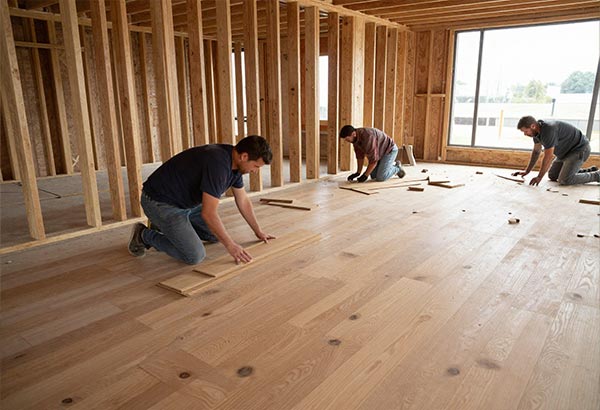
In heritage property restoration, reinforcing beams internally rather than replacing them preserves appearance. Sistering joists and concealed steel supports are common solutions.
Step 4: Upgrade Systems Without Losing Character
Electrical Systems
Many older homes still contain outdated wiring systems that pose safety risks.
Best practices:
-
Rewire internally while preserving wall finishes
-
Use period-style switch plates
-
Conceal outlets where possible
Plumbing
Galvanized steel pipes should be replaced with modern materials. During old house renovation services, routing new plumbing carefully prevents unnecessary wall damage.
HVAC Integration
Ductwork installation must be strategic. High-velocity mini-duct systems work well in historic homes because they require smaller openings.
Step 5: Windows and Insulation Strategy
Original windows define character. Replacing them with vinyl units drastically reduces historic value.
Instead:
-
Restore wood frames
-
Repair glazing
-
Add interior storm windows
-
Improve weather stripping
Insulation upgrades can be installed in attics and crawl spaces without affecting historic walls.
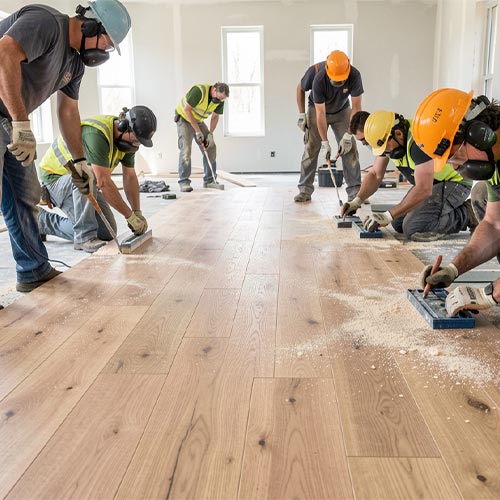
Step 6: Flooring Restoration
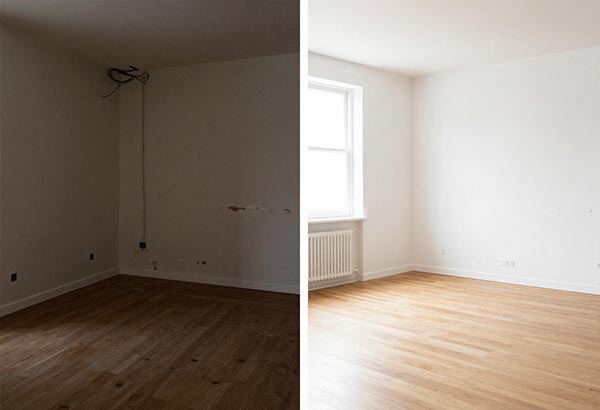
Hardwood floors in older homes are typically old-growth wood. They are denser and more durable than modern alternatives.
Process:
-
Inspect for structural damage
-
Replace only severely damaged boards
-
Sand lightly
-
Use low-sheen finishes
Avoid high-gloss polyurethane if the home is historic. Matte or satin finishes maintain authenticity.
Step 7: Restoring Walls and Ceilings
Plaster Repair
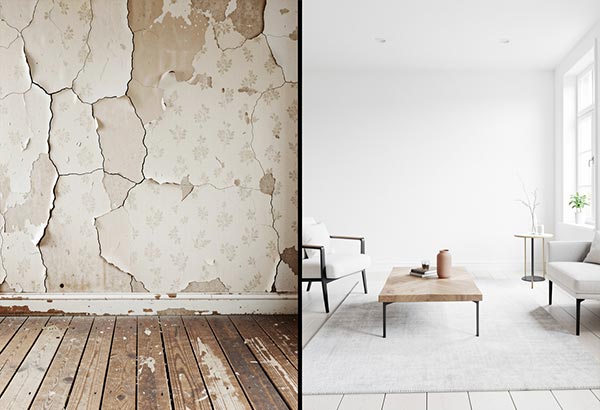
Original plaster walls crack over time but can be repaired. Removing plaster and replacing with drywall may seem easier but reduces value.
Moldings and Trim
If sections are damaged:
-
Create custom millwork to match profiles
-
Use hardwood consistent with original materials
Matching trim detail is one of the most overlooked aspects of restoring a vintage home.
Step 8: Kitchen and Bathroom Modernization (Carefully)
Modern buyers expect updated kitchens and bathrooms. The key is integration.
Tips:
-
Use shaker-style cabinetry in early 20th-century homes
-
Choose marble or soapstone countertops
-
Install classic subway tile
-
Use vintage-style fixtures
Avoid ultra-modern minimalism in a 1905 Craftsman home. It creates visual conflict.
Step 9: Exterior Restoration
Exterior charm defines curb appeal.
Siding
Repair original wood siding instead of replacing it with synthetic materials. When replacement is necessary, match width and profile exactly.
Brick and Masonry
Use lime-based mortar for repointing historic brick. Modern cement mortar can damage older brickwork.
Roofing
Choose materials consistent with the home’s era. Architectural shingles may not suit a Victorian property.
Common Mistakes in Old House Restoration
-
Removing original windows
-
Replacing hardwood floors unnecessarily
-
Ignoring moisture issues
-
Mixing incompatible architectural styles
-
Over-modernizing interiors
Restoration requires patience and expertise.
How Professional Old House Renovation Services Help
Experienced restoration contractors understand:
-
Local building codes
-
Historical district regulations
-
Structural reinforcement techniques
-
Material sourcing for historic properties
Working with a specialized team prevents costly mistakes and protects long-term value.
Cost Considerations in Historic Home Restoration
Restoration costs vary depending on:
-
Structural damage level
-
Size of the property
-
Historic preservation requirements
-
Material sourcing
In the U.S., comprehensive heritage property restoration often ranges between $150 to $400 per square foot depending on scope.
Investing properly ensures durability and long-term appreciation.
Final Thoughts
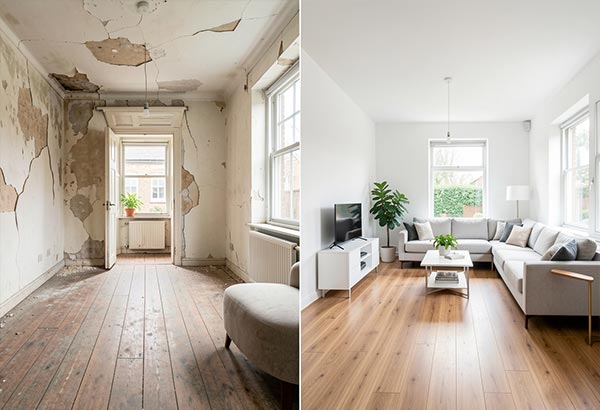
Old house restoration is about respect. Respect for craftsmanship, history, and architectural integrity.
When done correctly, restoring a vintage home does more than improve a property. It preserves a story while preparing it for another century of life.
If you are planning a historic home restoration project, partner with experienced professionals who understand both structure and character. The right approach protects your investment — and the home’s identity.
For more ideas and guidance, follow us on Instagram.
Frequently Asked Questions (FAQ)
Is restoring an old house more expensive than building new?
Often yes. Restoration involves specialized labor, custom materials, and structural repair. However, long-term value and uniqueness typically offset the cost.
Can I modernize an old house without losing its charm?
Yes. The key is preserving architectural elements while upgrading systems invisibly. Balance is everything.
Should original windows always be saved?
In most cases, yes. Properly restored wood windows can perform comparably to modern replacements while maintaining authenticity.
How long does a full historic home restoration take?
Depending on scope, projects may take 6 to 18 months.
Do I need special permits for heritage property restoration?
If the home is in a designated historic district, additional approvals are usually required.
What is the first step before restoring a vintage home?
A full structural and architectural assessment by professionals experienced in historic properties.