
Understanding Minimalist Home Design
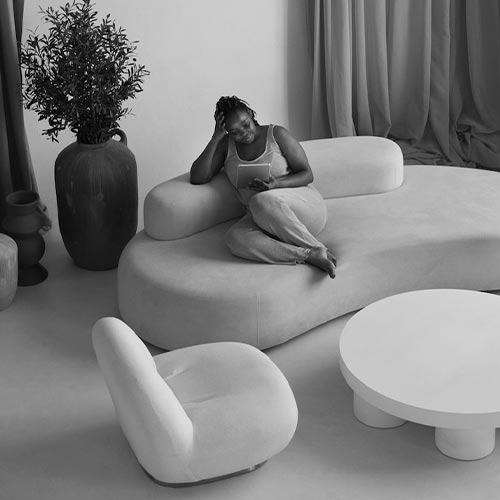
Minimalist home design is more than a visual trend—it’s a lifestyle choice. At its core, minimalist home design focuses on reducing excess while maximizing purpose. Instead of filling spaces with unnecessary décor, this design philosophy emphasizes intention. Every object has a reason to exist, and every space serves a clear function.
In today’s fast-paced world, homes often become cluttered both physically and mentally. Minimalist home design offers a refreshing alternative. It creates calm, breathable environments that support well-being, clarity, and efficiency. And honestly, who doesn’t want a home that feels peaceful the moment they walk in?
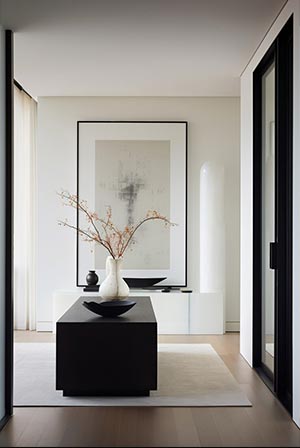
Transform Your Space with BUILPIRE – Book Your Consultation Today!
The Core Philosophy of Minimalism
Minimalism is rooted in the idea of “less but better.” Rather than sacrificing comfort, minimalist home design refines it. You’re not removing personality; you’re removing distraction. This philosophy encourages homeowners to focus on quality, craftsmanship, and usability.
Minimalist spaces often feel intentional and balanced. They don’t shout for attention. Instead, they quietly support daily life. That’s the magic.
Why Minimalist Home Design Matters Today
Modern life is noisy—digitally and physically. Minimalist home design responds by creating environments that promote focus and relaxation. Research even suggests that clutter-free spaces can reduce stress and improve productivity.
From smaller urban apartments to large family homes, minimalist home design adapts easily. It’s flexible, timeless, and surprisingly warm when done right.
Key Principles of Minimalist Home Design
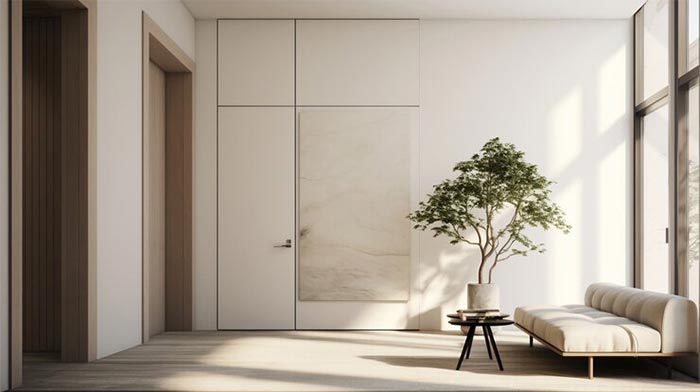
To truly understand minimalist home design, you need to grasp its foundational principles. These ideas guide every decision, from layout to lighting.
Simplicity Over Excess
Simplicity doesn’t mean boring. In minimalist home design, simplicity means clarity. Clean surfaces, limited décor, and intentional spacing allow the architecture and materials to shine.
A good rule of thumb? If an item doesn’t serve a purpose or bring genuine joy, it probably doesn’t belong.
Functionality Comes First
Minimalist home design always prioritizes function. Furniture, storage, and layouts are chosen based on how people actually live. This approach ensures that homes are not just beautiful but practical.
For example:
-
Built-in storage reduces visual clutter
-
Open layouts improve movement and light flow
-
Smart furniture maximizes limited space
Clean Lines and Open Spaces
Straight lines, simple forms, and open layouts define minimalist home design. These elements create visual order and make spaces feel larger and more breathable.
Walls, floors, and ceilings often work together as a unified backdrop rather than competing for attention.
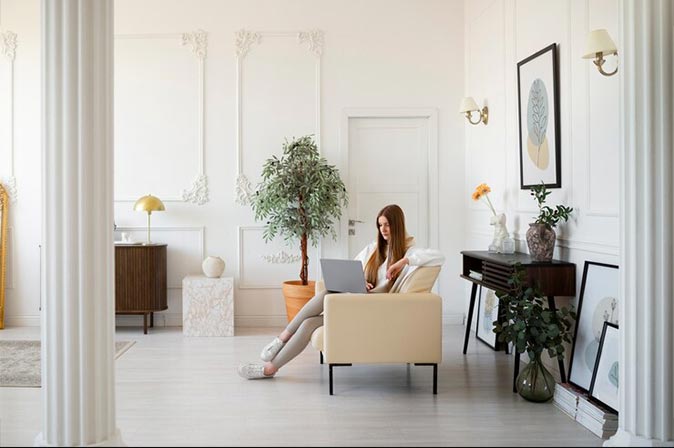
Color Palettes in Minimalist Homes
Color plays a subtle yet powerful role in minimalist home design. The right palette sets the emotional tone of the space.
Neutral Tones Explained
Neutral colors like white, beige, gray, and soft earth tones dominate minimalist interiors. These shades reflect light, create calm, and provide flexibility.
Neutral doesn’t mean flat. Variations in tone and finish keep spaces interesting without overwhelming the senses.
Using Contrast the Right Way
Contrast adds depth when used intentionally. Black accents, dark wood, or matte metal finishes can ground a space and highlight architectural features.
The key is restraint. In minimalist home design, contrast should guide the eye—not distract it.
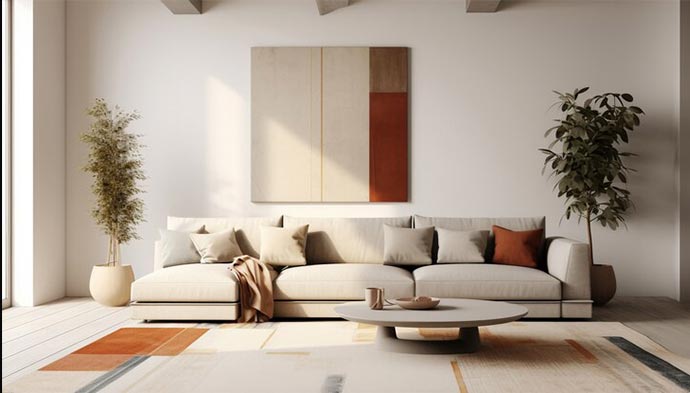
Furniture Selection for Minimalist Home Design
Furniture is where minimalist home design truly comes to life. Every piece matters.
Fewer Pieces, Better Quality
Instead of filling rooms with multiple items, minimalist design focuses on fewer, high-quality pieces. This approach reduces clutter and improves longevity.
Well-crafted furniture also adds character. A single statement chair can say more than five decorative ones.
Multi-Functional Furniture
Minimalist home design loves efficiency. Multi-functional furniture—like storage beds, extendable tables, or modular sofas—keeps spaces flexible.
This is especially valuable in smaller homes where every square meter counts.
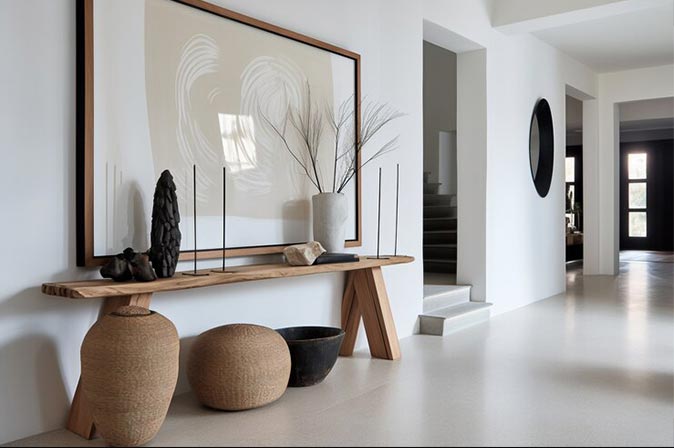
Lighting in Minimalist Interiors
Lighting can make or break minimalist home design. It’s not just about brightness—it’s about mood and balance.
Natural Light Optimization
Large windows, sheer curtains, and open layouts allow natural light to flood minimalist spaces. This reduces reliance on artificial lighting and enhances well-being.
Minimalist home design often treats light as a design element in itself.
Artificial Lighting Choices
When artificial lighting is needed, simplicity rules. Recessed lights, pendant lamps, and soft LED strips provide clean illumination without visual clutter.
Warm light temperatures usually work best to maintain a welcoming atmosphere.
Materials and Textures
Minimalist home design relies heavily on materials and textures to create interest without excess.
Natural Materials in Minimalist Home Design
Wood, stone, linen, concrete, and glass are staples. These materials age gracefully and add authenticity.
Using natural materials also supports sustainability—an increasingly important factor in modern design.
For more insights on sustainable materials, visit
👉 https://www.archdaily.com
Texture Without Clutter
Texture replaces ornamentation in minimalist homes. A textured wall, woven rug, or matte finish adds depth while keeping the space clean.
The trick is layering subtly, not stacking.
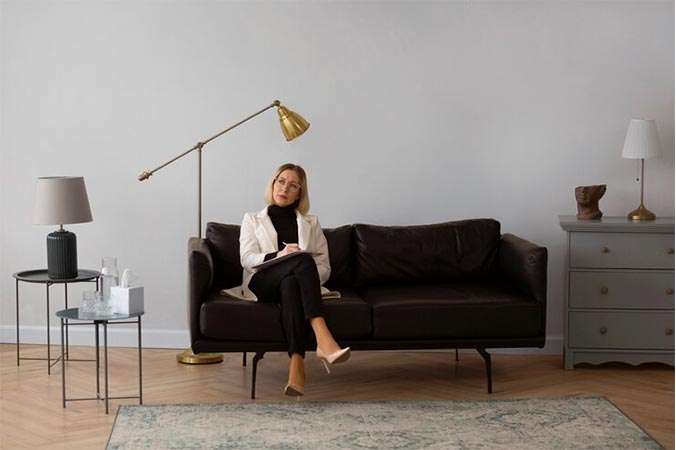
Minimalist Home Design Room by Room
Applying minimalist home design consistently across rooms ensures harmony throughout the home.
Living Room
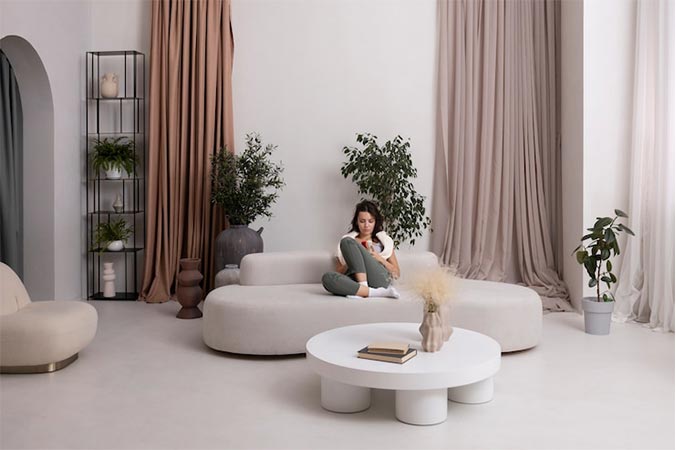
The living room should feel open and inviting. Key elements include:
-
A simple sofa
-
One focal point (art or window)
-
Hidden storage
Avoid overcrowding. Space itself is part of the design.
Bedroom
Minimalist bedrooms prioritize rest. Neutral colors, soft textures, and minimal furniture promote better sleep.
A clutter-free bedroom often leads to a clearer mind.
Kitchen
In minimalist home design, kitchens are sleek and efficient. Handle-less cabinets, integrated appliances, and clear countertops are common features.
Everything has a place—and stays there.
Bathroom
Minimalist bathrooms feel spa-like. Clean surfaces, floating vanities, and simple fixtures create a sense of calm and hygiene.
Common Mistakes to Avoid
Even good intentions can go wrong. Common minimalist home design mistakes include:
-
Making spaces too cold or sterile
-
Removing personality entirely
-
Ignoring storage needs
Minimalism should feel livable, not showroom-perfect.
Benefits of Minimalist Home Design
Minimalist home design offers long-term advantages:
-
Easier cleaning and maintenance
-
Reduced stress and mental clutter
-
Timeless aesthetic appeal
-
Better use of space
It’s not just a design choice—it’s a smarter way to live.
Conclusion
Minimalist home design is not about living with less—it’s about living better. By focusing on simplicity, functionality, and intention, it creates spaces that support both comfort and clarity. Whether you’re redesigning a single room or an entire home, minimalist home design offers a proven path to a calmer, more meaningful living environment.
For more ideas and guidance, follow us on Instagram.
Frequently Asked Questions (FAQs)
1. Is minimalist home design suitable for families?
Yes. With smart storage and flexible layouts, minimalist home design works well for families.
2. Does minimalist mean no decoration?
No. It means intentional decoration. Every item should have meaning or function.
3. Is minimalist home design expensive?
Not necessarily. Fewer items often balance out higher-quality purchases.
4. Can minimalist design feel warm?
Absolutely. Warm materials, lighting, and textures prevent a cold feel.
5. How do I start transitioning to minimalist home design?
Start by decluttering and defining what you truly need.
6. Is minimalist home design timeless?
Yes. Its principles remain relevant regardless of trends.