



![interior home restoration]](https://builpire.com/wp-content/uploads/2026/01/interior-home-restoration.jpg)
Interior Home Restoration: What It Really Means
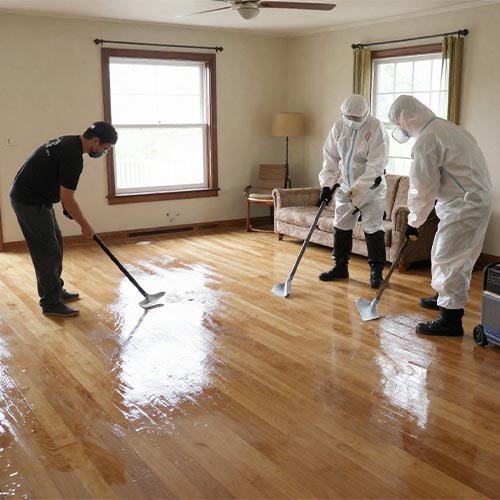
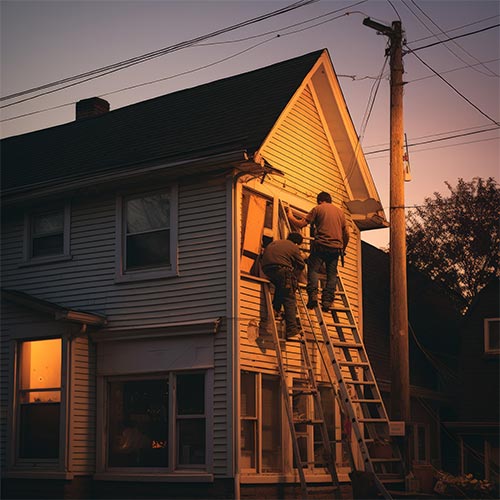
Interior home restoration goes far beyond visual upgrades. It focuses on repairing, renewing, and modernizing the interior of a home while preserving its structural integrity and long-term functionality.
Many homeowners turn to restoration when their property shows signs of age, hidden damage, or outdated systems. The goal is not just to improve how a home looks, but how it performs and feels every day.
Unlike surface-level remodeling, interior home restoration addresses the core issues that affect comfort, safety, and value.
Transform Your Space with BUILPIRE – Book Your Consultation Today!
Interior House Renovation vs. Interior Home Restoration
Although often used interchangeably, renovation and restoration serve different purposes.
Interior House Renovation
-
Focuses mainly on aesthetics
-
Updates finishes, layouts, and design elements
-
Ideal for homes in good structural condition
Residential Interior Restoration
-
Repairs underlying damage
-
Updates aging electrical, plumbing, and insulation systems
-
Preserves functional elements where possible
-
Designed for older homes or properties with long-term wear
If a home has recurring issues that cosmetic upgrades fail to solve, restoration is the more effective approach.

When Interior Home Restoration Is the Right Choice
Interior restoration is recommended when homeowners experience:
-
Cracks that return after repainting
-
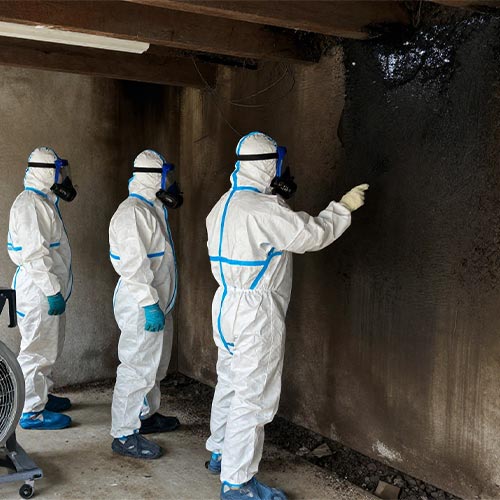
Persistent moisture or mold issues
-
Outdated wiring or plumbing
-
Poor insulation or temperature control
-
Layouts that no longer fit modern living
These problems often indicate deeper issues that require professional restoration rather than simple remodeling.
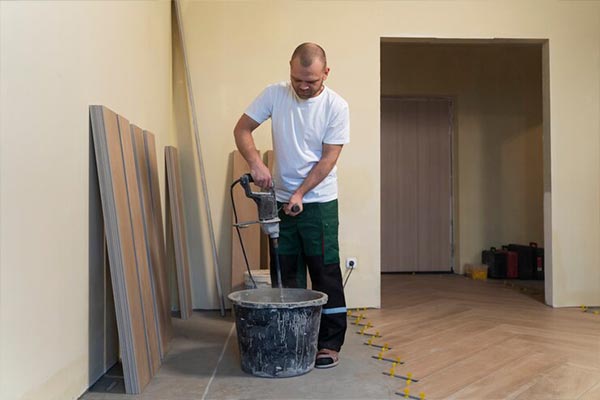
The Interior Home Restoration Process
1. In-Depth Interior Assessment
A proper restoration begins with a detailed evaluation of:
-
Walls, ceilings, and load-bearing elements
-
Electrical and plumbing systems
-
Moisture damage and insulation performance
-
Flooring and subfloor stability
This assessment prevents unexpected costs and delays later.
2. Restoration Planning and Scope Definition
At this stage, professionals determine:
-
What must be repaired or replaced
-
What can be restored or reused
-
Which upgrades deliver long-term value
Clear planning keeps the project efficient and cost-controlled.
3. Core Interior Repairs
This phase focuses on safety and durability:
-
Structural wall repairs
-
Ceiling and drywall restoration
-
Electrical system upgrades
-
Plumbing repairs or replacement
-
Moisture mitigation and insulation improvements
These steps form the foundation of a successful interior restoration.
4. Home Interior Remodeling and Upgrades
Once the home is technically sound, visual and functional improvements begin:
-
Space reconfiguration
-
Kitchen and bathroom updates
-
Modern lighting solutions
-
Flooring and wall finishes
This is where the home starts to feel completely renewed.
5. Final Finishing and Quality Review
The last phase ensures:
-
Clean, even finishes
-
Proper alignment of fixtures and cabinetry
-
Balanced lighting and airflow
-
Overall comfort and usability
A professional walkthrough confirms the restoration meets quality standards.
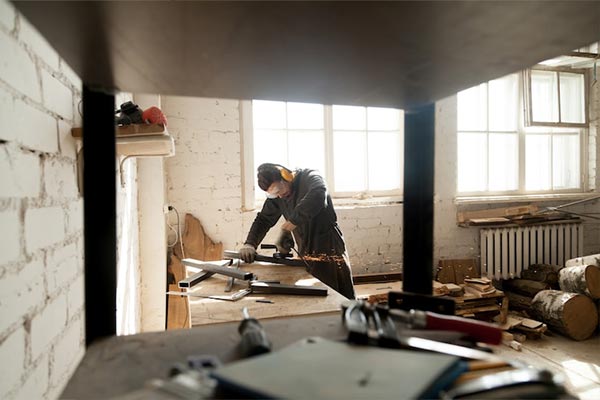
Interior Restoration Services: What Homeowners Should Expect
Reputable interior restoration services typically offer:
-
Professional inspections and consultations
-
Transparent pricing and timelines
-
Licensed and experienced contractors
-
Clear communication throughout the project
-
Post-restoration support
Choosing expertise over the lowest bid often leads to better long-term results.
Practical Insights From Real Restoration Projects
-
Address moisture issues before cosmetic work
-
Upgrade electrical systems early in the process
-
Restore solid materials instead of replacing them unnecessarily
-
Plan storage and layout improvements based on daily habits
Well-executed restoration projects often reduce future maintenance costs and improve energy efficiency.
Common Interior Restoration Mistakes
-
Skipping professional inspections
-
Focusing only on appearance
-
Underestimating the importance of technical systems
-
Choosing contractors based solely on price
Restoration works best when it’s planned as a long-term investment.
Cost Factors in Interior Home Restoration
Pricing depends on:
-
Property size and condition
-
Extent of structural or system damage
-
Material quality
-
Labor expertise
-
Project complexity
A clearly defined scope helps avoid unexpected expenses.
Long-Term Benefits of Interior Home Restoration
-
Increased property value
-
Improved safety and comfort
-
Reduced ongoing repair costs
-
Homes that meet modern living standards
Buyers and occupants alike benefit from properly restored interiors.
Final Thoughts
Interior home restoration is the most effective way to transform a worn interior into a space that feels truly brand new—without masking deeper problems.
When done correctly, restoration improves how a home functions today and how it holds value in the future.
For more ideas and guidance, follow us on Instagram.
FAQ – Interior Home Restoration
What is interior home restoration?
It’s the process of repairing and renewing a home’s interior to improve safety, functionality, and longevity.
How is restoration different from remodeling?
Restoration fixes underlying issues, while remodeling focuses on design and layout changes.
How long does an interior restoration take?
Most projects take several weeks, depending on scope and condition.
Can restoration be done in stages?
Yes. Many homeowners choose phased restoration to manage budget and disruption.
Does interior restoration add value to a home?
Yes. Professionally restored interiors often have higher market appeal and durability.