


How to Spot Water Damage Before It Gets Worse: A Complete Homeowner’s Guide
Water damage is one of the most common yet most underestimated threats to residential and commercial properties. It can begin silently, spread quickly, and cause thousands of dollars in structural repairs if left undetected. Many homeowners only notice the problem once the signs become severe — but with the right knowledge, you can identify early indicators long before the situation escalates. This is exactly why understanding How to Spot Water Damage Before It Gets Worse is an essential skill for every property owner.
Whether you live in an older home with aging plumbing or a newly renovated property with modern materials, the risk of water damage is always present. Pipes can leak behind the walls, roofs can develop undetectable cracks, and poor drainage can slowly weaken the foundation. The best defense is early detection, and learning How to Spot Water Damage Before It Gets Worse gives you a practical advantage that prevents serious structural harm, mold growth, and financial strain.
Transform Your Space with BUILPIRE – Book Your Consultation Today!
Another reason to learn How to Spot Water Damage Before It Gets Worse is that today’s homes contain more built-in systems — HVAC units, insulation layers, multi-level plumbing, and advanced appliances — all of which can fail unexpectedly. A tiny leak in an attic, a misaligned faucet connection, or trapped moisture beneath tiles can quickly escalate into a major problem if ignored. Most of these issues start small and remain invisible to the untrained eye until the damage is already widespread.
Fortunately, spotting water damage early doesn’t require advanced skills or professional tools. What you need is awareness — an understanding of the visual, structural, and sensory signs that indicate water is traveling where it shouldn’t. In this comprehensive guide, we break down the most critical early symptoms of water damage, where to look for hidden issues, which warning signs require immediate attention, and how to prevent the problem from recurring. You will learn how to inspect walls, ceilings, floors, plumbing systems, basements, exterior surfaces, and more.
By the end of this article, you’ll be equipped with a clear, actionable, and practical system that helps you protect your property from long-term harm. Water damage is manageable — but only when caught early. Let’s dive into the key signs, prevention methods, and professional guidance you need to safeguard your living space effectively.
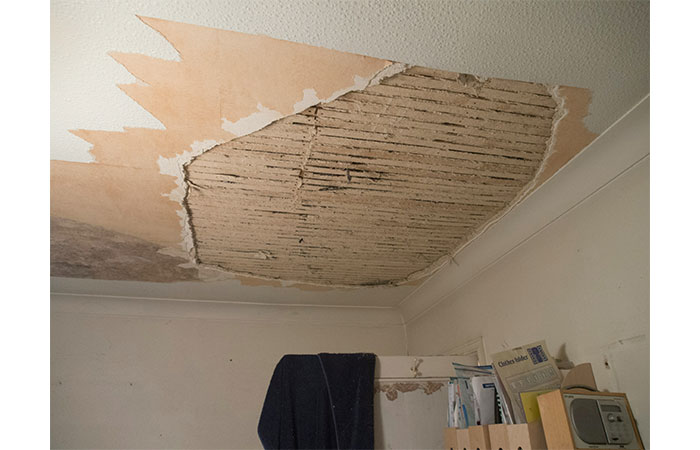
Understanding What Water Damage Really Is
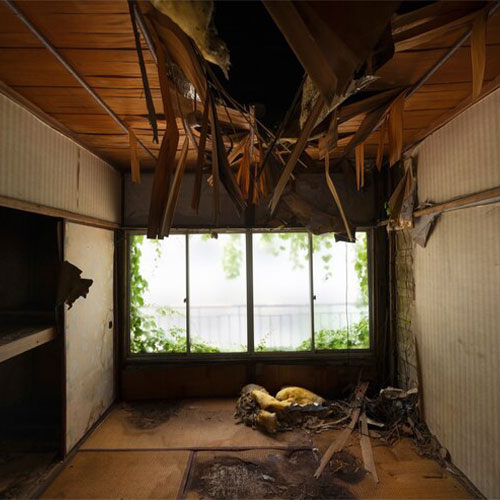
Water damage occurs when unwanted moisture intrudes into building materials such as wood, drywall, insulation, concrete, or flooring. When left untreated, it weakens structural integrity, encourages mold growth, damages electrical systems, and destroys interior finishes. Recognizing the earliest signs is essential, especially if your goal is learning How to Spot Water Damage Before It Gets Worse.
Early Visual Signs of Water Damage
Stains and Discoloration
Yellow or brown stains on ceilings or walls are classic water-damage indicators. They usually signal slow, long-term leaks from pipes, roofs, or upstairs bathrooms.
Peeling or Bubbling Paint
When paint begins to separate from the surface, water is almost always involved. Moisture pushes against the paint layer, causing blistering, flaking, or bubbling.
Warped or Swollen Materials
Wood, drywall, and laminate floors absorb moisture easily. If these surfaces look swollen, uneven, or distorted, hidden water is likely the cause.
Subtle Warning Signs You Should Never Ignore
Musty Odors
A persistent damp smell indicates mold growth — one of the earliest warning signs of hidden leaks.
Cold or Damp Spots on Walls
Touch interior surfaces occasionally. Moisture often creates cool patches that feel different from the surrounding wall.
Sudden Spike in Water Bills
If your usage hasn’t changed but your bill has increased, you likely have an unseen leak.
High-Risk Areas to Inspect Regularly
Bathrooms
Look for loose tiles, cracked grout, or moisture around fixtures. These are typical failure points in bathrooms.
Kitchens
Check beneath sinks, around dishwashers, and under refrigerators with water dispensers or ice makers.
Basements and Crawl Spaces
These areas often reveal early damage, especially during wet seasons. Inspect for damp concrete, mold patches, or unusual humidity.
Attics and Roof Structures
Look for wet insulation, damaged roofing materials, or sunlight shining through roof gaps.
Identifying these areas is essential when trying to understand How to Spot Water Damage Before It Gets Worse.
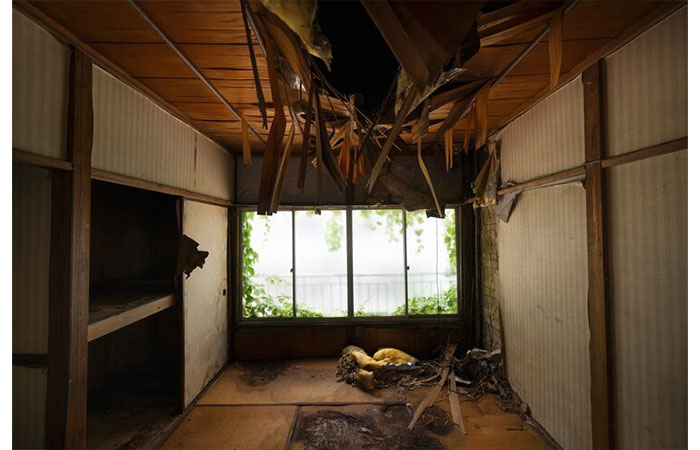
Structural Signs of Progressive Water Damage
Cracks in Walls or Ceilings
Water weakens structural materials, causing cracks or sagging surfaces.
Loose Flooring
Tiles that shift, hardwood that buckles, or carpets that feel damp indicate serious hidden moisture.
Rust on Metal Fixtures
Water exposure causes oxidation on nails, hinges, or metal beams.
Moisture Behind Walls: Hidden but Dangerous
Not all water damage is visible. Sometimes leaks occur inside walls for weeks before appearing on the surface. To learn How to Spot Water Damage Before It Gets Worse, you must know how to identify these hidden issues:
-
Listen for dripping sounds behind walls
-
Tap surfaces to check for hollow-sounding areas
-
Use a low-cost moisture meter for periodic checks
If any signs persist, professional inspection is recommended.
The Role of Mold and Mildew
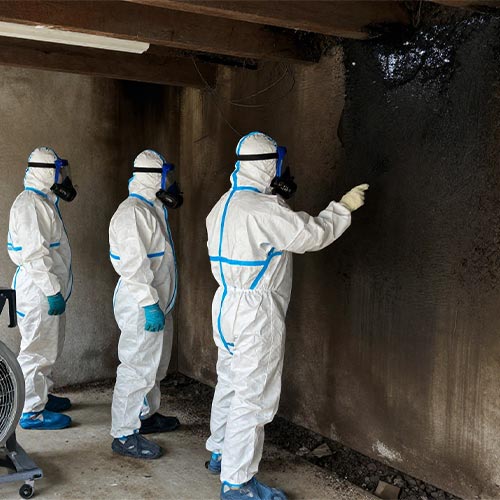
Mold thrives in moist environments. If you see green, black, or white patches — even tiny ones — your property likely has an ongoing water intrusion issue.
Health risks include:
-
Allergic reactions
-
Respiratory irritation
-
Long-term lung problems
Early mold detection is a major step toward mastering How to Spot Water Damage Before It Gets Worse.
Outdoor Signs of Water Damage
Gutters and Downspouts
Clogged gutters cause water to overflow and leak into walls or foundations.
Foundation Cracks
Moisture accumulates around the foundation, causing hairline cracks that grow over time.
Roof Surface Damage
Loose shingles, flashing gaps, or clogged roof valleys allow moisture into the structure.
Preventing Water Damage Before It Starts
Regular Maintenance
-
Clean gutters
-
Inspect plumbing annually
-
Seal window and door frames
Improve Ventilation
Ensure bathrooms, kitchens, and attics have proper airflow to reduce humidity.
Install Leak Detectors
These devices shut off water automatically when leaks occur.
When You Need Professional Help
DIY inspection is helpful, but some situations require expert intervention — especially complex plumbing issues, mold remediation, or structural risks. Professionals know exactly How to Spot Water Damage Before It Gets Worse, even in areas homeowners cannot easily access.
Summary: The Importance of Early Detection
Learning How to Spot Water Damage Before It Gets Worse is one of the smartest investments you can make in protecting your home. Early detection saves you money, prevents health issues, and protects your property’s long-term value.
About Builpire
If you’re facing water damage, planning a home renovation, or need expert guidance in restoring impacted areas, Builpire is a trusted company specializing in home remodeling, restoration, and interior design. Their experienced team can repair structural issues, redesign affected spaces, and ensure your home remains safe, functional, and aesthetically pleasing.
For more ideas and guidance, follow us on Instagram.
FAQs
1. What is the easiest way to identify early water damage?
Look for stains, peeling paint, musty odors, and unexpected humidity. These are early signs that help you understand How to Spot Water Damage Before It Gets Worse.
2. Can water damage occur behind walls without showing visible signs?
Yes. Hidden leaks behind drywall are common. Listening for drips, detecting cold spots, and monitoring water bills help uncover these issues.
3. How often should I inspect my home for water damage?
Perform a full inspection every three months, and check high-risk areas like bathrooms and basements monthly.
4. What should I do if I find mold caused by water damage?
Isolate the area, avoid disturbing the mold, and contact a professional remediation service immediately.
5. When should I call an expert to assess water damage?
If the leak source is unclear, the damage spreads quickly, or mold is present, professional assessment is essential to truly master How to Spot Water Damage Before It Gets Worse.