



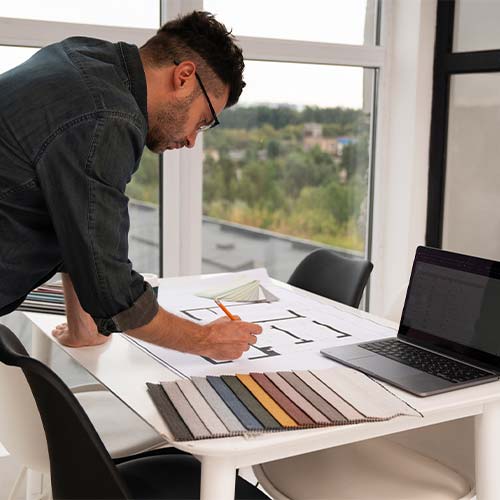
How to Choose the Right Interior Designer?
When you’re planning a home makeover, one of the most crucial decisions you’ll face is how to choose the right interior designer. With so many professionals offering their services, it’s easy to feel overwhelmed. That’s why understanding how to choose the right interior designer becomes essential. A great designer doesn’t just beautify your space; they understand your vision, needs, and lifestyle. Learning how to choose the right interior designer ensures that your project flows smoothly, stays on budget, and delivers a result that feels uniquely yours.
This guide is tailored to help homeowners, renovators, and even renters who want to transform their living environment. By the end of this article, you’ll clearly understand how to choose the right interior designer based on your style, budget, and timeline. You’ll avoid common pitfalls and discover strategies that seasoned homeowners use to make smart design choices. So, if you’re wondering how to choose the right interior designer and want a space that reflects your personality and purpose, keep reading!
Transform Your Space with BUILPIRE – Book Your Consultation Today!
1. Understand Your Needs and Style
Before hiring an interior designer, you must know what you’re looking for. Are you planning a complete home renovation or just refreshing your living room? Defining your goals helps narrow down the list of potential designers.
- Create a mood board with ideas
- Identify your preferred design style (modern, minimalist, bohemian, etc.)
- Decide which rooms or areas you want to transform
When you understand your style and expectations, it becomes easier to communicate with designers and evaluate if they’re a good fit.
2. Set a Realistic Budget
A common mistake in the interior design process is underestimating costs. Before you start reaching out to professionals, determine how much you’re willing to spend.
- Include design fees, materials, furniture, and unexpected costs
- Be transparent with your designer about your budget
A skilled designer will help you make the most of your resources and recommend where to splurge and where to save.
3. Research and Shortlist Designers
Once you’re clear on your style and budget, start searching for designers.
- Look at online portfolios, reviews, and ratings
- Ask friends or family for recommendations
- Visit platforms like Houzz, Instagram, or Pinterest
Shortlist 3–5 designers who resonate with your aesthetic. This makes the decision process manageable.
4. Review Their Portfolio
A designer’s portfolio reveals their versatility and strengths.
- Look for projects that align with your goals
- Check the quality of craftsmanship
- Evaluate how they manage color, lighting, and space
If a designer hasn’t worked on a project similar to yours, it’s okay to ask how they would approach it.
5. Schedule Interviews and Ask the Right Questions
Interviews are your chance to gauge compatibility.
Key questions include:
- What is your design process?
- How do you handle project timelines and budgets?
- Can you provide references?
- Do you collaborate with contractors or recommend suppliers?
This step is crucial in understanding how to choose the right interior designer who fits your project style and communication preferences.
6. Understand the Design Contract
Once you’ve selected a designer, they will likely provide a contract.
- Read the fine print
- Look for details about payment schedules, deliverables, and timeline
- Ensure there are clear terms about revisions and changes
Having a detailed contract protects both parties and sets expectations.
7. Look for Chemistry and Communication
The best projects are built on mutual respect and good communication.
- Are they receptive to your ideas?
- Do they offer creative suggestions?
- Do they explain things clearly?
You’ll be working closely with this person, so compatibility matters just as much as their portfolio.
8. Check References and Reviews
Before finalizing your decision, contact past clients.
- Ask about the overall experience
- Did the designer stick to budget and timelines?
- Were they responsive and professional?
Reviews offer insights into the designer’s reliability and client relationships.
9. Trust Your Instincts
Even after reviewing credentials and portfolios, your gut feeling is powerful.
If a designer feels right to you and understands your needs deeply, that’s often the best indicator you’re making the correct choice.
10. Collaborate, Don’t Dictate
Remember that designers are experts. While your vision matters, be open to their expertise.
- Embrace collaboration
- Allow flexibility for design suggestions
- Keep communication open throughout the project
For more ideas and guidance, follow us on Instagram.
Conclusion: Design Your Dream Home With Confidence
Knowing how to choose the right interior designer gives you power. It lets you approach your renovation journey with confidence and clarity. By following the steps above—defining your needs, researching carefully, interviewing strategically—you’ll find a designer who not only delivers but exceeds expectations.
If you’re still unsure where to begin, Builpire is an excellent place to start. As a trusted company specializing in home renovations and interior design, Builpire combines creativity with functionality. Their portfolio spans from minimalist apartments to luxurious villas, always with a focus on the client’s lifestyle and taste. Choosing Builpire means choosing a partner in creating your dream home.
FAQs About How to Choose the Right Interior Designer
1. How much should I budget for an interior designer?
Depending on the scope, interior designers can charge hourly ($50–$200), by project, or as a percentage of the overall cost (10–25%). Always clarify fees upfront.
2. What qualifications should I look for in an interior designer?
Look for certifications (like NCIDQ), a strong portfolio, positive client reviews, and good communication skills.
3. Can an interior designer work within a tight budget?
Yes! Experienced designers often help clients maximize limited budgets through smart sourcing and prioritizing essential changes.
4. Should I hire a local interior designer?
Hiring local is beneficial as they’re familiar with nearby suppliers, contractors, and regional styles. But remote collaboration is possible too.
5. How long does a typical interior design project take?
Project timelines vary, from a few weeks for single rooms to several months for full renovations. A detailed timeline should be included in the contract.
6. What if I don’t like the designer’s initial concepts?
A good designer will revise the plans to match your feedback. Look for someone who offers a few rounds of revisions in their contract.
7. How can I be sure a designer will respect my style?
Communication is key. Share visuals, inspirations, and clearly outline your expectations. A great designer adapts to your vision.