







Title: Complete Guide to Home Remodeling and Interior Services
When it comes to enhancing the beauty, functionality, and value of your living space, home remodeling and interior services play a vital role. Whether you’re planning to renovate a single room or your entire home, professional home remodeling and interior services ensure a seamless process from concept to completion. In today’s fast-paced world, homeowners are looking for personalized solutions that not only reflect their style but also add value to their property. That’s where home remodeling and interior services step in — offering creative design, structural improvements, and detailed finishes that transform outdated spaces into dream homes.
The demand for home remodeling and interior services has surged in recent years due to changing lifestyle needs, increasing property values, and evolving interior design trends. Homeowners no longer see remodeling as a luxury but as a necessary investment. Whether it’s updating a kitchen to be more functional, turning a basement into a home office, or enhancing the overall layout of the house, these services offer custom solutions tailored to individual needs.
Choosing the right provider of home remodeling and interior services can make all the difference. A skilled and experienced team brings your vision to life while managing time, budget, and quality control. With so many service providers in the market, homeowners should look for licensed contractors with a proven track record, strong communication, and a comprehensive approach to design and execution.
This guide explores every aspect of home remodeling and interior services—from planning and budgeting to choosing materials, working with designers, and understanding timelines. We will also discuss the latest trends in home interiors, sustainable design options, and practical tips to ensure your renovation journey is smooth and successful. So, whether you’re dreaming of a modern kitchen, a cozy living room, or a complete home overhaul, this complete guide is your roadmap to turning your house into the perfect home.
Transform Your Space with BUILPIRE – Book Your Consultation Today!
1. Understanding Home Remodeling and Interior Services
Home remodeling involves structural changes and updates to enhance the usability, safety, and aesthetics of a home. Interior services, on the other hand, focus on design, layout, decoration, and furniture arrangements to improve the internal appeal of a house. Together, home remodeling and interior services provide a complete transformation that includes both functional and visual upgrades.
Common remodeling projects include:
-
Kitchen and bathroom renovations
-
Basement finishing
-
Room additions
-
Flooring replacement
-
Window and door upgrades
Interior services typically cover:
-
Space planning
-
Color consultation
-
Furniture selection
-
Lighting design
-
Wall treatments and textures
2. Benefits of Professional Home Remodeling and Interior Services
-
Increased Property Value: High-quality renovations can significantly raise your home’s market value.
-
Improved Functionality: Layout changes can enhance space usage and daily convenience.
-
Energy Efficiency: Modern upgrades can reduce energy consumption and utility bills.
-
Modern Aesthetics: Professional interior design brings a fresh and contemporary look.
-
Personalization: Tailored designs make your home uniquely yours.
3. Planning Your Remodeling Project
Before hiring professionals, it’s important to:
-
Define your goals clearly
-
Set a realistic budget
-
Research design inspirations
-
List priorities (must-haves vs. nice-to-haves)
Professional contractors will help create a detailed project plan, estimate costs, and provide timelines for each stage of the remodeling process.
4. Trends in Interior Design and Remodeling (2025 Edition)
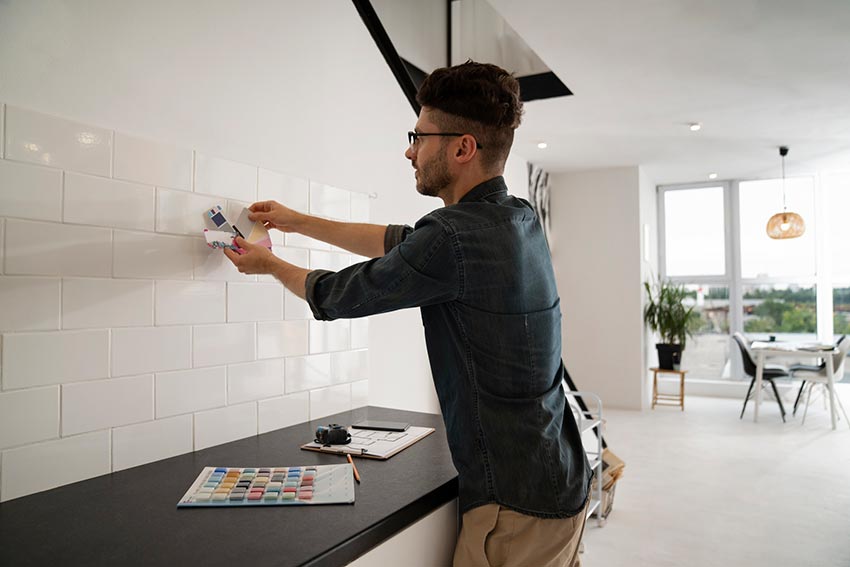
Keeping your home updated with current trends ensures longevity and appeal. Some of the top trends in home remodeling and interior services include:
-
Sustainable Materials: Bamboo, reclaimed wood, and recycled materials are in high demand.
-
Open-Concept Layouts: Creating spacious and connected areas for easier movement and better light.
-
Smart Home Integration: Adding technology like smart thermostats, lighting, and security.
-
Nature-Inspired Designs: Use of earthy tones, indoor plants, and natural textures.
-
Multifunctional Spaces: Home offices, gym corners, and reading nooks.
5. Cost Factors and Budgeting Tips
The cost of home remodeling and interior services depends on several factors:
-
Size of the project
-
Materials used
-
Labor costs
-
Location
-
Permits and inspections
Budgeting Tips:
-
Allocate 10–20% buffer for unexpected costs
-
Invest more in high-traffic areas like kitchens and bathrooms
-
Get multiple quotes before hiring
-
Avoid unnecessary luxury features that don’t add resale value
6. Choosing the Right Contractor and Interior Designer
A reliable contractor or interior designer can streamline the entire renovation process. Here’s how to choose the right professional:
-
Check credentials, licenses, and insurance
-
Review past work and client testimonials
-
Get a detailed written proposal
-
Look for strong communication and transparency
7. Timeline for a Typical Remodeling Project
Timelines vary depending on the scope. Here’s a rough breakdown:
-
Planning & Design: 2–4 weeks
-
Permits & Approvals: 1–3 weeks
-
Construction & Renovation: 4–12 weeks
-
Final Touches & Inspections: 1–2 weeks
Keeping in touch with your contractor throughout ensures smooth progress and avoids delays.
8. Mistakes to Avoid in Home Remodeling and Interior Services
-
Underestimating the budget
-
Hiring without proper research
-
Ignoring the importance of permits
-
Skipping design consultations
-
Over-customizing in ways that hurt resale value
9. Why You Should Work with Builpire
When it comes to expert home remodeling and interior services, Builpire stands out as a trusted name in the industry. With years of experience, Builpire offers tailored renovation solutions that combine functionality, style, and value. Their team of skilled designers and builders work closely with homeowners to bring visions to life—on time and within budget.
Whether you’re planning a kitchen renovation, a full home makeover, or simply need professional interior design advice, Builpire is your go-to partner for a hassle-free remodeling experience. They are committed to excellence, attention to detail, and delivering outstanding results.
For more ideas and guidance, follow us on Instagram.
Frequently Asked Questions (FAQs)
1. How long does a typical home remodeling project take?
The timeline for a home remodeling project depends on several factors, including the size and scope of the project, availability of materials, required permits, and whether structural changes are involved. Generally:
-
Small projects (e.g., bathroom upgrades, flooring changes): 2–4 weeks
-
Medium projects (e.g., kitchen remodel, basement finishing): 6–10 weeks
-
Large-scale renovations (e.g., full-home remodels, layout changes): 3–6 months or more
Delays can occur due to weather, labor shortages, custom orders, or unexpected structural issues. A well-planned project with clear communication between the homeowner and contractor can minimize delays and keep everything on schedule.
2. Can I live in my house during the remodeling process?
Yes, in many cases, you can live in your home during remodeling — especially if the work is limited to a specific area like a bathroom or single room. However, there are a few key considerations:
-
Safety and Comfort: If the project involves dust, noise, or hazardous materials (e.g., asbestos removal or major electrical rewiring), temporary relocation may be safer.
-
Access to Essential Areas: If kitchens or bathrooms are unusable for extended periods, you might need alternative arrangements.
-
Time and Cost Efficiency: Contractors often work faster in vacant homes, and you may avoid extra fees associated with working around occupants.
Some homeowners choose to stay with family or in short-term rentals to reduce stress and allow for uninterrupted work.
3. How do I choose between different interior design styles?
Choosing the right interior design style involves a blend of personal taste, lifestyle needs, and the architectural character of your home. Here’s a helpful approach:
-
Start with Inspiration: Browse platforms like Pinterest, Instagram, or interior design blogs. Save images that resonate with you.
-
Identify Key Preferences: Do you prefer minimalism or bold patterns? Warm neutrals or vibrant colors? Classic or modern touches?
-
Assess Functionality: Consider your daily routines, family dynamics, and storage needs. A style should reflect your lifestyle.
-
Consult a Designer: A professional interior designer can guide you toward styles that suit your space, budget, and vision.
-
Popular Styles: Modern, Contemporary, Scandinavian, Bohemian, Traditional, Farmhouse, and Industrial are trending and adaptable to various homes.
Blending elements from different styles (called transitional design) is also a great option for creating a unique and personalized look.
4. What’s the difference between renovation and remodeling?
Though often used interchangeably, renovation and remodeling have distinct meanings in the construction and design industry:
-
Renovation: Focuses on restoring or updating existing structures without changing the layout. It includes painting, new flooring, fixture upgrades, or refacing cabinets. It’s generally more cosmetic and less invasive.
-
Remodeling: Involves major changes to structure or layout. Examples include removing walls, expanding rooms, adding new spaces, or reconfiguring plumbing and electrical systems. Remodeling is often more complex, expensive, and time-consuming.
Summary: Renovation = refresh and update. Remodeling = reimagine and rebuild.
5. Are eco-friendly materials more expensive?
Eco-friendly or sustainable materials can be more expensive upfront due to their production processes, certifications, and quality. However, the cost difference is shrinking as demand grows and manufacturing becomes more efficient.
Examples of eco-friendly options:
-
Bamboo flooring: Durable, fast-growing alternative to hardwood.
-
Recycled glass countertops: Beautiful, unique, and sustainable.
-
Low-VOC paints: Safer indoor air quality.
-
Energy-efficient appliances and insulation: Higher initial cost but long-term savings on utilities.
In many cases, eco-friendly materials pay off through:
-
Lower energy bills
-
Greater durability
-
Increased home value
-
Healthier indoor environments
It’s also worth noting that using sustainable products can qualify you for tax credits or green certifications, depending on your location.