




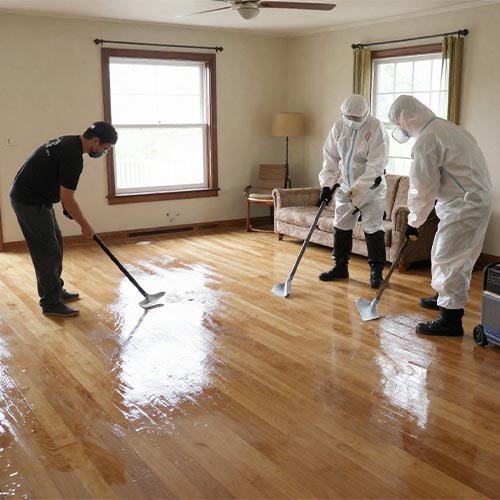
Complete Flood Damage Cleanup and Drying Guide
Flooding can happen without warning. A burst pipe, heavy storm, appliance failure, or sewage backup can turn a safe property into a hazardous environment within minutes. Fast, professional response is the difference between a manageable restoration project and long-term structural damage.
This comprehensive guide explains how flood damage cleanup and structural drying services work, what property owners should expect, and how to prevent secondary issues like mold growth and structural deterioration.
Transform Your Space with BUILPIRE – Book Your Consultation Today!
Understanding Flood Damage: Why Immediate Action Matters
Water damage spreads quickly. Within the first few hours:
- Drywall absorbs moisture.
- Flooring begins to swell.
- Electrical systems become unsafe.
- Bacteria and contaminants spread.
Within 24–48 hours, mold can begin to grow. Structural wood may warp. Insulation becomes saturated and ineffective.
Professional emergency flood damage restoration is not just about removing visible water. It is about protecting the building’s structure, indoor air quality, and long-term value.
Types of Flood Water and Risk Levels
Water damage is classified into three categories:
| Category | Source | Risk Level | Required Action |
| Clean Water | Broken supply lines, appliance leaks | Low | Immediate drying and sanitation |
| Gray Water | Washing machines, sump backups | Moderate | Professional extraction and disinfection |
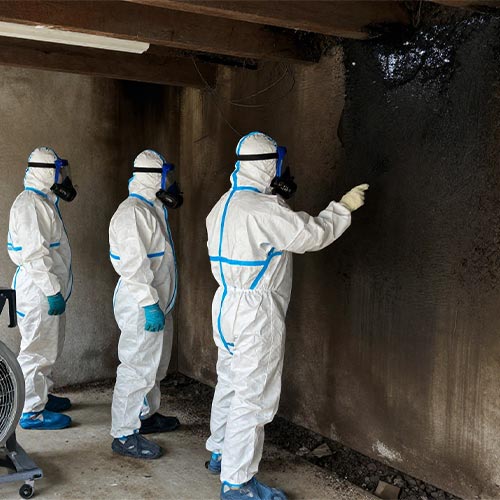
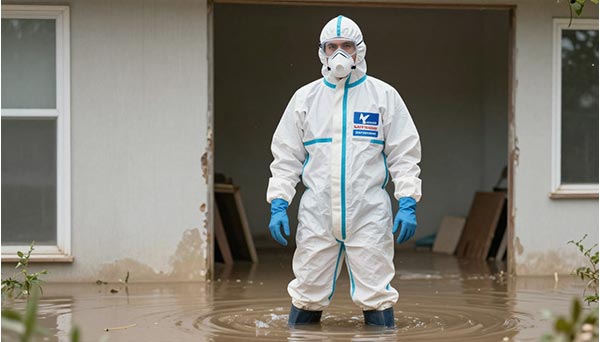
| Black Water | Sewage, storm surge, river flooding | High | Full containment, PPE, antimicrobial treatment |
Black water requires strict safety protocols and professional remediation.
Step-by-Step Flood Damage Cleanup Process
-
Emergency Response & Damage Assessment
A professional structural drying company begins with:
- Rapid site inspection
- Moisture mapping
- Infrared thermal imaging
- Safety evaluation
Technicians identify affected materials and determine whether they can be restored or must be removed.
Pro tip: The first 24 hours are critical. Delays increase drying time and cost significantly.
-
Water Extraction
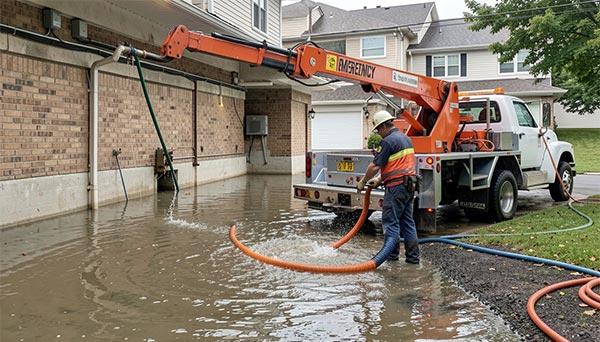
Standing water is removed using:
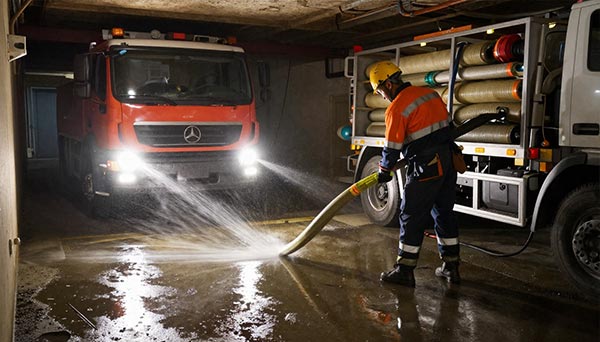
- Truck-mounted extraction units
- Submersible pumps
- Industrial wet vacuums
High-powered equipment removes hundreds of gallons per hour. This prevents further saturation of floors and subfloors.
Water extraction and drying services must begin immediately after assessment.
-
Removal of Damaged Materials
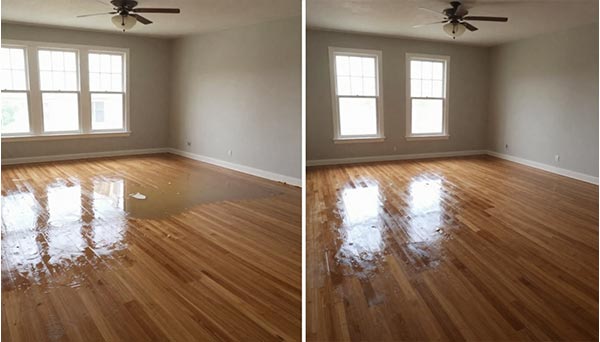
Some materials cannot be saved:
- Saturated insulation
- Severely warped hardwood
- Contaminated drywall
- Particle board cabinets
Technicians perform controlled demolition when necessary. The goal is to expose hidden moisture pockets inside walls and under flooring.
-
Structural Drying
Structural drying is more complex than surface drying.
Professionals use:
- High-velocity air movers
- Commercial dehumidifiers
- Desiccant drying systems
- Moisture meters and hygrometers
The objective is to return materials to their pre-loss moisture levels.
How Long Does Structural Drying Take?
- Minor water damage: 2–3 days
- Moderate flooding: 3–5 days
- Severe structural saturation: 5–7+ days
Drying time depends on building materials, temperature, and humidity.
-
Disinfection and Mold Prevention
Mold prevention after flood damage is essential.
Technicians apply:
- Antimicrobial treatments
- HEPA air filtration
- Odor neutralization solutions
Without proper antimicrobial treatment, mold can develop behind walls even if surfaces appear dry.
Important: Visible dryness does not mean internal moisture is gone.
-
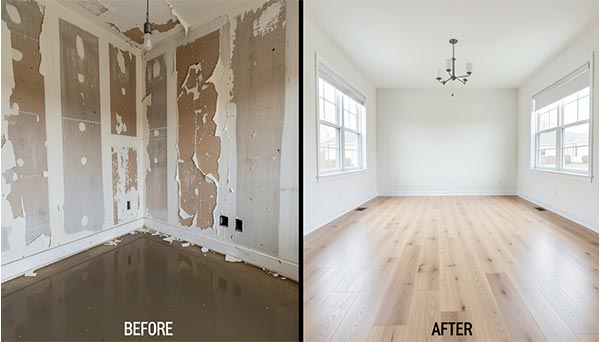
Repairs and Reconstruction
Residential flood damage repair may include:
- Drywall replacement
- Flooring installation
- Cabinet restoration
- Painting and finishing
A full-service provider ensures seamless transition from mitigation to reconstruction.
Why Hire a Professional Structural Drying Company?
DIY cleanup often leaves hidden moisture behind. This leads to:
- Structural weakening
- Mold growth
- Persistent odors
- Insurance claim complications
Professional flood damage cleanup and structural drying services provide:
- Certified technicians
- Industrial-grade equipment
- Insurance documentation support
- Compliance with IICRC standards
In commercial properties, improper drying can result in operational downtime and liability risks.
Commercial vs. Residential Flood Damage Restoration
Residential Properties
- Focus on safety and livability
- Protect personal belongings
- Prevent mold and structural decay
Commercial Properties
- Minimize downtime
- Protect inventory and assets
- Maintain regulatory compliance
- Preserve business continuity
Commercial restoration often requires larger drying systems and coordinated scheduling.
Common Mistakes Property Owners Make
- Waiting too long before calling professionals
- Using household fans instead of commercial equipment
- Ignoring moisture inside walls
- Not documenting damage for insurance
- Failing to sanitize contaminated water exposure
These mistakes increase repair costs significantly.
Signs Hidden Moisture Is Still Present
- Warped flooring
- Musty odor
- Bubbling paint
- Soft drywall
- Rising humidity levels indoors
Moisture meters are required to confirm proper drying.
Cost Factors in Flood Damage Cleanup
Costs vary depending on:
- Extent of water intrusion
- Type of water contamination
- Square footage affected
- Structural material type
- Required demolition
- Drying duration
Emergency flood damage restoration is typically covered by insurance when caused by sudden events such as pipe bursts.
Preventing Future Flood Damage
Practical steps include:
- Installing sump pumps with backup batteries
- Regular plumbing inspections
- Cleaning gutters and drainage systems
- Sealing foundation cracks
- Installing water leak detection systems
Proactive maintenance reduces risk and future restoration costs.
Conclusion
Flood damage is time-sensitive and technically complex. Proper flood damage cleanup and structural drying services protect structural integrity, indoor air quality, and property value.
If your home or commercial building has experienced flooding, act immediately. Work with a certified professional structural drying company that provides emergency flood damage restoration, complete water extraction and drying services, and full residential flood damage repair support.
Fast response today prevents costly structural issues tomorrow.
For more ideas and guidance, follow us on Instagram.
Frequently Asked Questions (FAQ)
How fast should I start flood damage cleanup?
Immediately. The first 24 hours are critical to prevent mold growth and structural damage.
Can I stay in my home during structural drying?
In minor cases, yes. In severe flooding or contamination, temporary relocation may be necessary for safety.
How do professionals detect hidden moisture?
Using thermal imaging cameras, moisture meters, and humidity monitoring systems.
How long does mold take to grow after flooding?
Mold can begin developing within 24–48 hours in humid environments.
Does insurance cover flood damage restoration?
It depends on your policy. Sudden internal water damage is often covered. Natural flood events may require separate flood insurance.
What is the difference between water extraction and structural drying?
Water extraction removes standing water. Structural drying removes moisture absorbed into building materials.
Is black water dangerous?
Yes. Black water contains harmful bacteria and requires professional remediation and protective equipment.