



Fireproofing Tips for a Safer Home Renovation
Planning a home renovation is always exciting, but in today’s world where safety and durability are at the top of every homeowner’s list, integrating fire-resistant strategies has become more essential than ever. Many people begin their projects with aesthetics or layout changes in mind, but neglecting fire protection can lead to costly mistakes, structural vulnerability, or even long-term danger. This is why homeowners and professionals alike are searching for reliable fireproofing home renovation tips that not only safeguard the property but also complement modern design standards.
Renovation projects often involve electrical upgrades, structural modifications, new materials, and installation of heating systems. Each of these areas introduces potential fire risks if not handled with proper foresight. That is precisely where thoughtful and structured fireproofing home renovation tips can elevate your renovation from simply “beautiful” to genuinely safe, resilient, and future-proof. Whether you are upgrading walls, redesigning your kitchen, redoing flooring, or enhancing insulation, applying the right fire-resistant techniques ensures long-term peace of mind.
Transform Your Space with BUILPIRE – Book Your Consultation Today!
One of the challenges many homeowners face is differentiating between marketing claims and genuine fire-safe materials. With so many new products on the market, having access to credible fireproofing home renovation tips helps you choose materials that are truly tested, certified, and durable. From fire-rated drywall to non-combustible composite panels, selecting the right materials forms the foundation of a safer, smarter renovation. Additionally, incorporating fire-resistant insulation, seals, and coatings significantly enhances the protection level of your upgraded living space.
Beyond materials, strategic planning is equally important. Proper zoning of electrical circuits, sufficient spacing around heat-producing appliances, and upgrading outdated wiring are core parts of solid fireproofing home renovation tips. Even the placement of fire alarms, sprinklers, and smoke detectors contributes to a holistic renovation strategy. Many homeowners underestimate the role of ventilation, but airflow management helps prevent overheating, moisture buildup, and potential combustion sources.
Another reason these fireproofing home renovation tips are crucial is rising insurance standards. Insurance companies increasingly assess fire-safety measures when determining premiums. Renovating with fire protection in mind not only increases property value but can reduce long-term costs significantly. A home that is designed with fire resistance at its core becomes safer, smarter, and more durable against unforeseen emergencies.
In short, renovating your home should be more than just visual transformation. It should be an opportunity to reinforce safety, sustainability, and long-term reliability. In the following sections, this comprehensive guide will explore the best techniques, materials, and planning strategies to help you create a home that is both stunning and prepared for any unexpected fire-related threats.

1. Use Certified Fire-Rated Building Materials
One of the most important fireproofing home renovation tips is choosing building materials that are tested and certified for fire resistance. Fire-rated drywall, cement boards, non-combustible coatings, and mineral-based composite panels are all excellent options. These materials slow down the spread of flames, reduce smoke damage, and give occupants more time to evacuate in case of an emergency.
Fire-rated drywall (Type X) is ideal for kitchens, basements, and utility rooms. Cement boards offer outstanding heat resistance and are great for areas near stoves, fireplaces, or heavy-duty electrical installations. These materials also maintain structural integrity longer than traditional gypsum boards during a fire.
2. Upgrade Electrical Wiring
Electrical malfunctions are among the leading causes of house fires. One of the essential fireproofing home renovation tips is to have a licensed electrician inspect old wiring. Outdated systems such as aluminum wiring or overloaded circuits increase fire risk significantly.
Renovation is the perfect time to install modern circuit breakers, AFCI/GFCI outlets, and dedicated circuits for large appliances. Ensuring proper cable insulation, concealed conduits, and heat-resistant wiring also boosts long-term safety.
3. Fire-Resistant Insulation Matters
Insulation is not just about temperature control. Modern fire-resistant insulation materials like mineral wool, fiberglass, and rock wool significantly slow down flame spread. This is one of the fireproofing home renovation tips that offers double benefits: improved energy efficiency and higher fire resistance.
Avoid cheap foam insulation products that may ignite quickly. Look for materials with high fire ratings and certifications from recognized bodies.
4. Install Fire-Safe Doors and Windows
Fire-rated doors are designed to resist fire for 20, 45, 60, or even 90 minutes. These doors are a crucial barrier that can prevent fire from rapidly spreading through the house. For windows, tempered glass or multi-layered fire-resistant glazing is recommended.
This is one of those fireproofing home renovation tips that dramatically improves family safety during emergencies.
5. Use Fire-Retardant Paints and Coatings
Fire-retardant paints expand under high heat, forming a protective layer that prevents surfaces from reaching ignition temperature. They’re ideal for wooden beams, ceilings, attics, and exposed structures. These coatings are a cost-effective way to enhance fire safety without changing the aesthetic of your home.
6. Proper Ventilation and Airflow Planning
Poor ventilation can cause overheating, moisture buildup, and combustion risks. Installing proper vent systems around appliances, attics, HVAC units, and enclosed rooms is one of the often-overlooked fireproofing home renovation tips.
Good airflow helps maintain appliance efficiency while preventing heat accumulation.
7. Upgrade Heating Systems
Old boilers, furnaces, chimneys, and water heaters can become dangerous over time. Renovation is the ideal moment to upgrade to modern, energy-efficient, fire-safe models. Combine this with smoke-tight sealing and non-combustible flooring in heating rooms.
8. Safe Kitchen Remodeling Practices
Kitchens are the most fire-prone places in any home. Countertop materials, backsplashes, cabinets near heat sources, and appliance placements matter greatly.
Some core fireproofing home renovation tips for kitchens include:
• Using stone or ceramic countertops instead of wood
• Installing metal or fire-resistant backsplashes
• Keeping adequate spacing around ovens and cooktops
• Using heat-resistant flooring such as ceramic tile or stone
9. Install Smart Fire Detection Systems
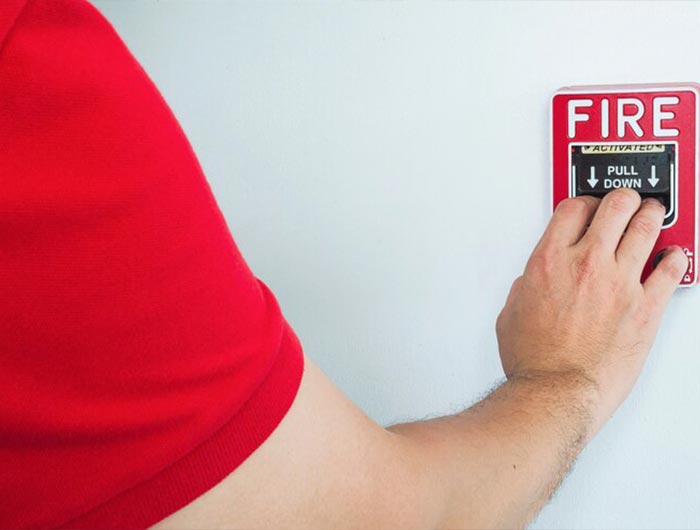
A fire-safe renovation must include smoke alarms, heat detectors, and optionally sprinkler systems. Smart alarms that send mobile notifications offer enhanced safety.
10. Seal Gaps, Cracks, and Electrical Penetrations
Fire spreads rapidly through small openings in walls, ceilings, and mechanical shafts. Fire-resistant sealants, caulks, and foam fillers help control flame movement.
11. Safe Storage Solutions
One of the more practical fireproofing home renovation tips is designing dedicated storage for flammable items such as cleaning products, paints, solvents, and fuels. Keeping them in ventilated, fire-rated cabinets reduces fire risk dramatically.
12. Fireproof Flooring Options
Stone, tile, polished concrete, and engineered mineral flooring are excellent fire-resistant choices. Avoid cheap vinyl or laminate products that melt quickly.
13. Outdoor Fireproofing Considerations
Fire safety should extend to the exterior. Choose fire-resistant roofing, cement siding, metal fencing, and gravel landscaping instead of highly flammable materials like wood mulch or cedar shingles.
14. Emergency Planning as Part of Renovation
A truly safe renovation includes evacuation planning. Mark pathways, install multiple exit points, and ensure doors open easily from the inside.
15. Work With Certified Professionals
The final and most important of all fireproofing home renovation tips is working with experienced professionals who understand fire codes. Using certified contractors ensures compliance with local regulations and reduces long-term risk.
About Builpire
At the end of your renovation planning, partnering with specialists makes all the difference. Builpire, a trusted company in home renovation and interior design, provides modern, safety-driven renovation solutions tailored to your needs. Their expert team ensures your project reflects quality, aesthetics, and advanced fire-safe construction standards.
For more ideas and guidance, follow us on Instagram.
FAQs
1. What materials are best for fireproofing during a home renovation?
Fire-rated drywall, cement board, mineral wool insulation, fire-resistant windows, and intumescent paints are among the best. These materials slow down flames, reduce heat transfer, and improve overall home safety.
2. How can I make my kitchen more fire-resistant during renovation?
Use stone or ceramic surfaces, install metal backsplashes, upgrade electrical circuits, add heat-resistant flooring, and ensure proper ventilation around appliances.
3. Do fire-retardant paints really work?
Yes, they expand into a protective foam layer when exposed to high heat. This delays ignition and protects underlying materials, giving occupants more time during emergencies.
4. Is it expensive to incorporate fireproofing home renovation tips?
Many fireproofing upgrades are affordable. Options like fire-rated drywall, smoke detectors, and fire-resistant sealants are low-cost yet extremely effective. Some premium materials cost more but significantly increase long-term safety.
5. Can fireproofing increase my home’s property value?
Absolutely. Homes built with fire-safe materials, updated wiring, and modern detection systems are more attractive to buyers, qualify for better insurance premiums, and hold long-term value.