



Fire Damage Restoration: A Complete Guide to Recovery After a Fire
Experiencing a fire in your home or business is overwhelming. Beyond the visible damage, smoke, soot, and water used to extinguish the fire can continue to destroy your property for days or even weeks.
Professional Fire Damage Restoration is not just about cleaning up debris. It is a structured, time-sensitive process designed to stabilize the property, prevent further damage, and fully restore the space to a safe and livable condition.
This comprehensive guide explains every step of the recovery process, from emergency response to full reconstruction, so you know exactly what to expect.

Transform Your Space with BUILPIRE – Book Your Consultation Today!
Why Immediate Fire Damage Restoration Matters
After a fire, damage continues even when the flames are out.
-
Soot becomes acidic and stains surfaces permanently.
-
Smoke odor penetrates drywall, insulation, and HVAC systems.
-
Water from firefighting efforts leads to mold growth within 24–48 hours.
-
Structural components may be weakened.
Delaying professional restoration increases repair costs and safety risks. Quick action reduces long-term structural damage and speeds up insurance approvals.
Step-by-Step Fire Damage Restoration Process
1. Emergency Response & Property Assessment
Emergency Fire Restoration Services
A reputable restoration company offers emergency fire restoration services 24/7. The first 24 hours are critical.
The team will:
-
Inspect structural integrity
-
Identify safety hazards
-
Evaluate smoke and soot spread
-
Document damage for insurance claims
Pro Tip: Always avoid re-entering a fire-damaged property until professionals confirm it is safe.

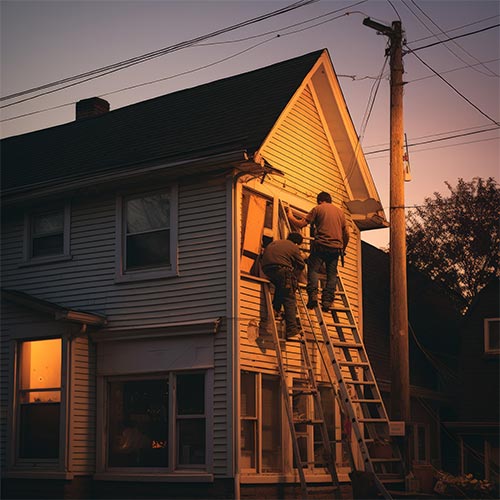
2. Securing the Property (Board-Up & Tarping)
Fire often leaves roofs exposed and windows broken. Immediate stabilization prevents:
-
Weather damage
-
Theft or vandalism
-
Additional structural deterioration
Temporary roof tarps and board-up services protect your property while restoration planning begins.
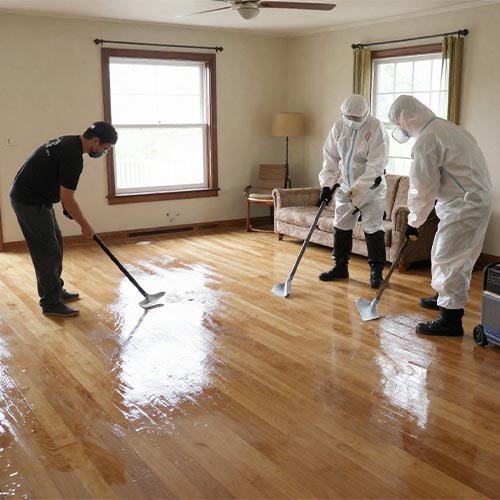
3. Water Removal & Drying (Fire and Water Damage Restoration)
Many property owners are surprised to learn that water damage can sometimes be worse than fire damage.
Fire departments use large volumes of water to extinguish flames. Without rapid extraction, this leads to:
-
Mold growth
-
Wood rot
-
Warped flooring
-
Electrical hazards
Professional fire and water damage restoration includes:
-
Industrial water extraction
-
Dehumidification
-
Air movers and moisture monitoring
-
Mold prevention treatments
Drying typically takes 3–7 days depending on severity.

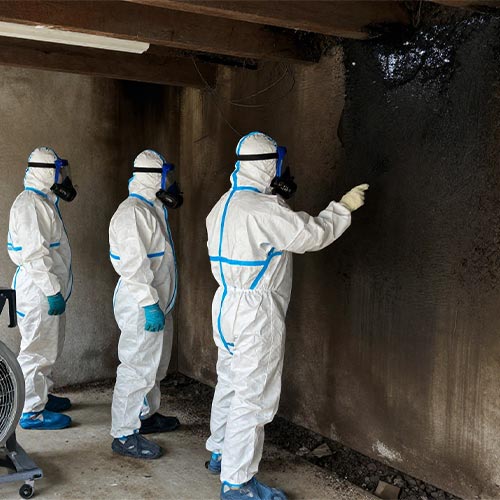
4. Fire Damage Cleanup Services
Once the structure is stabilized and dried, debris removal begins.
What Fire Damage Cleanup Includes:
-
Removal of charred materials
-
Disposal of unsafe drywall and insulation
-
Cleaning soot-covered surfaces
-
Sanitization
Technicians use specialized HEPA vacuums and chemical sponges to prevent soot from spreading during cleaning.
Important: Never wipe soot with water or household cleaners. This can smear stains deeper into surfaces.
5. Smoke Damage Restoration
Smoke damage is often invisible but extremely destructive.
Types of Smoke Damage
-
Wet smoke (from smoldering fires)
-
Dry smoke (from fast-burning fires)
-
Protein residue (from kitchen fires)
-
Fuel/oil residue
Each type requires a different cleaning approach.
Professional smoke damage restoration involves:
-
Thermal fogging
-
Ozone treatment
-
Hydroxyl generators
-
Deep cleaning of HVAC systems
-
Odor neutralization (not masking)
Smoke odor can linger for months if not professionally treated.

6. Cleaning & Salvaging Personal Belongings
Restoration teams evaluate which items can be saved.
Commonly Restored Items:
-
Furniture
-
Electronics
-
Documents
-
Clothing
-
Artwork
Specialized cleaning methods include:
-
Ultrasonic cleaning
-
Dry cleaning for textiles
-
Electronic decontamination
-
Document freeze-drying
Saving personal belongings reduces emotional and financial loss.

7. Structural Repairs & Residential Fire Damage Repair
After cleanup, reconstruction begins.
Residential Fire Damage Repair May Include:
-
Drywall replacement
-
Flooring installation
-
Roofing repair
-
Electrical system restoration
-
Plumbing repairs
-
Cabinet and fixture replacement
In severe cases, partial rebuilding may be required.
A full-service company handles everything from demolition to final paint.
Timeline of Fire Damage Restoration
| Phase | Estimated Time |
|---|---|
| Emergency response | Within hours |
| Water removal & drying | 3–7 days |
| Cleanup & smoke removal | 3–10 days |
| Repairs & reconstruction | 2–8+ weeks |
Every project is different. The timeline depends on fire size, structural damage, and insurance approvals.

Working With Insurance After a Fire
A professional restoration company assists with:
-
Detailed documentation
-
Photo evidence
-
Itemized repair estimates
-
Direct communication with adjusters
This speeds up claims and reduces stress for property owners.
Tip: Never discard damaged items before insurance documentation is complete.
Safety Risks After a Fire
Do not ignore hidden dangers:
-
Compromised structural beams
-
Toxic soot particles
-
Electrical wiring damage
-
Mold growth
-
Contaminated air ducts
Certified restoration technicians use protective equipment and follow OSHA and IICRC standards to ensure safety.
DIY vs. Professional Fire Damage Restoration
Small surface smoke damage might be cleaned by homeowners. However, most fire incidents require professionals.
Why DIY Is Risky:
-
Incomplete odor removal
-
Mold growth from hidden moisture
-
Insurance claim rejection
-
Health risks from soot exposure
Professional equipment and certified technicians make a significant difference in results.

Preventing Long-Term Fire Damage
After restoration, prevention becomes critical.
Practical Prevention Tips:
-
Install interconnected smoke detectors
-
Maintain fire extinguishers
-
Inspect electrical wiring regularly
-
Avoid overloaded outlets
-
Clean dryer vents annually
-
Create a family evacuation plan
Prevention reduces both property loss and life risk.
Choosing the Right Fire Damage Restoration Company
Look for:
-
IICRC certification
-
24/7 emergency response
-
Direct insurance billing
-
Transparent estimates
-
Full reconstruction capability
-
Positive verified reviews
Experience and fast response matter more than low pricing.
Conclusion
Fire recovery is complex, but with the right professional support, your property can be restored safely and efficiently. From emergency response to full reconstruction, every step in Fire Damage Restoration plays a critical role in protecting your investment and health.
If you are facing fire damage, act quickly. Early intervention reduces costs, shortens timelines, and prevents long-term structural issues.
For more ideas and guidance, follow us on Instagram.
Frequently Asked Questions (FAQ)
How long does fire damage restoration take?
Most residential projects take between 2 to 8 weeks depending on severity. Minor smoke damage may take a few days, while major structural rebuilding can take months.
Can smoke damage be fully removed?
Yes, with professional smoke damage restoration techniques such as ozone treatment and thermal fogging. Odor masking products alone are not effective.
Is it safe to stay in my home after a fire?
Usually no. Even minor fires can leave harmful airborne particles and hidden structural damage. Always wait for professional clearance.
Does homeowners insurance cover fire damage?
In most cases, yes. Standard homeowners insurance policies cover fire damage restoration, smoke damage, and water damage caused by firefighting efforts.
When should I call fire damage cleanup services?
Immediately after the fire department leaves. The first 24–48 hours are critical to prevent secondary damage.
What is included in emergency fire restoration services?
Emergency services include damage assessment, property securing, water extraction, debris removal, and immediate stabilization measures.
What is the difference between fire and water damage restoration?
Fire damage restoration focuses on soot, smoke, and structural repairs. Fire and water damage restoration addresses additional moisture removal and mold prevention caused by firefighting efforts.