




Fast, Local, and Professional Response When Every Minute Matters
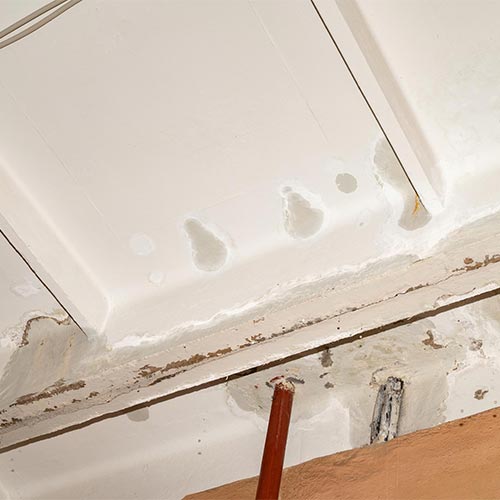
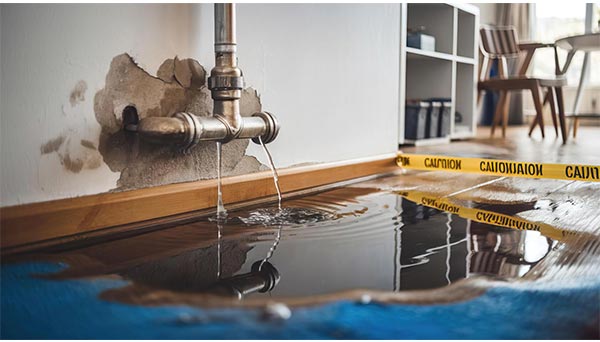
Water damage never waits for a convenient time. A burst pipe at midnight. A flooded basement after a storm. An overflowing washing machine before work. In these moments, searching for emergency water damage restoration services near me is not just about convenience — it’s about preventing structural damage, mold growth, and costly repairs.
This comprehensive guide explains what to expect from a 24/7 emergency response team, how the restoration process works, and how to choose the right local water damage repair company in the United States.
Transform Your Space with BUILPIRE – Book Your Consultation Today!
Why Immediate Water Damage Restoration Is Critical
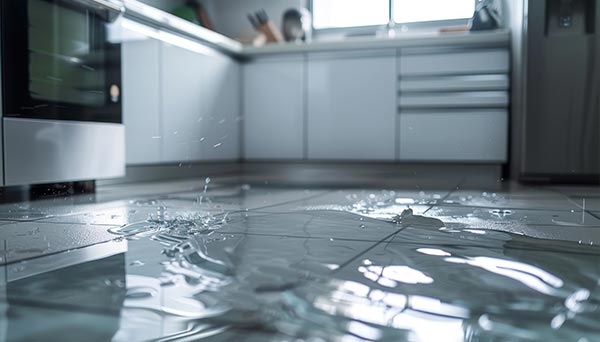
Water spreads quickly. Within minutes, it soaks drywall, insulation, flooring, and furniture. Within hours, materials begin to swell, warp, and deteriorate. Within 24–48 hours, mold growth can begin.
Delaying action increases:
-
Structural damage
-
Mold contamination risk
-
Electrical hazards
-
Insurance complications
-
Total restoration cost
That’s why 24/7 emergency water damage restoration exists — to stop damage before it escalates.
Common Causes of Emergency Water Damage in U.S. Homes
Understanding the source helps determine the right response strategy.
1. Burst or Frozen Pipes
Common during winter in colder states. When pipes freeze and thaw, pressure builds and lines rupture.
2. Storm & Flood Damage
Heavy rainfall, hurricanes, and flash floods often overwhelm drainage systems.
3. Appliance Failures
Dishwashers, water heaters, and washing machines are frequent culprits.
4. Sewage Backups
A serious health hazard requiring specialized sanitization.
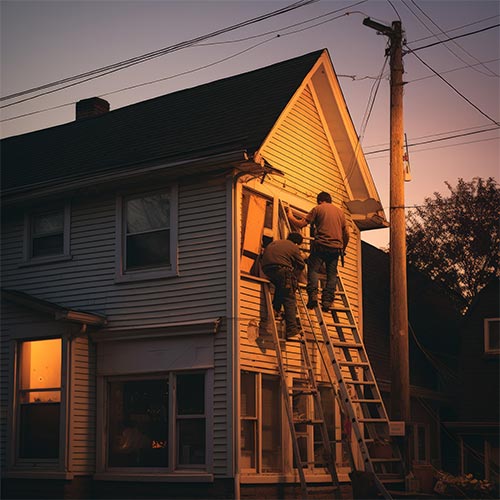
5. Roof Leaks
Often discovered after attic saturation or ceiling staining.
Each scenario requires a tailored approach from flood damage restoration experts near me.
What Happens During 24/7 Emergency Water Damage Restoration?
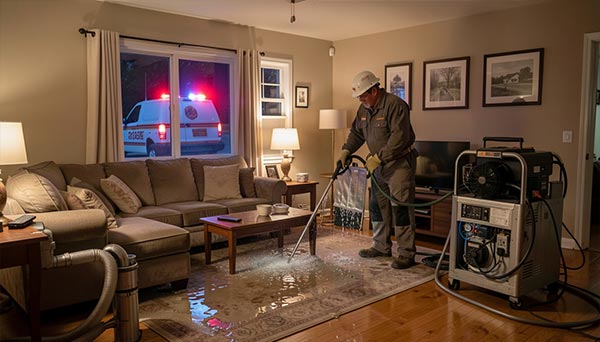
When you call a professional team offering same-day water damage cleanup near me, the process typically follows industry-standard steps:
Step 1: Emergency Response & Inspection
A certified technician arrives quickly — often within 60–90 minutes. They:
-
Identify the source of water
-
Assess the contamination category
-
Use moisture meters and thermal imaging
-
Document damage for insurance
Speed at this stage directly reduces long-term repair costs.
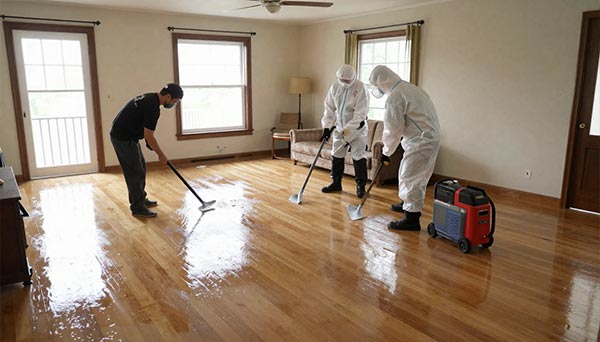
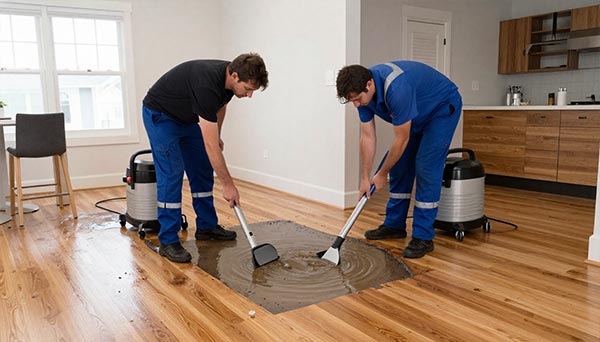
Step 2: Water Extraction
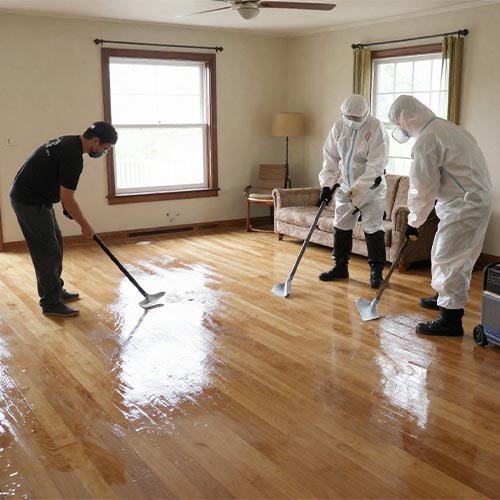
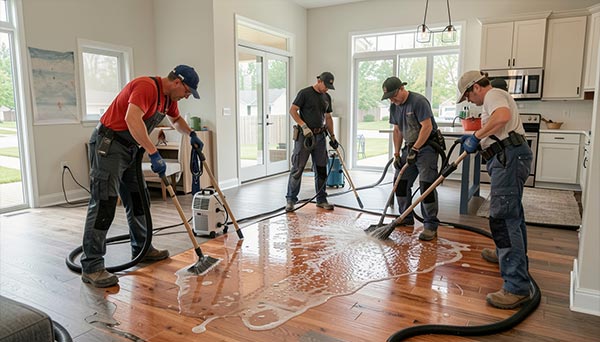
High-powered industrial pumps and vacuums remove standing water.
This step prevents:
-
Floor warping
-
Subfloor damage
-
Mold growth beneath surfaces
The faster the extraction, the better the outcome.
Step 3: Structural Drying & Dehumidification
After visible water is removed, moisture still hides in walls and flooring.
Professional teams use:
-
Commercial air movers
-
Low-grain refrigerant dehumidifiers
-
Moisture monitoring systems
Drying may take 2–5 days depending on severity.
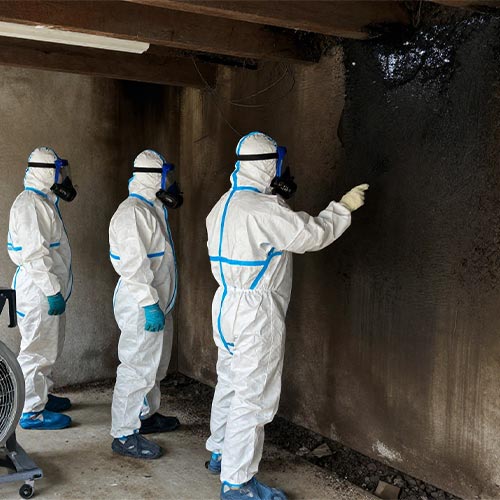
Step 4: Cleaning & Sanitization
Especially critical in flood or sewage situations.
Includes:
-
Antimicrobial treatments
-
Odor removal
-
HEPA air filtration
-
Surface disinfection
This protects indoor air quality and occupant health.
Step 5: Restoration & Repairs
The final stage restores your property to pre-loss condition.
This may include:
-
Drywall replacement
-
Flooring repair
-
Cabinet rebuilding
-
Painting and finishing
Full-service providers offering residential water damage restoration services manage the entire process — eliminating the need to hire multiple contractors.
How to Choose the Right Local Water Damage Repair Company
When searching for a local water damage repair company, look beyond ads. Focus on qualifications.
1. 24/7 Availability
True emergency providers answer live calls anytime.
2. Certified Technicians
Look for IICRC certification (industry standard in the U.S.).
3. Insurance Assistance
Experienced companies help document and coordinate claims.
4. Advanced Equipment
Ask about commercial-grade drying and detection tools.
5. Transparent Estimates
Clear scope of work. No hidden fees.
6. Local Reputation
Check Google reviews and local references.
A reliable provider doesn’t pressure — they explain.
Residential vs. Commercial Water Damage Restoration
Residential Services
Focused on:
-
Homes
-
Apartments
-
Townhouses
-
Basements
Often urgent but limited in scale.
Commercial Services
Includes:
-
Offices
-
Warehouses
-
Retail spaces
-
Healthcare facilities
Requires larger crews and business continuity planning.
A qualified provider can handle both environments efficiently.
Categories of Water Damage (Why It Matters)
Professionals classify water into three categories:
Category 1 – Clean Water
From broken supply lines or rainwater.
Category 2 – Gray Water
From appliances or sump pump failures. May contain contaminants.
Category 3 – Black Water
Sewage or floodwater. Hazardous and requires protective handling.
Correct classification determines safety protocols and drying strategy.
Real-World Example: Why Fast Action Saves Thousands
A homeowner in Texas experienced a pipe burst overnight. They contacted a same-day water damage cleanup near me provider within one hour.
Result:
-
Water extracted immediately
-
Drying completed in 3 days
-
Minimal drywall replacement
-
Total insurance claim under $8,000
In a similar delayed case (48-hour wait), mold remediation and structural replacement pushed costs above $30,000.
Time truly equals money in water damage events.
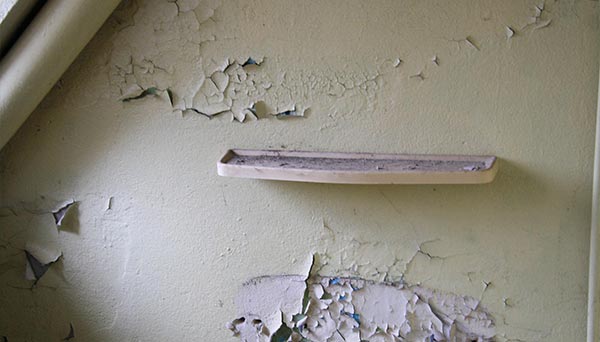
Signs You Need Emergency Restoration Immediately
Call professionals if you notice:
-
Standing water
-
Warped hardwood floors
-
Bubbling paint
-
Ceiling stains expanding
-
Musty odor
-
Electrical panel exposure to water
Even if damage looks minor, hidden moisture may be spreading.
Can You Handle Water Damage Yourself?
Small spills? Yes.
Major flooding? No.
DIY limitations include:
-
Inability to detect hidden moisture
-
Lack of commercial drying equipment
-
Mold risk within 24–48 hours
-
Insurance documentation issues
Professional flood damage restoration experts near me reduce long-term risk and liability.
Insurance and Water Damage Claims
Most homeowner policies cover sudden and accidental water damage (like burst pipes), but not gradual neglect or flood damage without separate flood insurance.
Restoration companies often:
-
Document moisture levels
-
Provide detailed damage reports
-
Communicate directly with adjusters
-
Assist with claim submission
Always notify your insurer as soon as damage occurs.
How Long Does Emergency Water Damage Restoration Take?
| Severity Level | Typical Timeline |
|---|---|
| Minor (Localized leak) | 1–3 days |
| Moderate (Multiple rooms) | 3–5 days |
| Severe (Flooding) | 5–10+ days |
Full reconstruction may extend timelines.
Preventing Future Water Damage
While emergencies can’t always be avoided, risk can be reduced:
-
Insulate pipes before winter
-
Replace aging water heaters (10–12 years)
-
Install water leak detectors
-
Maintain sump pumps
-
Inspect roofs annually
Prevention costs far less than restoration.
Final Thoughts
Water damage escalates quickly. Acting fast is the single most important decision you can make.
When searching for emergency water damage restoration services near me, prioritize speed, certification, transparency, and full-service capability. A qualified 24/7 emergency team not only removes water — they protect your property, health, and long-term investment.
If your home or business has experienced unexpected water damage, contact a trusted local restoration professional immediately. Fast response today prevents major reconstruction tomorrow.
For more ideas and guidance, follow us on Instagram.
Frequently Asked Questions (FAQ)
How quickly should I call for emergency water damage restoration services near me?
Immediately. Within the first hour if possible. Rapid response minimizes structural damage and mold growth.
Does homeowners insurance cover water damage?
Most policies cover sudden, accidental damage. Flood damage requires separate flood insurance.
How long does it take to dry a flooded house?
Typically 3–5 days for drying. Severe cases may take longer.
Is mold guaranteed after water damage?
Not guaranteed, but mold can begin growing within 24–48 hours if moisture remains.
Can I stay in my home during restoration?
In minor cases, yes. In severe flooding or contamination, temporary relocation may be safer.
What is the difference between water mitigation and restoration?
Mitigation stops damage (extraction and drying). Restoration rebuilds and repairs damaged materials.
Do restoration companies work directly with insurance?
Most reputable companies assist with documentation and adjuster coordination.