





Emergency Home Restoration
Emergency home restoration is the immediate and strategic process of repairing and recovering a home after unexpected damage. Whether the cause is water, fire, storm, or structural failure, fast action can make the difference between minor repairs and long-term loss. In this guide, we’ll walk you through exactly how emergency home restoration works, why it matters, and how to protect your property and peace of mind.

Transform Your Space with BUILPIRE – Book Your Consultation Today!
Understanding Emergency Home Restoration
Emergency home restoration focuses on rapid response. The goal isn’t just to fix visible damage—it’s to stop further deterioration and restore safety as quickly as possible.
What Qualifies as a Home Emergency
A home emergency includes any event that threatens the structure, safety, or livability of your property, such as:
-
Burst pipes or sewage backups
-
Fire and smoke damage
-
Flooding from storms
-
Roof collapse or severe wind damage
These situations require emergency home restoration services to prevent secondary issues like mold or electrical hazards.
Why Immediate Action Matters
Time is critical. Water can soak into walls within minutes. Mold can begin forming in as little as 24–48 hours. Acting fast reduces repair costs and health risks, making emergency home restoration a necessity, not a luxury.
Common Causes of Home Damage
Understanding the root cause helps tailor the right emergency home restoration strategy.
Water Damage and Flooding
Water damage is the most common trigger for emergency home restoration. Sources include plumbing failures, appliance leaks, and natural flooding. According to the EPA, standing water significantly increases mold risk.
Fire and Smoke Damage
Fire doesn’t just burn—it releases smoke and soot that spread through walls, vents, and furniture. Emergency home restoration after a fire includes deodorization, air filtration, and structural repair.
Storm, Wind, and Natural Disasters
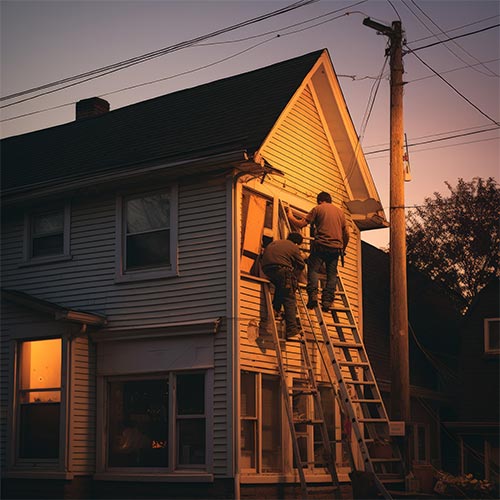
High winds, hail, and earthquakes can compromise roofs, windows, and foundations. Emergency home restoration teams stabilize structures first, then move into full repair mode.
The Emergency Home Restoration Process
Professional emergency home restoration follows a proven, step-by-step workflow.
Initial Assessment and Safety Measures
Technicians inspect the property, identify hazards, and shut off utilities if needed. Safety always comes first.
Damage Mitigation and Containment
The goal here is to stop the damage from spreading.
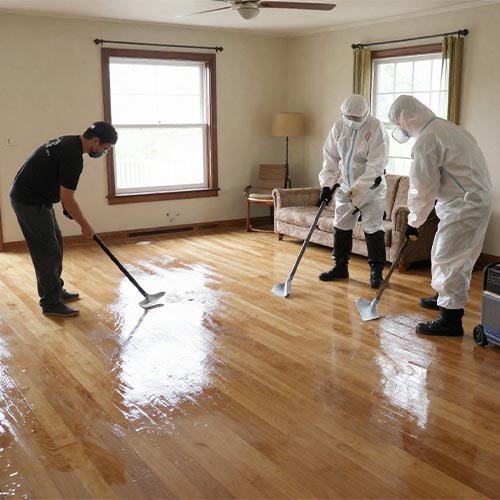
Water Extraction and Drying
-
Industrial pumps remove standing water
-
Dehumidifiers dry walls and floors
-
Moisture meters ensure complete drying
Smoke and Soot Removal
-
HEPA air scrubbers clean indoor air
-
Specialized cleaners remove residue
-
Odor neutralization restores comfort
Professional vs DIY Home Restoration
Some homeowners try to handle emergencies themselves, but emergency home restoration is rarely a DIY job.
Risks of DIY Restoration
-
Hidden moisture left behind
-
Improper electrical handling
-
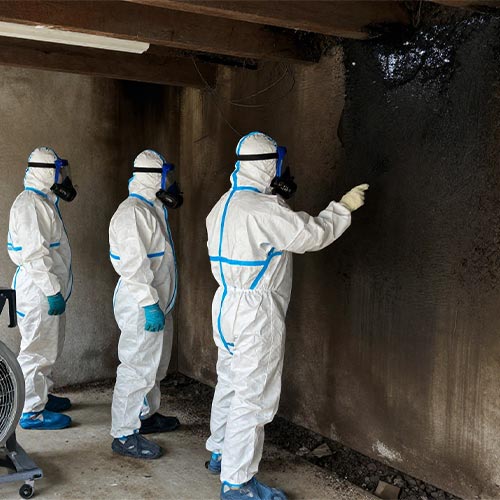
Incomplete mold removal
These mistakes can increase long-term damage.
Benefits of Hiring Certified Experts
Certified emergency home restoration professionals bring:
-
Industry-grade equipment
-
Proven protocols
-
Insurance documentation support
In short, they do it right the first time.
Tools and Technologies Used in Restoration
Modern emergency home restoration relies on advanced technology.
Advanced Drying Equipment
-
Thermal imaging cameras
-
High-speed air movers
-
Desiccant dehumidifiers
Air Quality and Mold Prevention Tools
-
HEPA filtration systems
-
Antimicrobial treatments
-
Continuous air monitoring
These tools ensure the home is safe, not just dry.
Insurance and Emergency Home Restoration
Insurance plays a big role in emergency home restoration success.
How to File a Claim Correctly
-
Document damage immediately
-
Take photos and videos
-
Contact your insurer within 24 hours
Working With Adjusters
Restoration companies often work directly with adjusters, helping speed up approvals and reduce disputes.
Choosing the Right Emergency Home Restoration Company
Not all providers are equal.
Certifications to Look For
-
IICRC Certification
-
Licensed and insured
-
24/7 emergency response
Red Flags to Avoid
-
No written estimates
-
Pressure for upfront payment
-
Lack of local references
A reliable emergency home restoration company values transparency.

Cost Factors in Emergency Home Restoration
Costs vary, but key factors include:
Damage Severity
Minor water damage costs far less than full structural repair.
Time Sensitivity
After-hours or same-day emergency home restoration may increase costs—but waiting often costs more.
Preventing Future Home Emergencies
Prevention reduces the need for emergency home restoration.
Routine Maintenance Tips
-
Inspect plumbing annually
-
Clean gutters regularly
-
Check roof integrity
Emergency Preparedness Planning
-
Know utility shut-off locations
-
Keep emergency contacts ready
-
Maintain proper insurance coverage
Preparation saves money and stress.
Conclusion
Emergency home restoration is about speed, expertise, and protection. When disaster strikes, knowing what to expect—and who to call—can save your home and your health. By acting quickly, working with certified professionals, and planning ahead, you turn a crisis into a controlled recovery.
For more ideas and guidance, follow us on Instagram.
Frequently Asked Questions (FAQs)
1. How fast should emergency home restoration start?
Ideally within the first 24 hours to minimize secondary damage.
2. Does insurance cover emergency home restoration?
Most policies cover sudden and accidental damage, but coverage varies.
3. How long does emergency home restoration take?
It can range from a few days to several weeks depending on severity.
4. Can I stay in my home during restoration?
Sometimes yes, but severe cases may require temporary relocation.
5. Is mold always involved in water damage?
Not always, but emergency home restoration aims to prevent it.
6. How do I know restoration is complete?
Professionals use moisture readings and air quality tests to confirm safety.