


Best Pipe Materials for Home Repiping: Ultimate Guide to 7 Proven Options
Choosing the best pipe materials for home repiping isn’t just a plumbing decision—it’s a long-term investment in your home’s safety, water quality, and resale value. If your house has aging pipes, frequent leaks, rusty water, or low pressure, repiping may be unavoidable. The good news? Modern pipe materials are more durable, affordable, and efficient than ever before.
In this guide, we’ll break things down in plain English. No jargon overload. You’ll learn which materials last the longest, which ones save money upfront, and which options work best for different climates and water conditions. Let’s dive in.
Transform Your Space with BUILPIRE – Book Your Consultation Today!
Understanding Home Repiping and Why Pipe Material Matters
What Is Home Repiping?
Home repiping is the process of replacing all or most of a home’s existing plumbing pipes. Typically, it’s done when pipes are:
-
Over 40–50 years old
-
Made from outdated materials
-
Constantly leaking or corroding
Unlike quick fixes, repiping solves the root problem. It’s a big job, sure—but it prevents endless repairs down the road.
Signs Your Home Needs Repiping
You might need repiping if you notice:
-
Brown, yellow, or rusty water
-
Frequent pipe leaks
-
Low or inconsistent water pressure
-
Strange-tasting or metallic-smelling water
-
Visible corrosion on exposed pipes
If several of these sound familiar, it’s time to seriously consider the best pipe materials for home repiping rather than patchwork repairs.
How Pipe Material Impacts Safety and Longevity
Pipe material affects:
-
Water quality (chemical leaching, corrosion)
-
Durability (20 years vs. 70+ years)
-
Maintenance costs
-
Installation time and complexity
According to guidance from the U.S. Environmental Protection Agency, corrosion-resistant materials play a key role in maintaining safe drinking water systems (EPA Drinking Water Guidance).
The 7 Best Pipe Materials for Home Repiping Compared
This section covers the best pipe materials for home repiping in real-world conditions. No hype—just facts.
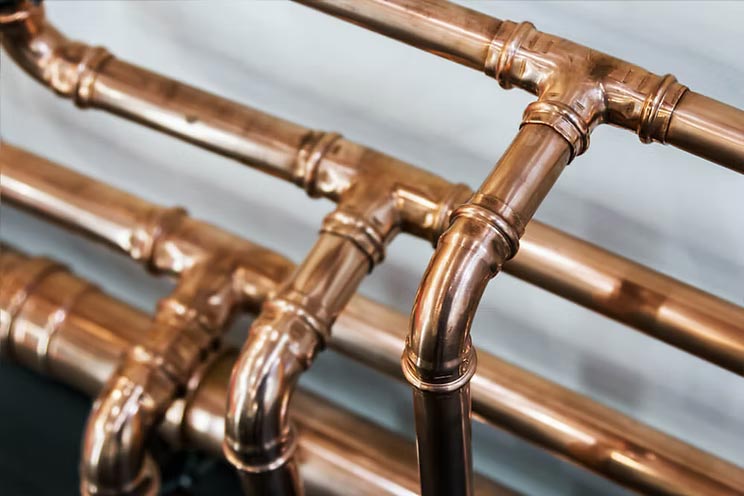
Copper Pipes
Copper has been used for decades and still holds a strong reputation.
Pros of Copper
-
Lifespan of 50–70+ years
-
Resistant to bacteria
-
Handles hot and cold water well
-
Increases home resale value
Cons of Copper
-
Expensive material and labor
-
Can corrode in acidic water
-
Rigid, making installation harder
Copper is ideal for homeowners who want longevity and don’t mind higher upfront costs.
PEX Pipes
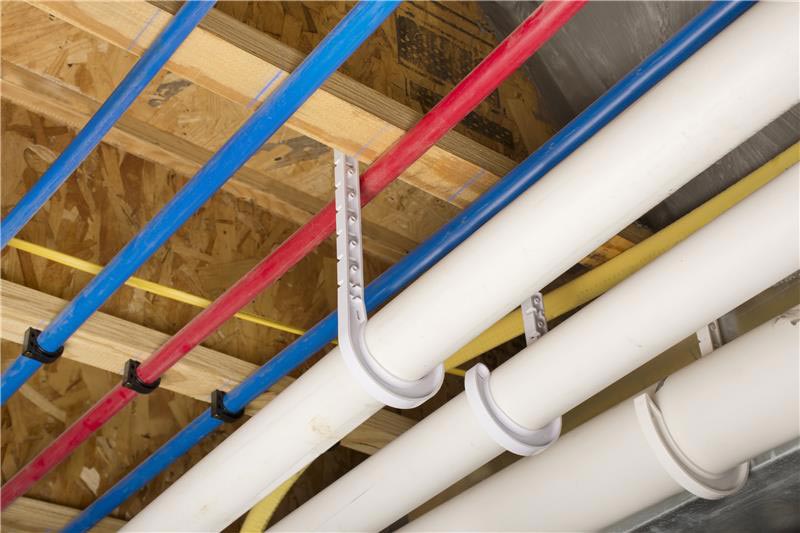
PEX (cross-linked polyethylene) has exploded in popularity—and for good reason.
Pros of PEX
-
Flexible and easy to install
-
Lower labor costs
-
Resistant to freezing
-
Quiet (less water hammer noise)
Cons of PEX
-
UV-sensitive (can’t be exposed to sunlight)
-
Shorter track record than copper
-
Not always accepted in older local codes
For many homeowners, PEX offers the best balance of cost, performance, and reliability.
CPVC Pipes
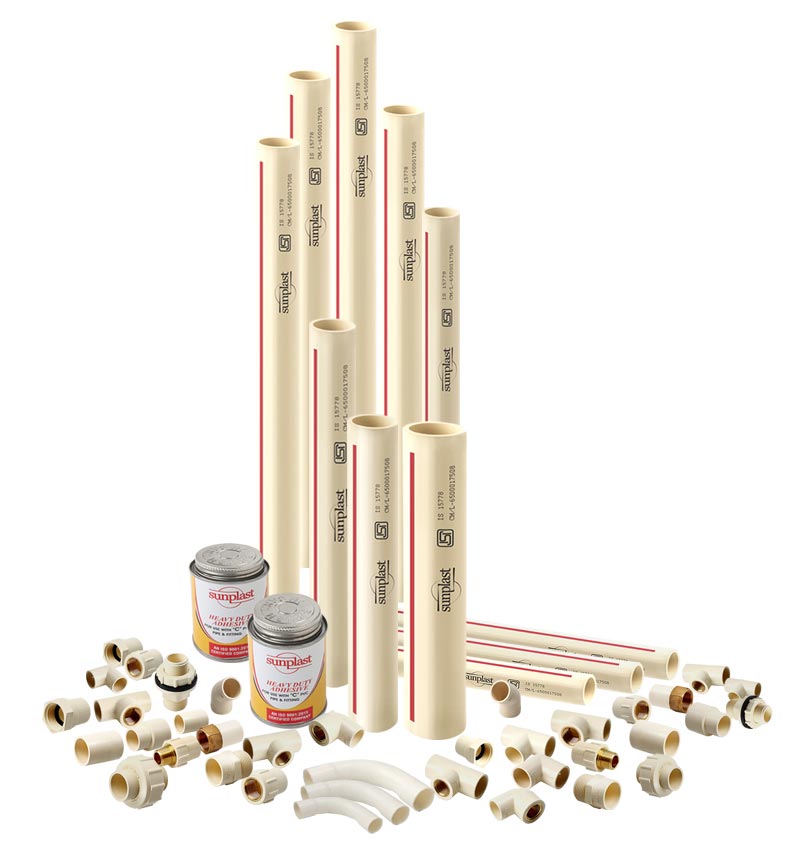
CPVC is a plastic-based alternative designed for hot and cold water.
Advantages:
-
Affordable
-
Corrosion-resistant
-
Easy to install
Drawbacks:
-
Brittle over time
-
Sensitive to temperature changes
-
Shorter lifespan than PEX or copper
CPVC works well in mild climates with stable water pressure.
PVC Pipes (Limited Use)
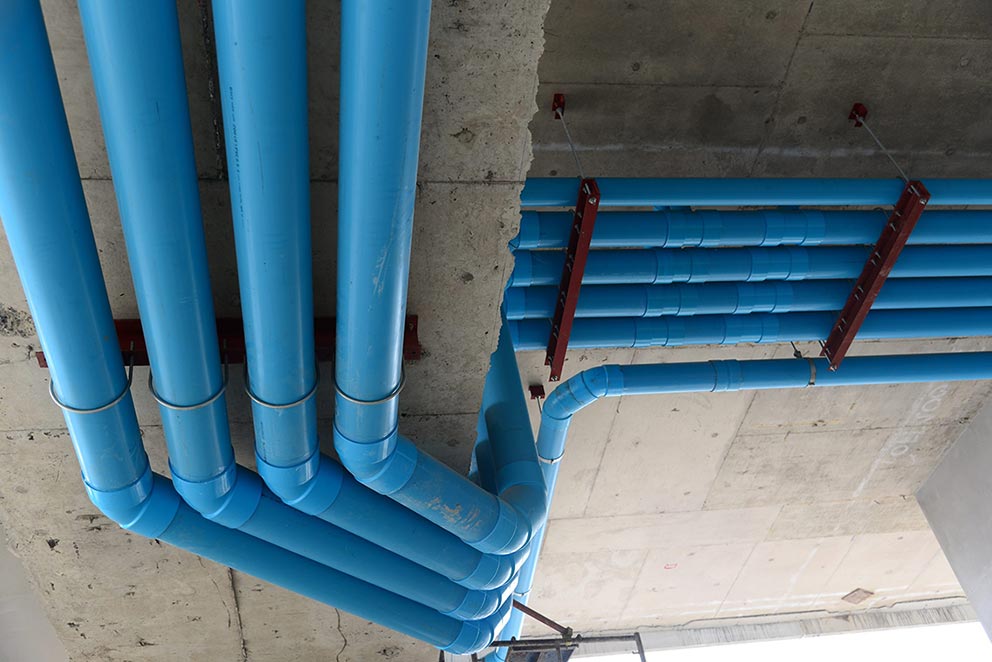
PVC is common—but not for full home repiping.
Best for:
-
Drainage
-
Vent lines
Limitations:
-
Not rated for hot water
-
Can warp under heat
PVC is rarely considered among the best pipe materials for home repiping unless used selectively.
Galvanized Steel Pipes
Once popular, now mostly obsolete.
Pros:
-
Very strong
-
Fire-resistant
Cons:
-
Corrodes internally
-
Restricts water flow
-
Lifespan often under 50 years
If your home still has galvanized pipes, repiping is strongly recommended.
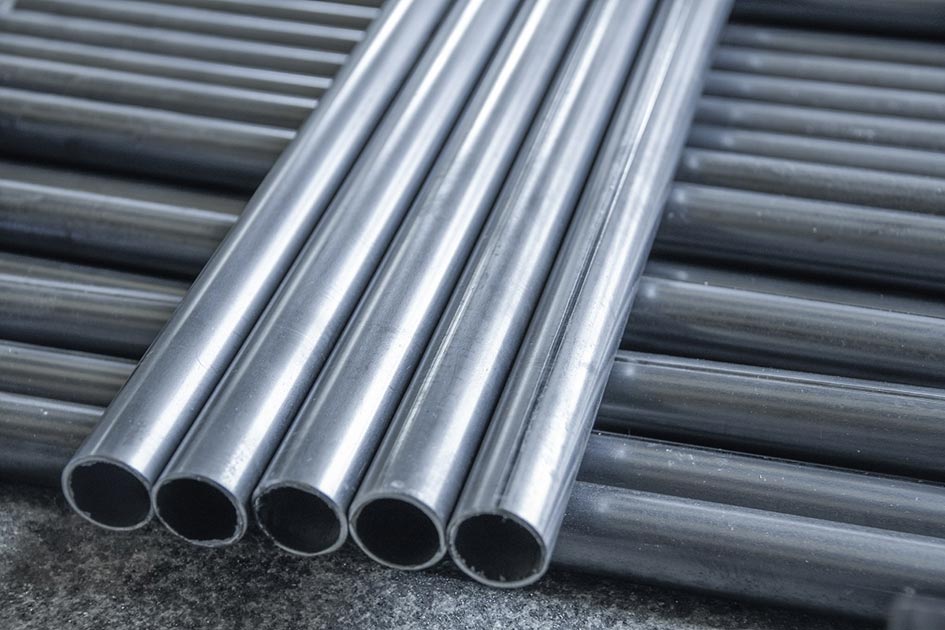
Stainless Steel Pipes
A premium option with niche applications.
Pros:
-
Extremely durable
-
Corrosion-resistant
-
Suitable for harsh environments
Cons:
-
Very expensive
-
Complex installation
Stainless steel is usually reserved for commercial or specialty residential projects.
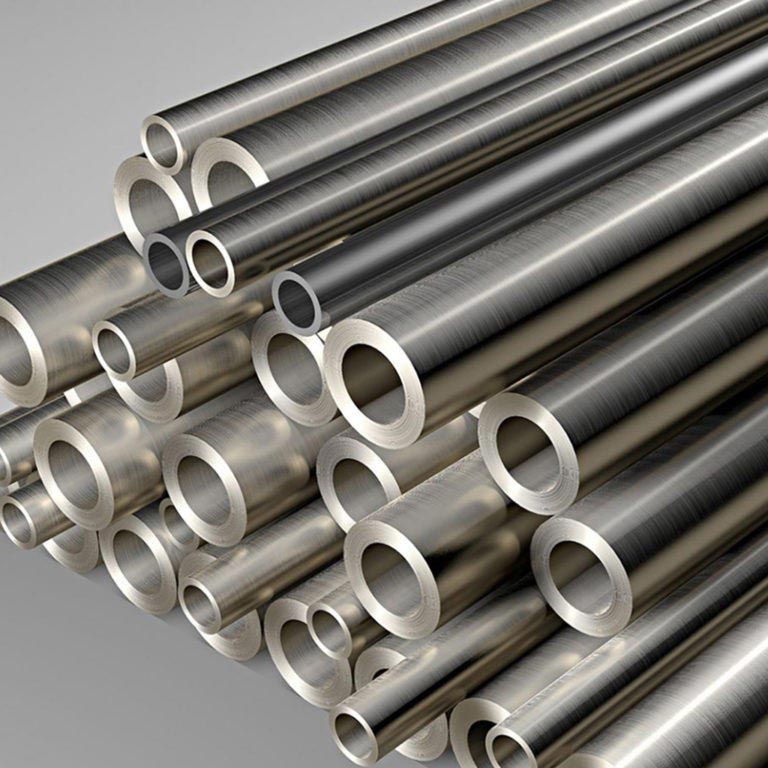
HDPE Pipes
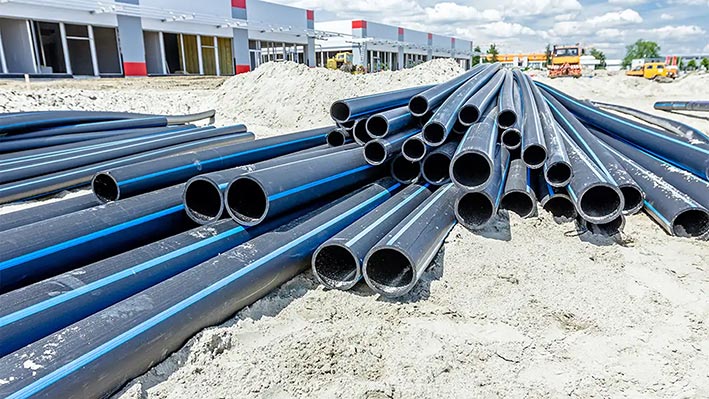
HDPE is flexible and commonly used for main water lines.
Pros:
-
Leak-resistant
-
Long lifespan
-
Handles ground movement well
Cons:
-
Rare for indoor plumbing
-
Specialized installation required
How to Choose the Best Pipe Material for Your Home
Selecting the best pipe materials for home repiping depends on more than trends. Let’s break it down.
Budget Considerations
-
Low budget: CPVC, PEX
-
Mid-range: PEX
-
High-end: Copper, stainless steel
PEX often wins due to reduced labor costs.
Water Quality and Climate
-
Acidic water? Avoid copper.
-
Cold climate? PEX resists freezing better.
-
Hard water? Plastic pipes reduce scaling.
Local Building Codes
Always check local regulations. Some municipalities restrict certain materials.
Longevity vs. Installation Cost
If you plan to stay long-term, longevity matters more. For rentals or flips, cost efficiency might win.
Conclusion
Choosing the best pipe materials for home repiping doesn’t have to be overwhelming. When you understand the pros, cons, and real-world performance of each option, the decision becomes clear. For most homeowners, PEX offers the strongest mix of value, durability, and efficiency. However, copper still shines for those prioritizing longevity and resale value.
At the end of the day, the right pipe material protects your water, your home, and your peace of mind—for decades to come.
For more ideas and guidance, follow us on Instagram.
Frequently Asked Questions (FAQs)
1. What is the best pipe material for home repiping overall?
PEX is often considered the best all-around option due to affordability, durability, and ease of installation.
2. Is copper better than PEX for repiping?
Copper lasts longer but costs more. PEX is flexible and budget-friendly, making it more popular today.
3. How long does home repiping last?
Depending on material, 30 to 70+ years.
4. Does repiping increase home value?
Yes. Updated plumbing is a major selling point.
5. Can I stay in my home during repiping?
Usually yes, though water may be shut off temporarily.
6. How long does a repiping project take?
Most homes take 2–5 days, depending on size and material.